

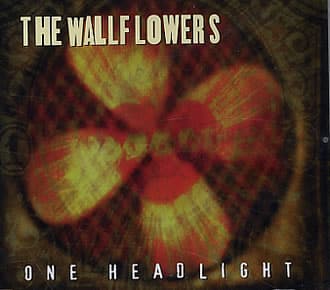
One Headlight by The Wallflowers reached number one on the US Billboard Mainstream Rock Tracks chart in 1997 and became the defining single from (Bringing Down the Horse), the album that established Jakob Dylan as a songwriter capable of building a commercial audience entirely on his own terms rather than his famous surname.
Written by Jakob Dylan and produced by T Bone Burnett, the song won two Grammy Awards in 1998 and remains the most immediately recognized recording in the Wallflowers catalog.
Affiliate Disclosure: As an Amazon Associate I earn from qualifying purchases. This helps support the site at no extra cost to you.
| Song | One Headlight |
| Artist | The Wallflowers |
| Album | (Bringing Down the Horse) (1996) |
| Written by | Jakob Dylan |
| Produced by | T Bone Burnett |
| Released | 1996 |
| Genre | Alternative Rock, Heartland Rock |
| Chart Peak | #1 US Mainstream Rock Tracks, #1 US Modern Rock Tracks |
Table of Contents
Background and History
The Wallflowers formed in Los Angeles in 1989, with Jakob Dylan as the primary songwriter and frontperson from the beginning.
The band released a self-titled debut on Virgin Records in 1992 that failed commercially, leading to their departure from the label and a period of rebuilding their approach to recording and performance.
They signed to Interscope Records and connected with producer T Bone Burnett, whose work with artists including Los Lobos and Elvis Costello had established him as a producer capable of making rootsy rock recordings sound substantial on radio.
The partnership between Jakob Dylan and Burnett proved productive in a way that the debut’s production had not been, and (Bringing Down the Horse) emerged as a focused, carefully constructed record that gave Dylan’s songwriting the presentation it required.
One Headlight was the track that best demonstrated what the new collaboration could achieve, combining Dylan’s elliptical lyrical style with a melodic directness that Burnett’s production made radio-accessible without flattening its character.
One Headlight and Jakob Dylan
Jakob Dylan wrote One Headlight with the deliberate intention of producing a song that could reach a mainstream rock audience while retaining the ambiguity and imagery that characterized his more personal writing.
The lyric uses the image of driving with a single working headlight as a central metaphor for persisting through loss and diminished circumstance, with the speaker addressing someone who has died and whose absence shapes the song’s emotional landscape.
Dylan has been reluctant to explain the lyric’s biographical sources in detail, and the song’s imagery is rich enough that listeners have brought different personal contexts to its central metaphor without losing the sense that the song addresses something real.
The shadow of Jakob’s father Bob Dylan made the younger Dylan’s critical reception inevitably comparative, and One Headlight‘s success demonstrated that Jakob could build a commercial audience through the quality of his own work rather than family association.
The Grammy nominations and wins recognized Jakob Dylan’s songwriting specifically, acknowledging that the quality of the material was the primary reason for the song’s commercial success.
One Headlight and the Recording Story
One Headlight opens with a guitar figure that establishes the song’s steady, unhurried momentum before Dylan’s vocal enters with the directness that distinguished his delivery from more theatrical rock singers of the period.
T Bone Burnett’s production gives the track a warm, slightly dusty quality that placed it in the heartland rock tradition while keeping it radio-competitive in the alternative formats that were dominating rock airplay in 1996 and 1997.
The rhythm section provides a locked-in foundation that the arrangement builds without becoming heavy, maintaining the song’s sense of forward movement through verse and chorus without resorting to the sonic escalation that post-grunge production often used to mark emotional peaks.
The production approach shared qualities with the rootsy alternative sound that Counting Crows had established earlier in the decade, placing accessible songwriting inside an arrangement that felt honest rather than processed.
Burnett’s restraint throughout the recording allowed Dylan’s melody and lyric to carry the song without needing production intervention to emphasize what was already clear in the composition.
One Headlight and the Charts
One Headlight reached number one on both the US Mainstream Rock Tracks and Modern Rock Tracks charts, a double chart-topping performance that reflected the song’s crossover appeal across the two main alternative radio formats of the period.
(Bringing Down the Horse) was certified four times platinum in the United States, a commercial achievement that exceeded what the band’s debut had suggested was possible and established the Wallflowers as a consistent commercial presence in rock radio.
The album’s sustained chart performance across 1996 and 1997 was driven by multiple singles, with One Headlight leading a commercial campaign that placed the Wallflowers alongside the decade’s most successful alternative acts.
The Grammy Awards for Best Rock Song and Best Rock Performance by a Duo or Group with Vocal recognized both the composition and the recording at the highest level of industry recognition available in the rock format.
Lasting Legacy of One Headlight
One Headlight is the Wallflowers recording most consistently cited in retrospective coverage of 1990s alternative rock and the song that established Jakob Dylan’s reputation as a serious songwriter capable of commercial success on his own terms.
Its double number one chart performance and Grammy recognition placed it among the decade’s most critically and commercially validated rock recordings, a position it has maintained in retrospective coverage of the era.
The song’s central metaphor, persisting through loss with diminished resources, gave it a durability that more period-specific alternative rock imagery could not match, allowing listeners to continue bringing their own contexts to the lyric decades after its release.
Jakob Dylan has continued leading versions of the Wallflowers and pursuing solo work, and One Headlight remains the centerpiece of his live sets as the recording most immediately associated with his commercial and critical peak.
More than thirty years after its release, One Headlight endures as the song that proved Jakob Dylan could write and record at the highest level of the format, and that T Bone Burnett’s production approach could translate rootsy songwriting into one of the most played rock singles of its year.
Watch the Official Video
Frequently Asked Questions
FAQ
- Who wrote One Headlight?
- Jakob Dylan wrote the song entirely himself. Dylan has been reluctant to explain the lyric’s biographical sources in detail, but the song addresses loss through the metaphor of driving with a single working headlight, with the speaker continuing forward in diminished circumstances after someone’s death. The Grammy for Best Rock Song recognized Dylan’s composition specifically as the primary reason for the recording’s success.
- Who produced One Headlight?
- T Bone Burnett produced the song and the (Bringing Down the Horse) album. Burnett’s production gave the recording a warm, rootsy quality that placed it in the heartland rock tradition while keeping it competitive in alternative radio formats, and his restraint throughout the arrangement allowed Dylan’s melody and lyric to carry the song without additional production emphasis.
- What album is One Headlight from?
- The song appears on (Bringing Down the Horse), The Wallflowers’ second studio album, released in 1996. The album was certified four times platinum in the United States and established the band as a consistent commercial presence in rock radio after their commercially unsuccessful debut.
- How many Grammys did One Headlight win?
- The song won two Grammy Awards at the 1998 ceremony: Best Rock Song, recognizing Jakob Dylan’s composition, and Best Rock Performance by a Duo or Group with Vocal, recognizing the recording itself. The double win placed the Wallflowers among the most critically recognized rock acts of that year.
- Is Jakob Dylan related to Bob Dylan?
- Jakob Dylan is the son of Bob Dylan, a fact that shaped his critical reception throughout his career. One Headlight’s commercial and critical success demonstrated that Jakob could build an audience through the quality of his own songwriting rather than family association, and the Grammy recognition specifically for his composition helped establish his independent reputation as a writer.
You Might Also Like
Written entirely by Jakob Dylan, produced by T Bone Burnett with a warm restraint that let the song’s melody and imagery carry themselves, and rewarded with two Grammy Awards for the quality of the composition and the recording, One Headlight stands as the song that proved The Wallflowers could reach the top of American rock radio on nothing but the strength of what they wrote and how they played it.