

Brass in Pocket by The Pretenders reached number one on the UK Singles Chart in January 1980 and remains one of the most confident debut singles in new wave history.
Written by lead singer Chrissie Hynde and guitarist James Honeyman-Scott, the track arrived with a cool, unhurried swagger that set The Pretenders apart from their punk and new wave contemporaries.
Affiliate Disclosure: As an Amazon Associate I earn from qualifying purchases. This helps support the site at no extra cost to you.
The song peaked at number fourteen on the Billboard Hot 100 in the United States and has endured as one of the defining rock singles of its era.
The Pretenders formed in London in 1978, built around Hynde, who had moved to England from Akron, Ohio in the early 1970s after spending time in Paris and failing to break through in the New York music scene.
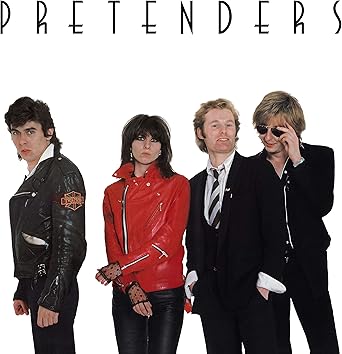
The band’s debut album, also titled Pretenders, was produced by Chris Thomas, who had previously worked with The Sex Pistols, Pink Floyd, and Roxy Music.
“Brass in Pocket” was released as a single in November 1979, ahead of the album, and reached the top of the UK charts before most listeners had heard anything else from the record.
| Detail | Info |
|---|---|
| Artist | The Pretenders |
| Song | Brass in Pocket |
| Year | 1979 / 1980 |
| Written by | Chrissie Hynde, James Honeyman-Scott |
| Produced by | Chris Thomas |
| Lead Vocals | Chrissie Hynde |
| Album | Pretenders |
| Peak Chart Position | #1 UK / #14 Billboard Hot 100 |
| Genre | New Wave, Rock |
Table of Contents
What Is “Brass in Pocket” About?
The song is written from the perspective of someone who knows they are compelling and intends to use it.
The central figure is walking into a situation — a room, a bar, an encounter — fully aware of her effect and completely at ease with that awareness.
The lyrics catalogue attributes — pretension, imagination, finesse — not as boasts but as inventory, the tools of someone preparing to act.
Hynde has described the song as being about a focused personal charisma: the decision to be present and compelling rather than passive and overlooked.
The tone is playful but precise — the singer knows what she wants and believes she is going to get it.
Where the Title Came From
The phrase “brass in pocket” is British regional slang, common in the North of England, where “brass” means money.
Hynde has said she overheard the expression in a pub and found it striking enough to build a song around.
The phrase carries a second layer of meaning: to have brass in pocket is not just to have money but to have the confidence that comes with it.
That doubling — material and psychological — suited exactly the tone Hynde wanted to establish for the track.
Writing the Song
Hynde wrote the lyric and melody, and Honeyman-Scott shaped the musical arrangement around her ideas.
His guitar work on “Brass in Pocket” is understated and precise — a chiming, rhythmically confident style that left space for Hynde’s vocal without competing with it.
Hynde has spoken about initial doubts over whether the song was too commercial for a band that had emerged from the punk scene, but Honeyman-Scott and the rest of the band pushed for its release.
She has also said the directness of the lyric made it feel more exposed to record than it sounds in the finished version — the confidence was entirely her own, and that made it vulnerable in a way the swagger conceals.
Chris Thomas Produces the Record
Chris Thomas produced both the “Brass in Pocket” single and the debut album Pretenders, bringing a clean, controlled aesthetic that suited the band’s tightly wound energy.
Thomas had built his reputation on records that balanced rawness with precision — his work on Never Mind the Bollocks with The Sex Pistols demonstrated an understanding of controlled aggression that served The Pretenders equally well.
The production on “Brass in Pocket” is notably warm and unhurried, a deliberate contrast to the frenetic pace of most punk-adjacent records of the period.
The result is a recording that sounds confident rather than urgent, which mirrors the central attitude of the song perfectly.
Chart Performance
“Brass in Pocket” entered the UK Singles Chart upon its release in November 1979 and climbed steadily through the winter.
It reached number one in January 1980, staying at the top for two weeks and becoming The Pretenders’ first major commercial breakthrough.
In the United States, the track peaked at number fourteen on the Billboard Hot 100 — strong for a UK new wave act at that stage of the American market’s engagement with British post-punk.
The success of the single helped push the debut album Pretenders to number one on the UK Albums Chart upon its release in January 1980.
The Music Video
The music video for “Brass in Pocket” was directed by Derek Burbidge and set in an American diner.
Hynde plays a waitress who is entirely at ease being the centre of attention — warm, slightly teasing, and in complete control of every interaction she chooses to have.
The video captured the character of the lyric faithfully: someone aware of their effect and comfortable enough in it to be generous rather than cold.
It received significant airplay on early MTV and became one of the most recognisable images associated with the band in their first years.
The Legacy of James Honeyman-Scott
James Honeyman-Scott, who co-wrote “Brass in Pocket” and played lead guitar on the record, died on June 16, 1982, from heart failure following acute cocaine intoxication.
He was twenty-five years old.
Honeyman-Scott’s guitar style — melodic, economical, and rhythmically inventive — was central to the sound The Pretenders developed on their debut album and the sessions immediately following it.
His contribution to “Brass in Pocket” in particular reflects an instinct for arrangement that complemented Hynde’s writing in ways that would be difficult to replicate.
The song stands in part as a document of what he brought to the band during their defining period.
Critical Reception and Legacy
“Brass in Pocket” was praised on release for its originality and for Hynde’s vocal, which critics described as self-possessed in a way that felt genuinely new in British rock.
In the years since, it has appeared on numerous greatest-songs-of-the-era lists and remains a fixture on classic rock and new wave radio formats worldwide.
Rolling Stone has cited it as one of the finest singles to emerge from the post-punk period, and VH1 included it in their 100 Greatest Songs of the 80s.
The track is frequently credited as one of the records that established the template for female-fronted rock in the decade that followed.
Why “Brass in Pocket” Still Matters
More than four decades after its release, “Brass in Pocket” endures because its central quality — grounded, unforced confidence — remains genuinely rare in pop music.
The song does not shout or plead; it states its case with the quiet assumption that it will be heard.
Hynde’s vocal, Honeyman-Scott’s guitar work, and Thomas’s production came together to produce a record that has never needed recontextualising.
“Brass in Pocket” arrived fully formed, and it has stayed that way.
Frequently Asked Questions
Who wrote “Brass in Pocket”?
Chrissie Hynde and James Honeyman-Scott wrote the song. Hynde wrote the lyric and melody, with Honeyman-Scott shaping the musical arrangement.
Did “Brass in Pocket” reach number one?
Yes. The track reached number one on the UK Singles Chart in January 1980 and peaked at number fourteen on the Billboard Hot 100 in the United States.
What does “brass in pocket” mean?
In British regional slang, “brass” means money. To have brass in pocket implies having both funds and the confidence that comes with them. Hynde overheard the phrase in a pub in the North of England.
Who produced “Brass in Pocket”?
Chris Thomas produced the single and the debut album Pretenders.
What album is “Brass in Pocket” on?
It appears on Pretenders, the band’s debut album, released in January 1980.
You Might Also Like

More than four decades on, Brass in Pocket by The Pretenders holds its place as one of the most effortlessly compelling singles of the new wave era — a record whose cool assurance has never gone out of style.