

The Peter Green Fleetwood Mac debut album from 1968 stands as one of the most important British blues recordings ever made, capturing a moment when four extraordinary musicians channeled the raw power of Chicago blues through a distinctly British lens.
This self-titled release introduced the world to a band that would undergo countless transformations, but never again would they sound quite as hungry, as authentic, or as deeply connected to the blues tradition as they did on this remarkable first statement.
Before the pop sensibilities and California sunshine that would define Fleetwood Mac 1975 Album, there was this gritty, passionate collection of blues standards and originals.
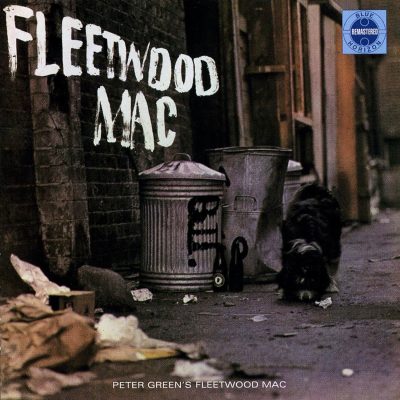
Peter Green Fleetwood Mac – Available on Amazon
Get Fleetwood Mac Debut Album 1968 on Vinyl or CD at Amazon
Affiliate Disclosure: I am an Amazon affiliate and if you purchase through any Amazon links on this site I may earn a small commission at no extra charge to you. This helps support classicrockartists.com. Thank you for your support!
Table of Contents (Click to Expand)
Overview of Peter Green Fleetwood Mac
Released in February 1968 on Blue Horizon Records, the Peter Green Fleetwood Mac debut album arrived at a pivotal moment in British rock history.
The British blues boom was in full swing, with bands like Cream, The Yardbirds, and John Mayall’s Bluesbreakers reinterpreting American blues for a new generation.
Peter Green had already established himself as Eric Clapton’s replacement in the Bluesbreakers, earning the respect of blues purists and rock fans alike.
When Green decided to form his own band, he recruited drummer Mick Fleetwood from the Bluesbreakers, bassist Bob Brunning initially, and slide guitarist Jeremy Spencer.
The lineup that recorded most of this album featured John McVie on bass, who replaced Brunning shortly after the band’s formation.
The chemistry between these musicians was immediately apparent, creating a sound that was both respectful of blues traditions and distinctly original.
Green’s guitar tone was already legendary, characterized by a warm, singing quality that could convey both tenderness and ferocity.
His playing on this album showcases a maturity beyond his years, with phrasing that honored B.B. King while establishing his own voice.
Jeremy Spencer brought a different flavor to the proceedings, specializing in the slide guitar style of Elmore James.
The contrast between Green’s fluid, melodic approach and Spencer’s raw, aggressive slide work gave the band a unique dual-guitar identity.
Mick Fleetwood’s drumming provided a solid, swinging foundation that never overplayed but always drove the music forward.
John McVie’s bass work was economical and precise, locking in with Fleetwood to create one of rock’s most enduring rhythm sections.
The album’s material split between blues covers and original compositions, demonstrating the band’s deep knowledge of the tradition and their creative ambitions.
Unlike many British blues bands that simply copied their American heroes, Fleetwood Mac brought genuine feeling and interpretation to every track.
The production was deliberately sparse, capturing the band’s live energy without studio trickery or excessive overdubs.
This approach gave the album an immediacy and authenticity that still resonates decades later.
Recording History and Production
The Peter Green Fleetwood Mac debut was recorded at CBS Studios in London during late 1967 and early 1968.
Producer Mike Vernon, who had worked extensively with British blues artists, understood exactly what the band was trying to achieve.
Vernon’s production philosophy emphasized capturing honest performances over technical perfection, allowing the band’s raw energy to shine through.
The sessions were reportedly quick and efficient, with many tracks recorded in just a few takes.
This spontaneity contributed to the album’s live feel, as if the listener had stumbled into a small club performance.
Peter Green’s guitar sound was achieved using his famous 1959 Gibson Les Paul, which would later become one of the most sought-after instruments in rock history.
The guitar’s distinctive tone, partly due to a reversed pickup, gave Green’s playing its characteristic warmth and sustain.
Jeremy Spencer played a variety of guitars, including a Fender Stratocaster for his slide work, channeling the spirit of Elmore James.
The rhythm section was recorded with minimal separation, allowing Fleetwood and McVie to interact naturally as they would on stage.
Vernon used simple microphone placement and minimal effects, trusting the musicians’ abilities to create the right sound.
According to historical documentation, the album was recorded on a tight budget, which actually worked in its favor by preventing overproduction.
The band had already built a strong live following in London’s club scene before entering the studio.
This experience performing together gave them a cohesion that many debut albums lack.
The selection of material reflected both the band’s influences and their desire to showcase original songwriting.
Green contributed several originals that would become blues standards in their own right.
The covers were chosen not just for their popularity but for how well they suited the band’s particular strengths.
Vernon’s engineering captured the dynamics of the performances, from whisper-quiet passages to full-throttle blues-rock explosions.
The album was mixed to emphasize the interplay between the two guitarists, giving each space to shine.
Blue Horizon Records, an independent label specializing in blues, provided the perfect home for this authentic blues recording.
The label’s commitment to quality over commercial compromise allowed the band to make the album they wanted.
Track-by-Track Highlights of Peter Green Fleetwood Mac
The album opens with “My Heart Beat Like a Hammer,” an Elmore James cover that immediately establishes the band’s credentials.
Jeremy Spencer’s slide guitar screams and wails, channeling James’s spirit while the rhythm section locks into a hypnotic groove.
This track serves notice that Fleetwood Mac understood the blues from the inside out, not as tourists but as devoted students.
“Merry Go Round” showcases Peter Green’s songwriting abilities with a mid-tempo blues that features his expressive vocal delivery.
The guitar work here is restrained and melodic, demonstrating that Green didn’t need to show off to make an impact.
His solo builds gradually, each note carefully chosen for maximum emotional effect.
“Long Grey Mare” picks up the tempo with another Spencer-led track that captures the raw energy of Chicago blues.
The interplay between the two guitarists becomes more apparent here, with Green providing rhythm support while Spencer takes the lead.
“Hellhound on My Trail” tackles the Robert Johnson classic with appropriate reverence and intensity.
Green’s interpretation respects the original while bringing his own perspective to this tale of supernatural pursuit.
The arrangement is sparse, allowing the lyrics and melody to carry the weight of the song’s dark themes.
“Shake Your Moneymaker” is an Elmore James number that became one of the band’s signature live tracks.
Spencer’s vocal delivery is raw and committed, while his slide guitar work is nothing short of incendiary.
The rhythm section drives relentlessly, creating an irresistible groove that makes it impossible to sit still.
“Looking for Somebody” is a Green original that demonstrates his gift for crafting memorable blues melodies.
The song’s structure is traditional, but Green’s guitar tone and phrasing elevate it beyond standard blues-rock fare.
His solo here is a masterclass in economy, proving that less can indeed be more.
“No Place to Go” slows things down with a brooding blues that showcases Green’s vocal vulnerability.
The guitar work is understated, creating space for the emotional weight of the lyrics to land.
This track hints at the more introspective direction Green would take the band in subsequent releases.
“My Baby’s Good to Me” returns to uptempo territory with a swinging blues that features excellent ensemble playing.
The interaction between all four musicians is particularly strong here, each contributing to the overall groove.
“I Loved Another Woman” is a slow blues that gives Green room to stretch out on guitar.
His playing here is deeply emotional, with bent notes that seem to cry out in pain and longing.
The song builds to a powerful climax, with Green’s guitar reaching heights of passionate expression.
“Cold Black Night” closes the original album with another Green composition that balances tradition and innovation.
The arrangement is tight and focused, with no wasted notes or unnecessary embellishments.
It’s a fitting conclusion to an album that established Fleetwood Mac as serious contenders in the British blues scene.
Chart Performance of Peter Green Fleetwood Mac
The Peter Green Fleetwood Mac debut album achieved respectable commercial success in the UK, reaching number four on the album charts.
This was an impressive achievement for a blues album from an unknown band on an independent label.
The album’s success was driven partly by the band’s relentless touring schedule and growing reputation as a live act.
In the United States, the album received limited distribution initially, as American audiences were less familiar with British blues interpretations.
However, it found an audience among blues purists and college radio listeners who appreciated its authenticity.
The single “Black Magic Woman,” though not on the original UK release, became associated with this era of the band.
That track would later become a massive hit for Santana, introducing Peter Green’s songwriting to a wider audience.
The album’s chart performance helped establish Fleetwood Mac as more than just another British blues band.
Critics praised the album for its authenticity and the quality of the musicianship on display.
Reviews highlighted Peter Green’s guitar playing as something special, comparing him favorably to Eric Clapton and Jeff Beck.
The album remained on the UK charts for several months, benefiting from strong word-of-mouth recommendations.
Blue Horizon Records was thrilled with the commercial response, which validated their investment in the band.
The success of this debut gave the band leverage to continue recording and touring on their own terms.
Sales were particularly strong in London and other urban centers where the blues scene was thriving.
The album’s performance proved that there was a substantial audience for authentic blues-rock in Britain.
This commercial validation allowed the band to focus on their music rather than compromising for mainstream appeal.
The album continued to sell steadily over the years, becoming a catalog staple for blues-rock fans.
Legacy and Cultural Impact
The Peter Green Fleetwood Mac debut album stands as a landmark in British blues history, influencing countless musicians who followed.
Peter Green’s guitar playing on this record set a standard for tone and taste that guitarists still study today.
His approach demonstrated that blues-rock didn’t have to be about speed or technical showmanship but could focus on emotion and melody.
The album proved that British musicians could interpret American blues with authenticity and respect rather than mere imitation.
Many of the original compositions from this album, particularly those by Green, have become blues standards covered by numerous artists.
The band’s dual-guitar approach influenced later acts, showing how contrasting styles could complement each other.
This lineup of Fleetwood Mac, though short-lived, created a template for blues-rock that remains relevant.
The album’s influence can be heard in the work of later British blues revivalists and American blues-rock bands alike.
Peter Green’s Les Paul guitar, heard throughout this album, became one of the most famous instruments in rock history.
The guitar was later owned by Gary Moore, who paid tribute to Green’s legacy through his own blues recordings.
The rhythm section of Fleetwood and McVie, established on this album, would remain the band’s constant through all its transformations.
Their partnership, forged in these blues sessions, would later anchor the completely different sound of Rumours by Fleetwood Mac.
The album’s stripped-down production aesthetic influenced the back-to-basics movement in rock during the late 1960s and early 1970s.
Musicians appreciated how the album captured the essence of a live performance without studio artifice.
The success of this debut allowed Fleetwood Mac to continue evolving, eventually leading to their transformation into a pop-rock powerhouse.
However, many fans and critics consider this blues era to be the band’s most artistically pure period.
The contrast between this album and later releases like Fleetwood Mac Tusk Album demonstrates the band’s remarkable versatility.
Peter Green’s departure from the band in 1970 marked the end of this blues-focused era, but his influence never faded.
Subsequent members of the band, including those featured on Fleetwood Mac Mirage Album, acknowledged the foundation Green had laid.
The album has been reissued numerous times, each generation discovering its timeless appeal.
Modern blues-rock bands cite this album as a primary influence, particularly Green’s guitar work and songwriting.
The album’s legacy extends beyond music, representing a moment when young British musicians connected deeply with African American musical traditions.
Documentary footage and live recordings from this era, including performances available online, show the band’s incredible energy and commitment.
Peter Green’s later struggles with mental health have added a poignant dimension to this album’s legacy.
Listening to his playing here, full of hope and creative fire, makes his subsequent difficulties all the more tragic.
The album stands as a testament to what Green achieved at the peak of his powers, before personal demons derailed his career.
Listener’s Note
When I first heard this album, I was struck by how different it sounded from the Fleetwood Mac I thought I knew.
Growing up with “Dreams” and “Go Your Own Way,” I had no idea the band had such deep blues roots.
Peter Green’s guitar tone immediately grabbed my attention with its warmth and expressiveness.
There’s something about his playing that feels more vocal than instrumental, as if the guitar is literally singing.
I found myself returning to “Looking for Somebody” repeatedly, captivated by the simplicity and emotional depth of Green’s solo.
The contrast between Green’s fluid style and Jeremy Spencer’s aggressive slide work creates a dynamic tension throughout the album.
What impressed me most was how the band never sounds like they’re trying too hard to prove themselves.
There’s a confidence and maturity to these performances that belies the fact this was a debut album.
The rhythm section’s restraint is particularly noteworthy in an era when many drummers and bassists overplayed.
Mick Fleetwood and John McVie understood that serving the song was more important than showing off their chops.
Listening to this album in the context of the band’s later work, as documented by various Members of Fleetwood Mac, reveals an incredible journey.
I appreciate how the album doesn’t sound dated despite being over fifty years old.
Good blues is timeless, and this album proves that point emphatically.
The production choices, which might have seemed sparse at the time, now sound refreshingly direct and honest.
I can hear every instrument clearly, and the lack of studio trickery allows the performances to speak for themselves.
This album taught me that Fleetwood Mac’s story is far richer and more complex than I had imagined.
It’s a reminder that great bands often have multiple chapters, each with its own distinct character and value.
For anyone who only knows the band’s later pop-rock incarnation, this album is an essential and revelatory listen.
Affiliate Disclosure: I am an Amazon affiliate and if you purchase through any Amazon links on this site I may earn a small commission at no extra charge to you. This helps support classicrockartists.com and allows me to keep providing deep-dive content on the legends of rock. Thank you for your support!
Collector’s Corner
The Peter Green Fleetwood Mac debut album has been issued in numerous formats over the decades, making it a fascinating area for collectors.
The original UK pressing on Blue Horizon Records is highly sought after, particularly copies in excellent condition with the original inner sleeve.
First pressings can be identified by specific matrix numbers and the Blue Horizon label design.
American pressings appeared on various labels over the years, including Epic and Reprise, each with slightly different track listings.
The album has been remastered several times, with the most comprehensive reissues including bonus tracks and alternate takes.
Vinyl reissues from the 1970s and 1980s vary in quality, with some suffering from poor mastering or pressing defects.
The CD era brought new life to the album, with remastered editions that revealed details obscured in earlier pressings.
Modern vinyl reissues, particularly those from audiophile labels, offer excellent sound quality for contemporary listeners.
Collectors should be aware that some reissues include tracks not on the original album, which can be confusing.
The album’s cover art, featuring a simple band photo, has remained consistent across most reissues.
For those looking to experience this classic album, Amazon offers various formats including vinyl, CD, and digital downloads.
The vinyl experience is particularly rewarding for this album, as the warmth of analog playback complements the blues aesthetic.
Serious collectors might seek out the Japanese pressings, which are known for their superior sound quality and packaging.
Box sets covering the Peter Green era of Fleetwood Mac often include this album along with comprehensive liner notes and rare photos.
The album’s value as a collectible has increased over the years as Peter Green’s reputation has grown.
Whether you’re a serious collector or a casual fan, owning a copy of this album is essential for understanding Fleetwood Mac’s complete story.
FAQ About Peter Green Fleetwood Mac
Who played on the Peter Green Fleetwood Mac debut album?
The album features Peter Green on guitar and vocals, Jeremy Spencer on guitar and vocals, John McVie on bass, and Mick Fleetwood on drums.
This lineup represented the classic early blues era of Fleetwood Mac before the band’s later transformations.
Bob Brunning played bass on a few early tracks before McVie joined permanently.
How does this album differ from later Fleetwood Mac releases?
This debut is pure blues-rock, completely different from the pop-rock sound the band would develop in the 1970s.
The later incarnation of the band, featured on albums like Fleetwood Mac Tango in the Night, emphasized polished production and pop songwriting.
The Peter Green era focused on instrumental prowess and blues authenticity rather than commercial appeal.
Only Mick Fleetwood and John McVie appear on both this album and the band’s later pop-rock releases.
What happened to Peter Green after this album?
Peter Green continued with Fleetwood Mac through 1970, creating several more acclaimed blues-rock albums.
He left the band due to mental health struggles, possibly exacerbated by drug use, and spent years away from music.
Green made occasional comebacks over the decades, but never regained his early creative peak.
He passed away in 2020, leaving behind a legacy as one of the greatest blues guitarists Britain ever produced.
His influence on guitar playing and blues-rock remains profound, as detailed in comprehensive biographical accounts.
Is this album worth listening to for fans of the later Fleetwood Mac?
Absolutely, though it requires an open mind and appreciation for blues music.
Fans of the band’s later work will gain a deeper understanding of the band’s history and versatility.
The album showcases the foundation that Fleetwood and McVie built, which would support all future incarnations of the band.
It’s a completely different musical experience but equally rewarding in its own way.
Understanding this era enriches the appreciation of later albums like Fleetwood Mac The Dance Album, which reunited various band members.
You Might Also Like
Fleetwood Mac 1975 Album
Explore the album that introduced Lindsey Buckingham and Stevie Nicks, transforming Fleetwood Mac into pop-rock superstars.
Fleetwood Mac Greatest Hits Songs
A comprehensive guide to the essential tracks spanning all eras of Fleetwood Mac’s remarkable career.
Rumours by Fleetwood Mac
Deep dive into one of the best-selling albums of all time, created during the band’s most turbulent period.
The Peter Green Fleetwood Mac debut album remains an essential document of British blues at its finest, capturing a moment of pure creative inspiration that would launch one of rock’s most enduring bands.