

The Buckingham Nicks Album stands as one of rock music’s most fascinating what-if stories, a 1973 release that captured two future superstars before they changed the face of popular music forever.
Released on Polydor Records in September 1973, this self-titled debut showcased the raw chemistry between guitarist Lindsey Buckingham and vocalist Stevie Nicks.
The album failed commercially upon release, selling fewer than 10,000 copies and leading to the duo being dropped from their label.
Yet this commercial failure would ultimately lead both artists to join Fleetwood Mac, where they would achieve unprecedented success.
The Buckingham Nicks Album represents a crucial bridge between the folk-rock sounds of the early 1970s and the polished California rock that would dominate the latter half of the decade.
Produced by Keith Olsen at Sound City Studios in Van Nuys, California, the record captured a moment when both artists were hungry, ambitious, and willing to take creative risks.
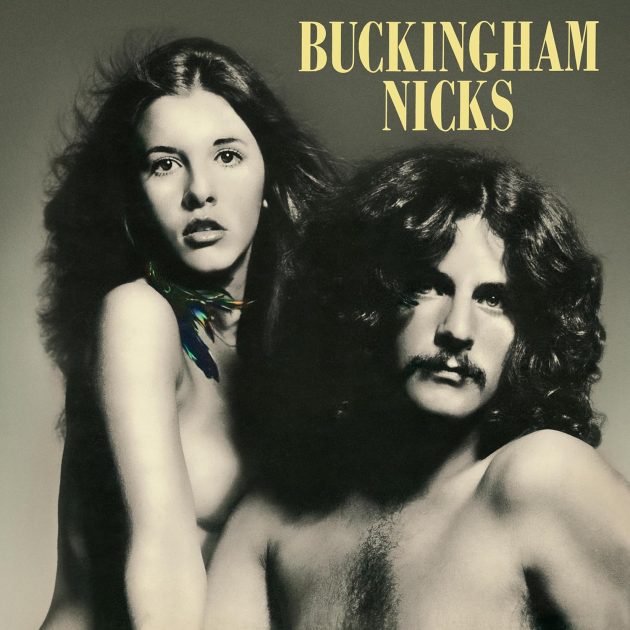
buckingham nicks album – Available on Amazon
Get Buckingham Nicks Album on Vinyl or CD at Amazon
Affiliate Disclosure: I am an Amazon affiliate and if you purchase through any Amazon links on this site I may earn a small commission at no extra charge to you. This helps support classicrockartists.com. Thank you for your support!
Table of Contents (Click to Expand)
Overview of Buckingham Nicks Album
The Buckingham Nicks Album emerged from a partnership that began in the late 1960s when both artists were part of the San Francisco Bay Area music scene.
Lindsey Buckingham had been playing in a band called Fritz, where Stevie Nicks served as one of the vocalists.
When Fritz disbanded in 1971, Buckingham and Nicks decided to continue working together as a duo.
They moved to Los Angeles with dreams of making it in the music industry.
The album showcases ten original compositions that blend folk, rock, and country influences with a distinctly California sound.
Buckingham’s intricate guitar work and production sensibilities are evident throughout, foreshadowing the meticulous approach he would later bring to Fleetwood Mac 1975 Album.
Nicks’ vocals range from delicate and ethereal to powerful and commanding, displaying the versatility that would make her one of rock’s most distinctive voices.
The album’s production quality was exceptional for a debut release, thanks to Keith Olsen’s expertise and the state-of-the-art facilities at Sound City Studios.
The record features contributions from several notable session musicians, including Waddy Wachtel on guitar and Jim Keltner on drums.
The album cover became iconic in its own right, featuring a nude photograph of the duo that was considered provocative for its time.
This bold visual statement reflected the artistic fearlessness that characterized the entire project.
The musical chemistry between Buckingham and Nicks was undeniable, with their romantic relationship adding emotional depth to the performances.
Recording History and Production
The recording sessions for the Buckingham Nicks album took place primarily at Sound City Studios in 1972 and early 1973.
Sound City had already established itself as one of Los Angeles’ premier recording facilities, known for its warm, analog sound.
Producer Keith Olsen had been working as an engineer and producer at the studio and saw enormous potential in the duo.
Olsen’s production approach emphasized clarity and space, allowing both Buckingham’s guitar work and Nicks’ vocals to shine without overwhelming each other.
The sessions were relatively quick by today’s standards, with most basic tracks completed in a matter of weeks.
Buckingham served as the primary arranger, crafting intricate guitar parts that showcased his technical proficiency and melodic sensibility.
According to Wikipedia, the album was recorded on a limited budget, which forced the team to work efficiently and make creative decisions quickly.
Despite financial constraints, the production quality rivaled that of major label releases with much larger budgets.
Nicks wrote or co-wrote most of the album’s material, drawing from personal experiences and relationships.
Her songwriting already displayed the mystical, poetic quality that would become her trademark.
Buckingham contributed several compositions as well, including instrumental passages that highlighted his virtuosity.
The duo worked closely with session musicians who understood their vision and could execute complex arrangements.
Waddy Wachtel, who would later become a sought-after session guitarist, added texture and depth to several tracks.
The rhythm section provided solid foundations while allowing room for Buckingham’s guitar explorations.
Olsen’s engineering captured the warmth of analog tape while maintaining definition across all frequency ranges.
The mixing process emphasized the interplay between acoustic and electric instruments, creating a rich sonic tapestry.
Polydor Records signed the duo based on demo recordings and the strength of their live performances.
The label had high hopes for the album but provided limited promotional support.
The controversial album cover was shot by photographer Herbert W. Worthington III and became a point of discussion.
Some radio stations refused to display the album due to the nude imagery, which may have hindered its commercial prospects.
Track-by-Track Highlights of Buckingham Nicks Album
The Buckingham Nicks album opens with “Crying in the Night,” a haunting ballad that immediately establishes Nicks’ emotional vocal delivery.
The song features delicate acoustic guitar work from Buckingham and showcases the duo’s ability to create intimate, emotionally resonant music.
“Stephanie” follows, a Buckingham composition that demonstrates his fingerpicking technique and melodic sophistication.
The track builds gradually, adding layers of instrumentation while maintaining a folk-rock foundation.
“Without a Leg to Stand On” injects energy into the album with its driving rhythm and electric guitar riffs.
This track hints at the harder-edged rock sound that Buckingham would explore more fully in later projects like Fleetwood Mac Tusk Album.
“Crystal” stands as one of the album’s most significant tracks, as it would later be re-recorded for Fleetwood Mac’s 1975 breakthrough album.
The original version features a more stripped-down arrangement that emphasizes Nicks’ mystical lyrics and Buckingham’s acoustic guitar.
The song’s imagery of crystal visions and spiritual seeking would become recurring themes in Nicks’ songwriting.
“Long Distance Winner” showcases the duo’s ability to craft radio-friendly rock with memorable hooks and strong melodies.
Buckingham’s guitar solo on this track displays his technical prowess and melodic sensibility.
“Don’t Let Me Down Again” became a minor regional hit in some markets, receiving airplay on progressive rock stations.
The song’s arrangement builds from a gentle verse to a powerful chorus, demonstrating the duo’s dynamic range.
“Django” serves as an instrumental showcase for Buckingham’s guitar virtuosity, paying homage to jazz guitarist Django Reinhardt.
The track reveals Buckingham’s diverse musical influences and his ability to incorporate jazz elements into rock contexts.
“Races Are Run” features some of Nicks’ most poetic lyrics on the album, exploring themes of time, change, and personal growth.
The production on this track creates an atmospheric quality that would become a hallmark of Nicks’ solo work.
“Lola (My Love)” closes the album with an upbeat, country-tinged rocker that showcases the duo’s versatility.
The song features harmony vocals and a driving rhythm that leaves listeners on an energetic note.
Throughout the album, the interplay between Buckingham’s guitar work and Nicks’ vocals creates a cohesive sound that was uniquely their own.
Chart Performance of Buckingham Nicks Album
The commercial performance of the Buckingham Nicks album was disappointing, failing to chart on the Billboard 200 upon its initial release.
Sales figures were estimated at fewer than 10,000 copies during its first year of availability.
Polydor Records provided minimal promotional support, and the album received limited radio airplay outside of a few progressive rock stations.
The controversial album cover may have contributed to the lack of mainstream exposure, as some retailers refused to stock it prominently.
Regional success was slightly better in California, where the duo had built a small following through live performances.
Some FM rock stations in Los Angeles and San Francisco gave tracks like “Don’t Let Me Down Again” moderate rotation.
The album’s failure led Polydor to drop Buckingham Nicks from their roster in 1974.
This commercial disappointment left both artists financially struggling and uncertain about their musical futures.
They continued performing as a duo in small venues around Los Angeles, hoping for another opportunity.
The album did receive some positive critical notices, with reviewers praising the duo’s musicianship and Nicks’ distinctive voice.
However, positive reviews did not translate into sales or significant industry attention at the time.
The lack of commercial success proved to be a blessing in disguise, as it made both artists available when Mick Fleetwood came calling in 1974.
After Buckingham and Nicks joined Fleetwood Mac and achieved massive success, interest in their debut album grew considerably.
Original vinyl copies became collector’s items, with prices increasing dramatically throughout the late 1970s and 1980s.
The album was never officially reissued on CD during the duo’s lifetimes, adding to its mystique and collectibility.
Bootleg copies circulated among fans eager to hear the pre-Fleetwood Mac work of two rock legends.
In retrospect, the album’s commercial failure seems almost incomprehensible given the talent on display.
Legacy and Cultural Impact
The legacy of the Buckingham Nicks album extends far beyond its initial commercial failure, representing a crucial chapter in rock history.
The album served as a direct audition tape for Fleetwood Mac, as Mick Fleetwood heard it while visiting Sound City Studios in late 1974.
Fleetwood was so impressed by the production quality and the duo’s chemistry that he invited them to join his struggling band.
This decision would transform Fleetwood Mac from a British blues band into one of the biggest-selling acts in rock history.
Several songs from the Buckingham Nicks album were reworked for Fleetwood Mac releases, most notably “Crystal” and “Races Are Run.”
The musical foundation established on this debut would inform the sound of Fleetwood Mac Mirage Album and other subsequent releases.
The album demonstrated that Buckingham and Nicks were fully formed artists before joining Fleetwood Mac, not merely products of that band’s success.
Music historians view the record as an important document of early 1970s California rock, capturing a transitional moment in popular music.
The production techniques employed by Keith Olsen influenced countless recordings that followed, particularly in the soft rock and AOR genres.
Collectors and fans have long sought original pressings, making the album one of the most valuable items in 1970s rock discographies.
The controversial album cover has been analyzed and discussed in numerous books about rock photography and album art.
Some critics view it as an empowering artistic statement, while others see it as a product of its era’s attitudes toward female artists.
The album’s influence can be heard in the work of later male-female duos and partnerships in rock music.
Artists ranging from The Civil Wars to The White Stripes have cited the Buckingham-Nicks partnership as an inspiration.
The record’s blend of folk, rock, and country elements anticipated the Americana movement that would emerge decades later.
Fans can explore more about this era through video documentaries that examine the duo’s pre-Fleetwood Mac years.
The album’s failure taught both artists valuable lessons about the music industry that would serve them well in their later careers.
Nicks has spoken in interviews about how the disappointment made her more determined to succeed when given another chance.
Buckingham’s production ambitions, evident throughout the album, would reach full fruition on later Fleetwood Mac records.
The relationship between Buckingham and Nicks, both romantic and creative, established patterns that would define their work for decades.
Listener’s Note
When I first heard this album, I was struck by how fully formed both artists already were, years before their mainstream breakthrough.
The production quality surprised me, given that this was essentially an independent release with limited resources.
Listening to “Crystal” in its original form, I could hear the seeds of what would become the classic Fleetwood Mac sound.
Nicks’ voice already possessed that distinctive quality that would make her one of rock’s most recognizable vocalists.
Buckingham’s guitar work throughout the album revealed a player who had already developed a unique style and approach.
The chemistry between the two artists is palpable on every track, making their romantic relationship an audible element of the music.
I found myself wondering how different rock history might have been if this album had been a commercial success.
Would Buckingham and Nicks have continued as a duo, or would they still have eventually joined Fleetwood Mac?
The album’s failure seems almost predestined, as if the universe needed these two artists to join forces with Mick Fleetwood, John McVie, and Christine McVie.
Listening to the album today, I appreciate it both as a historical document and as a collection of strong songs that stand on their own merits.
The record rewards repeated listening, revealing new details and nuances with each play.
I particularly enjoy the more experimental moments, like “Django,” which show Buckingham’s willingness to take risks.
The album makes me appreciate how much artistic development can occur even when commercial success remains elusive.
For fans of Stevie Nicks and Lindsey Buckingham, this album is essential listening that provides context for everything that followed.
The emotional honesty in the performances gives the album a timeless quality that transcends its early 1970s production aesthetic.
Affiliate Disclosure: I am an Amazon affiliate and if you purchase through any Amazon links on this site I may earn a small commission at no extra charge to you. This helps support classicrockartists.com and allows me to keep providing deep-dive content on the legends of rock. Thank you for your support!
Collector’s Corner
Original vinyl pressings of the Buckingham Nicks album have become highly sought-after collector’s items in recent decades.
First pressings on Polydor Records can command prices ranging from several hundred to over a thousand dollars, depending on condition.
The album was pressed in relatively small quantities, making original copies genuinely rare rather than artificially scarce.
Condition is crucial for collectors, as many copies show wear from the era when vinyl was the primary listening format.
The controversial cover art makes the album instantly recognizable, though some owners kept it hidden, leading to better preservation of certain copies.
Promotional copies with white labels are especially rare and valuable to serious collectors.
The album was never officially reissued on CD during the duo’s active years, though bootleg CDs circulated widely.
In 2018, rumors circulated about a potential official reissue, but legal and contractual issues have prevented this from happening.
For those seeking to experience this important album, various formats are available through Amazon, including remastered versions and compilations.
Digital versions have become more widely available through streaming services, making the music accessible to new generations of fans.
Collectors should be wary of counterfeit pressings, which have appeared on the market as prices for originals have increased.
Authentication can be challenging, so purchasing from reputable dealers or auction houses is recommended for high-value transactions.
The album’s value is likely to continue appreciating as both Buckingham and Nicks’ legacies are further cemented in rock history.
Some collectors seek out the album as part of complete Fleetwood Mac discographies, viewing it as an essential precursor to the band’s classic lineup.
FAQ About Buckingham Nicks Album
Why did the Buckingham Nicks album fail commercially?
The album failed commercially due to several factors, including limited promotional support from Polydor Records and minimal radio airplay.
The controversial nude album cover led some retailers to refuse prominent display and some radio stations to avoid promoting it.
The duo lacked name recognition and had no previous hit singles to build upon.
The early 1970s music market was highly competitive, with major labels focusing resources on established acts.
Without significant touring support or media exposure, the album simply never reached its potential audience.
How did the Buckingham Nicks album lead to them joining Fleetwood Mac?
Mick Fleetwood heard the album while visiting Sound City Studios in late 1974, where he was scouting for a new recording facility.
Producer Keith Olsen played the album to demonstrate the studio’s sound quality.
Fleetwood was immediately impressed by both the production and the duo’s musical chemistry.
He initially wanted to hire Buckingham as a guitarist to replace Bob Welch, who had just left Fleetwood Mac.
Buckingham insisted that he and Nicks came as a package, and Fleetwood agreed, changing the band’s trajectory forever.
Are there any official reissues of the Buckingham Nicks album?
No official CD reissue has been released due to complex legal and contractual issues involving multiple parties.
The rights to the album have been disputed over the years, preventing authorized reissues.
Bootleg versions have circulated among collectors and fans for decades.
Digital versions have become available through some streaming platforms, though their authorization status varies.
Both Buckingham and Nicks have expressed interest in seeing the album properly reissued, but legal obstacles remain.
Which songs from the buckingham nicks album were later recorded by Fleetwood Mac?
“Crystal” was re-recorded for the 1975 self-titled Fleetwood Mac album, becoming one of that record’s standout tracks.
“Races Are Run” was also reworked for the 1975 album, though it received less attention than “Crystal.”
The Fleetwood Mac versions featured fuller arrangements and the contributions of the entire band.
Both songs benefited from larger recording budgets and more extensive production time.
The original Buckingham Nicks versions offer a more intimate, stripped-down perspective on these compositions.
You Might Also Like
Fleetwood Mac Tango in the Night
Explore the 1987 album that showcased Buckingham’s production genius at its peak.
Fleetwood Mac The Dance Album
Discover the 1997 reunion that brought Buckingham and Nicks back together on stage.
Members of Fleetwood Mac
Learn about all the musicians who have been part of Fleetwood Mac’s legendary lineup.
The Buckingham Nicks album remains a fascinating artifact from a pivotal moment in rock history, capturing two future legends before they achieved worldwide fame.