

Alice in Chains Rain When I Die arrives at track three of Dirt and refuses to let go for seven full minutes.
In a catalog already dense with heavy, uncompromising songs, this one reaches further and holds longer than most people remember.
Affiliate Disclosure: As an Amazon Associate I earn from qualifying purchases. This helps support the site at no extra cost to you.
Quick Navigation
- Alice in Chains Rain When I Die on the Dirt Album
- The Seven-Minute Structure That Changes Everything
- Alice in Chains Rain When I Die: What the Lyrics Mean
- Jerry Cantrell’s Guitar Work: The Extended Outro
- Alice in Chains Rain When I Die and the Dirt Sequence
- Layne Staley’s Vocal Performance on the Track
- The Production: Dave Jerden Gets It Right
- Rain When I Die as a Fan Favorite Deep Cut
- Alice in Chains Rain When I Die Live
- Own Dirt and Hear the Full Seven Minutes
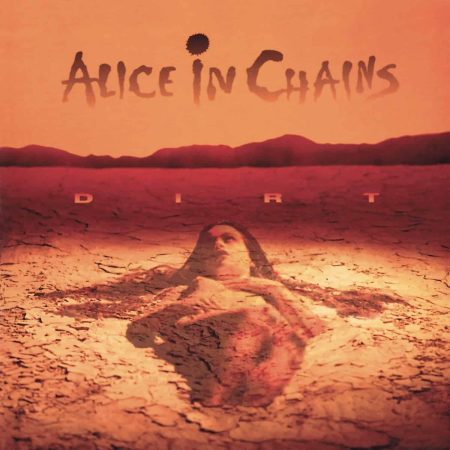
Alice in Chains Rain When I Die on the Dirt Album
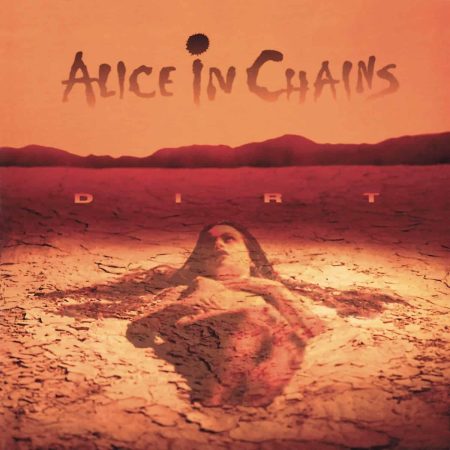
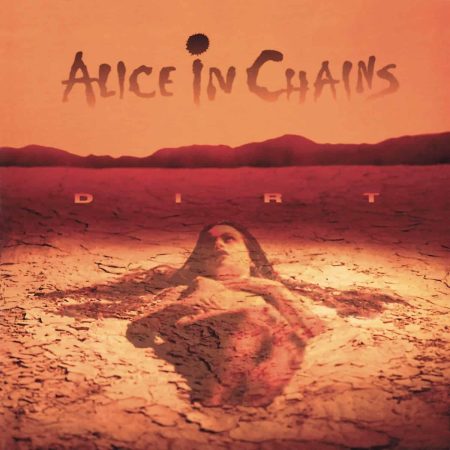
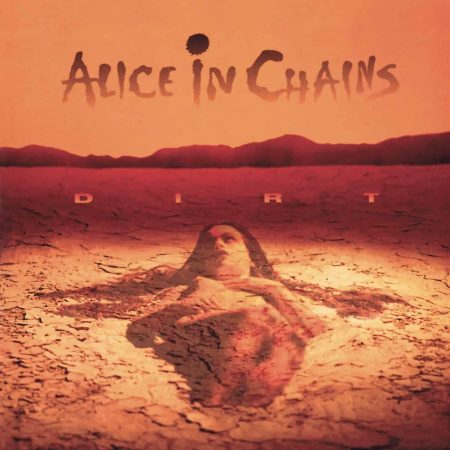
Alice in Chains Rain When I Die is track three on Dirt, arriving right after Them Bones and Dam That River.
By track three, the album had already set a pace that most records would have maintained for the rest of the running order.
Alice in Chains Rain When I Die broke that pace immediately.
It stretched past seven minutes at a time when grunge singles were measured in three-and-a-half-minute units.
At seven minutes and twenty-eight seconds, it is the longest track on the record.
The length is not indulgence.
It is structural: the song needs that space to build to where it actually goes in the final third.
The Seven-Minute Structure That Changes Everything
Most heavy rock songs in 1992, even ambitious ones, ran under five minutes.
Radio demanded concision, and artists under major label pressure were expected to respect that convention.
Rain When I Die ignored it entirely and built its architecture in two distinct halves.
The first half moves through a verse-chorus format, establishing the song’s emotional core with controlled, deliberate weight.
Then the structure opens.
Jerry Cantrell’s guitar begins a slow, melodic descent in the outro that continues for nearly three minutes.
That transition is not a fade or a coda.
It is a second movement, with its own logic and its own destination.
Alice in Chains Rain When I Die: What the Lyrics Mean
Alice in Chains Rain When I Die opens with the image of a destructive relationship that has become impossible to leave behind.
“She seems dressed in all of me, stretched across my shame” describes being consumed by something that has grown inseparable from your identity.
The “rain” in the title carries the bleakest possible weather imagery: death, grief, and endings with no resolution in sight.
Cantrell and Layne Staley wrote the song together, which gives it a different texture from the solo Staley confessions elsewhere on the record.
The lyric has a narrative quality rather than pure personal confession.
There is a character being observed, a story being constructed.
But the feeling beneath it is consistent with the rest of Dirt: nothing here resolves cleanly, and nothing is offered in the way of comfort.
Jerry Cantrell’s Guitar Work: The Extended Outro
The first four minutes of the track follow a structure that Dirt listeners recognize.
Then everything changes.
Cantrell begins a sustained, melodic descent in the outro that runs for nearly three minutes without resolution.
It is not a guitar solo in the traditional sense of the term.
There are no rapid runs or displays of technical range.
It is a slow, emotionally directed performance that uses volume, repetition, and controlled dynamics to create something close to a sustained trance.
This section of the track is what separates it from most of what else was on rock radio in 1992.
His earlier breakthrough on Man in the Box showed Cantrell’s gift for a memorable riff, but the outro here showed something different: the ability to sustain and develop a musical idea over time.
Alice in Chains Rain When I Die and the Dirt Sequence
Alice in Chains Rain When I Die sits between two very different Dirt tracks: Them Bones and Down in a Hole.
Them Bones is explosive and immediate, a detonation in the first ten seconds.
Down in a Hole is slow, confessional, and stripped to its emotional core.
Alice in Chains Rain When I Die occupies the space between those two poles without belonging entirely to either.
It has the weight of the former and the emotional exposure of the latter, combined inside a structure that takes its time.
Removing it from the running order would break the emotional logic that Dirt’s first side builds across its six tracks.
The album’s architecture depends on it being exactly where it is.
Layne Staley’s Vocal Performance on the Track
Staley approaches Rain When I Die differently from the more aggressive Dirt cuts.
The verses are delivered with a measured, almost detached tone that holds the emotional content at a slight distance.
That restraint makes the moments when his voice opens up feel earned rather than manufactured.
Staley and Cantrell’s harmonies on the chorus add mass to the sound in a way that neither could achieve alone.
Two voices moving in close harmonic intervals at that register create a weight that is felt as much as heard.
By 1992, Staley had mastered the art of holding back until the song required him to give everything at once.
This track is one of the clearest demonstrations of that control across the full Dirt recording.
The Production: Dave Jerden Gets It Right
Dave Jerden had worked with Jane’s Addiction and Social Distortion before taking on Dirt, and the experience showed.
His approach to this track in particular reflected how much those projects had taught him about space and dynamic contrast.
The first half of the song is dense and forward in the mix.
The outro is spacious and receding, which makes the guitars feel larger, not smaller, as the track moves toward its close.
That shift is a production decision as much as an arrangement one.
Pulling the sound back in the final minutes creates the illusion of the room expanding rather than contracting.
Alice in Chains Rain When I Die rewards headphone listening more than most other tracks on the record, and Jerden’s production is the primary reason.
Rain When I Die as a Fan Favorite Deep Cut
Rain When I Die was never the track that led Dirt’s commercial push.
Them Bones and Rooster carried the singles and the radio cycle.
Would? and the album’s closing sequence drove the critical response.
Rain When I Die existed in the space between those commercial peaks.
For years it was the track that dedicated Dirt listeners named when asked what casual listeners missed.
The extended outro, the harmonic density, and the structural ambition made it the argument that Dirt was operating above the level of a standard grunge record.
For a complete view of who built these recordings and how, the Alice in Chains members breakdown covers every contributor’s role across the full catalog.
Alice in Chains Rain When I Die Live
Alice in Chains Rain When I Die presented specific performance challenges during the Dirt touring cycle in 1992 and 1993.
At over seven minutes, it demanded sustained concentration from every member of the band across a runtime that most live songs never approach.
Cantrell’s extended outro required the rhythm section to stay locked and supportive for its full duration.
Footage from that tour era shows the song working in large venue settings despite its structural complexity and length.
Alice in Chains Rain When I Die remains one of the tracks that defines the original Staley-era lineup most distinctly.
Angry Chair, written by Staley alone, shares that quality: both songs carry a specific vocal and emotional fingerprint that belongs to that lineup and no other.
Performing Rain When I Die without the voice that shaped it is a different task, and one the current lineup approaches with evident care.
Own Dirt and Hear the Full Seven Minutes
Streaming Rain When I Die in isolation gives you the track.
Playing Dirt on vinyl from start to finish gives you the argument it belongs to.
Hearing it after Them Bones and Dam That River, in the sequence it was designed for, is a different experience entirely.
For what Jerry Cantrell is building in 2025, his current tour activity shows that this material still connects with live audiences decades later.
Visit the official band site at aliceinchains.com for all current news and releases.
Get Dirt on Amazon and hear Rain When I Die at full volume, in sequence, with the full seven minutes it requires.
You Might Also Like
Alice in Chains Rain When I Die is the track on Dirt that rewards the most patient listening, and patience with this one will never be wasted.