
Motley Crue Smokin in the Boys Room: The 1985 Hit
Motley Crue Smokin in the Boys Room gave the band their first Top 20 pop hit in 1985, reaching number sixteen on the Billboard Hot 100 and proving the band could reach a mainstream audience without softening anything that made them worth listening to.
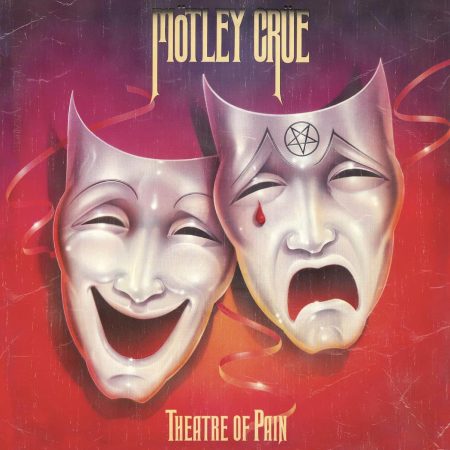
The cover appeared on the Theatre of Pain album and landed at exactly the right moment: glam metal was ascending toward its commercial peak, MTV was still the primary mechanism for breaking a rock song nationally, and Motley Crue had the momentum and the image to make anything they touched feel essential.
More than forty years later, the version that Motley Crue put on tape in 1985 still defines how most people hear this song.
Quick Navigation
- Motley Crue Smokin in the Boys Room: What the Song Is About
- Where the Song Came From: Brownsville Station in 1973
- How Motley Crue Smokin in the Boys Room Was Made
- Theatre of Pain: The Album Behind the Cover
- Vince Neil and the Vocal That Made It Work
- Motley Crue Smokin in the Boys Room on MTV
- The Shifting Rock Landscape of 1985
- Motley Crue Smokin in the Boys Room and the Sound of an Era
- Watch Motley Crue Smokin in the Boys Room Now
Motley Crue Smokin in the Boys Room: What the Song Is About
Motley Crue Smokin in the Boys Room is built around a subject that rock music has never found a reason to abandon: the pleasure of breaking a rule in a place where the rules are enforced, with other people who share your complete disregard for the consequences.
The school bathroom as a sanctuary for teenage rebellion is a universal image, and the song captures that specific feeling with a directness that made it immediately recognizable to anyone who had ever been on the wrong side of a teacher’s patience.
What Motley Crue understood about the song was that the rebellion it described did not need to be complicated or ideological to be powerful.
It needed to be honest about how good it feels to get away with something, and the track delivers that feeling in under three and a half minutes with no wasted space.
There is no deeper meaning to search for, no subtext that requires unpacking, and absolutely no apology built into the recording.
That is precisely why it works as an anthem rather than a novelty.
Where the Song Came From: Brownsville Station in 1973
The original recording belongs to Brownsville Station, a Michigan rock band fronted by vocalist and guitarist Cub Koda, and it reached number three on the Billboard Hot 100 in early 1974.
Written by Koda and guitarist Michael Lutz, the original was a blues-influenced hard rock track built around a riff that carried the same swagger the lyrics were selling.
The Brownsville Station original from 1973 was a top-five hit that spent years as a rock radio staple before Motley Crue discovered it and recognized exactly what it could become in their hands.
Brownsville Station built their sound in the space between hard rock and boogie-driven roll, and the song transcended their specific genre to reach an audience that would never have sought them out otherwise.
A good song finds the right band eventually, and this one found a band capable of doing something specific and commercially significant with it a decade after the original.
How Motley Crue Smokin in the Boys Room Was Made
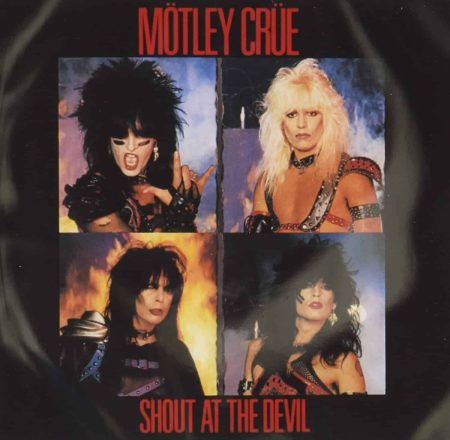
Motley Crue Smokin in the Boys Room was recorded during the Theatre of Pain sessions in early 1985, produced by Tom Werman, who had worked with the band on both Shout at the Devil and Too Fast for Love.
The production approach stripped back some of the blues influence from the original and replaced it with the harder, more compressed sound that defined the glam-metal production style of the mid-1980s.
The riff was tightened, the tempo sharpened, and the arrangement was rebuilt to fit the Motley Crue sonic identity without erasing what had made the original work for a decade on rock radio.
The result was a cover that felt like ownership rather than imitation, which is the highest standard any band covering an established song can meet.
That standard was reached because all four members of Motley Crue committed to the track with the same energy they brought to original material.
Theatre of Pain: The Album Behind the Cover
Theatre of Pain was released on June 21, 1985, under circumstances that would have stopped most bands before the sessions could begin.
The recording took place while the shadow of Vince Neil’s December 1984 drunk driving accident, which had killed Nicholas Razzle Dingley of Hanoi Rocks and injured two others, hung over everything the band was attempting to do professionally.
The album reflected none of that weight sonically: it was one of the most commercially accessible records the band had made, with party-rock energy on one end and a genuine power ballad in Home Sweet Home on the other.
Smokin in the Boys Room sat in the middle of that range, as the track most likely to reach a pop-radio audience that had not yet encountered the harder material in the catalog.
The record went platinum and established the commercial framework that the Dr. Feelgood era would later expand, confirming that the hard rock audience the band had built was large enough to carry them into genuinely mainstream territory.
Vince Neil and the Vocal That Made It Work
Vince Neil brought a playful confidence to the vocal that separated it from both the original and from the darker material on the same album.
He sang the track like someone who genuinely found the subject amusing, which is exactly the correct approach to a song about hiding in a school bathroom, and that lightness gave the recording a party-rock energy that the arrangement alone could not have provided.
Neil had a specific gift for finding the performative joy inside a lyric and amplifying it until it filled the room.
Motley Crue Smokin in the Boys Room was the ideal vehicle for that skill: a track that required conviction over subtlety and fun over drama, delivered with the confidence of a singer who understood that the song needed to sound like something you would want to be in the room for.
It is one of the most purely enjoyable vocal performances in the Motley Crue catalog, and the enjoyment is genuine rather than manufactured.
Motley Crue Smokin in the Boys Room on MTV
Motley Crue Smokin in the Boys Room arrived on MTV with the visual energy that Motley Crue had been building since Shout at the Devil: leather, hairspray, performance footage, and a complete commitment to looking like the most dangerous thing on television.
The network rotated the clip throughout the summer of 1985, bringing the song to audiences who had not yet heard the album and giving the band a mainstream visual presence that translated directly into record sales and broader name recognition.
For a generation of teenagers who grew up with MTV as their primary source of music discovery, the video was often the first encounter with the band, and the impression it made was immediate and lasting.
The clip did not try to tell a story or construct a concept: it delivered the proposition that watching Motley Crue perform this song was inherently entertaining, which turned out to be completely correct.
The Shifting Rock Landscape of 1985
The song arrived at the precise moment when glam metal was completing its transition from cult phenomenon to mainstream commercial force, and it fit that moment with a precision that felt almost inevitable in retrospect.
Radio programmers who had been cautious about Motley Crue material found the hooks and the energy of this track easier to defend in a scheduling meeting than the harder Shout at the Devil material, and that accessibility opened doors that had been partially closed before.
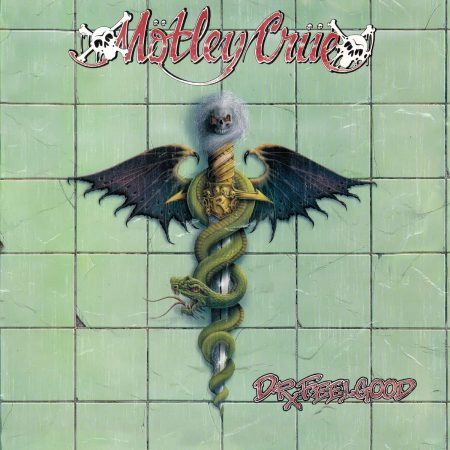
The commercial peak that followed across the rest of the decade, running through Dr. Feelgood and Kickstart My Heart, was built partly on the foundation that this cover established: Motley Crue as a band capable of reaching any demographic that wanted rock music on their terms.
Motley Crue Smokin in the Boys Room told the industry in 1985 that these four people from Los Angeles were not a niche proposition — they were ready to be the biggest rock band in the country.
Motley Crue Smokin in the Boys Room and the Sound of an Era
Motley Crue Smokin in the Boys Room stands in the catalog as the song that opened the door to a mass audience and proved the band’s commercial range without requiring them to compromise anything fundamental about their identity.
Choosing an existing song with a proven chart history was a practical decision, but executing it with the energy and conviction they brought to the recording was the part that actually mattered.
The cover worked because Motley Crue made it theirs, and the sixteen million people who bought records during the Theatre of Pain era responded to a band that had found a way to be both accessible and completely uncompromising at the same time.
Motley Crue continues to perform today, and their 2026 Carnival of Sins tour brings this energy to a new generation of audiences.
Learn more about the band at the official Motley Crue website.
Watch Motley Crue Smokin in the Boys Room Now
The video below is the track in its full original form, exactly as it hit MTV in 1985.
Affiliate Disclosure: This post contains affiliate links. If you purchase through them, we may earn a small commission at no extra cost to you.
If you want the Theatre of Pain album in your collection, the Theatre of Pain on Amazon is where Motley Crue Smokin in the Boys Room lives alongside Home Sweet Home and the full 1985 commercial peak.