

The Alice in Chains 1995 album stands as one of the most haunting and powerful statements in grunge history, a self-titled masterpiece that captured a band at their creative peak while simultaneously documenting their darkest hour.
Released on November 7, 1995, this album arrived three years after Alice in Chains Dirt (1992), and the weight of those intervening years hangs heavy over every note.
The album’s stark, three-legged dog imagery on the cover became an instant symbol of the band’s fractured state, with Layne Staley’s escalating struggles casting a shadow over the recording sessions.
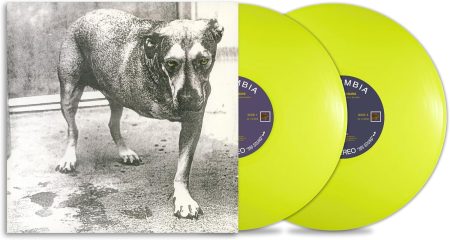
Alice in Chains 1995 Album – Available on Amazon
Get Alice in Chains Self Titled Album (1995) on Amazon
Affiliate Disclosure: I am an Amazon affiliate and if you purchase through any Amazon links on this site I may earn a small commission at no extra charge to you. This helps support classicrockartists.com. Thank you for your support!
Table of Contents
Overview of Alice in Chains 1995 Album
The Alice in Chains 1995 album represents a sonic evolution from the band’s earlier work, trading some of the raw aggression for a more deliberate, crushing heaviness.
Where Alice in Chains Facelift (1990) introduced the world to their unique sound and Dirt perfected it, this self-titled effort took the formula into even darker territory.
The album opens with “Grind,” a seven-minute descent into despair that immediately establishes the record’s oppressive atmosphere.
Jerry Cantrell’s guitar work throughout the album showcases a masterful understanding of dynamics, using space and silence as effectively as distortion.
The vocal interplay between Cantrell and Staley reaches its absolute zenith here, their harmonies creating an otherworldly quality that no other band has successfully replicated.
Tracks like “Heaven Beside You” demonstrate the band’s ability to craft genuinely beautiful melodies while maintaining their signature darkness.
The production, helmed by Toby Wright alongside the band, creates a dense, claustrophobic sound that perfectly matches the lyrical content.
Unlike the acoustic detour of Alice in Chains Jar of Flies (1994), this album returns to full electric power with renewed purpose.
The rhythm section of Mike Inez on bass and Sean Kinney on drums provides an unshakeable foundation, with Kinney’s drumming particularly inventive throughout.
Thematically, the album confronts addiction, isolation, and mortality with unflinching honesty that borders on uncomfortable.
The sequencing creates a journey that feels both cohesive and varied, never allowing the listener to settle into complacency.
Recording History and Production
The recording sessions for the Alice in Chains 1995 album took place at Bad Animals Studio and London Bridge Studio in Seattle during the spring and summer of 1995.
According to detailed documentation, the sessions were marked by significant challenges related to Layne Staley’s deteriorating condition.
Staley’s absences from the studio became increasingly frequent, forcing the band to work around his availability.
Jerry Cantrell took on an expanded role during production, handling more lead vocal duties than on any previous Alice in Chains release.
The band worked with producer Toby Wright, who had previously engineered portions of their earlier work.
Wright’s approach emphasized capturing the band’s live energy while allowing for meticulous layering of guitars and vocals.
The guitar tones on the album were achieved through a combination of Cantrell’s signature G&L Rampage guitars and various amplifier configurations.
Cantrell experimented extensively with detuned guitars, dropping to unusual tunings that created the album’s signature crushing low end.
The vocal recording process proved particularly challenging, with Staley’s performances captured during brief windows when he was physically and mentally capable.
Despite these difficulties, the vocal performances rank among the most powerful in the band’s catalog.
The harmony vocals were constructed with painstaking attention to detail, creating the haunting dual-voice effect that defines the album.
Mike Inez’s bass contributions added a new dimension to the band’s sound, his playing more prominent in the mix than on previous releases.
Sean Kinney’s drum tracks were recorded with minimal processing, capturing the natural power and dynamics of his playing.
The mixing process took several months, with the band determined to create a sonic statement that would stand apart from their previous work.
The final mix emphasizes clarity within the heaviness, allowing individual instruments to breathe while maintaining overwhelming density.
Track-by-Track Highlights of Alice in Chains 1995 Album
“Grind” opens the Alice in Chains 1995 album with a slow-building intensity that explodes into one of the heaviest riffs the band ever committed to tape.
The song’s lyrics address the grinding monotony of addiction and depression with brutal directness.
“Brush Away” follows with a slightly more uptempo feel, though the darkness remains pervasive throughout its runtime.
Cantrell’s vocals take the lead here, his voice carrying a weary resignation that perfectly matches the lyrical content.
“Sludge Factory” stands as one of the album’s centerpieces, a seven-minute epic that builds from quiet introspection to crushing heaviness.
The song’s structure defies conventional verse-chorus arrangements, instead creating a narrative arc that mirrors its lyrical journey.
“Heaven Beside You” became one of the album’s most commercially successful tracks, showcasing the band’s melodic capabilities.
Written primarily by Cantrell about a failing relationship, the song features some of his most vulnerable vocal work.
“Head Creeps” delivers a brief but intense blast of aggression, clocking in at just over two minutes of pure sonic assault.
The track’s brevity makes its impact even more powerful, serving as a palate cleanser between longer compositions.
“Again” emerged as the album’s lead single, its infectious main riff and memorable chorus making it an instant classic.
The song’s lyrics explore themes of cyclical behavior and the inability to break free from destructive patterns.
Staley’s vocal performance on “Again” ranks among his finest, conveying both power and fragility simultaneously.
“Shame in You” continues the album’s exploration of personal failure and self-loathing with unflinching honesty.
The guitar work creates a hypnotic, swirling effect that pulls the listener deeper into the song’s emotional vortex.
“God Am” features some of the album’s most experimental moments, with unusual time signatures and dissonant harmonies.
The track’s title and lyrics confront themes of power, control, and the corruption of both.
“So Close” offers a brief respite from the heaviness, though its melancholic tone maintains the album’s overall atmosphere.
The acoustic guitars and restrained arrangement create an intimate moment that highlights the band’s versatility.
“Nothin’ Song” closes the album with a deliberately anticlimactic statement, its title reflecting the lyrical theme of emptiness.
The song’s repetitive structure and droning quality create a sense of numbness that serves as a fitting conclusion.
“Frogs” appears as a hidden track on some versions, a nine-minute journey through despair that many consider the album’s true emotional climax.
The extended runtime allows the band to explore dynamics and atmosphere in ways the other tracks don’t permit.
Chart Performance of Alice in Chains 1995 Album
The Alice in Chains 1995 album debuted at number one on the Billboard 200 chart, selling over 189,000 copies in its first week.
This achievement made Alice in Chains one of the few rock bands to have multiple albums debut at the top position during the 1990s.
The album’s commercial success came despite minimal promotion and the band’s refusal to tour extensively in support of the release.
“Grind” reached number seven on the Mainstream Rock chart, becoming one of the album’s most successful singles.
“Heaven Beside You” performed even better, climbing to number three on the Mainstream Rock chart and crossing over to alternative radio.
“Again” became the album’s biggest hit, reaching number one on the Mainstream Rock chart and staying there for multiple weeks.
The song’s success helped drive album sales throughout 1996, keeping the record in the charts for over a year.
Internationally, the album performed strongly in Canada, Australia, and several European markets.
In the United Kingdom, the album reached number 12 on the UK Albums Chart, the band’s highest position there to date.
The Alice In Chains 1995 Album achieved double platinum certification in the United States, selling over two million copies domestically.
Worldwide sales eventually exceeded three million copies, making it one of the best-selling rock albums of 1995.
The commercial performance proved particularly impressive given the album’s uncompromising darkness and lack of obvious radio-friendly material.
Critics noted that the album’s success demonstrated the depth of Alice in Chains’ fanbase and their willingness to follow the band into darker territory.
The album continued to sell steadily throughout the late 1990s and early 2000s, finding new audiences through word of mouth.
Legacy and Cultural Impact
The Alice in Chains 1995 album has grown in stature over the decades, now widely regarded as one of the essential albums of the grunge era.
The album’s unflinching portrayal of addiction and depression influenced countless artists in heavy music genres.
Many modern metal and alternative bands cite this album as a primary influence on their approach to songwriting and production.
The vocal harmony techniques pioneered on this record have been studied and emulated by musicians across multiple genres.
The album’s production style, with its emphasis on crushing heaviness balanced with clarity, became a template for heavy rock production.
Tragically, the album stands as the last studio recording featuring Layne Staley’s full participation before his death in 2002.
This fact has added a layer of poignancy to the album’s already dark themes, making it a document of a talent in crisis.
The three-legged dog on the album cover has become one of rock’s most recognizable and symbolic images.
Fans have interpreted the imagery as representing the band’s fractured state, with Staley as the missing leg.
The album’s influence extends beyond music into discussions about mental health and addiction in the entertainment industry.
Documentaries and retrospectives frequently cite this album as a crucial artifact of 1990s rock culture.
The music videos from the album era captured the band’s visual aesthetic at its most refined.
The album’s continued relevance is evidenced by its regular appearance on “best of” lists compiled by music publications.
Younger generations continue to discover the album, ensuring its legacy extends beyond its original release era.
The album’s themes of struggle and perseverance resonate with listeners facing their own challenges, giving it a timeless quality.
Listener’s Note
When I first heard this album in late 1995, I was immediately struck by how different it felt from anything else in my collection.
The weight of the music was almost physical, pressing down with an intensity that demanded full attention.
I remember listening to “Grind” on repeat, trying to understand how a band could create something so heavy yet so melodic.
The vocal harmonies between Staley and Cantrell created textures I had never heard before in rock music.
What struck me most was the album’s honesty, the way it refused to offer easy answers or false hope.
Listening to it now, decades later, I’m amazed at how well it has aged compared to many of its contemporaries.
The production still sounds modern and powerful, never dated or tied to a specific era’s trends.
I find myself returning to this album during difficult times, finding strange comfort in its darkness.
There’s something validating about music that acknowledges pain without trying to immediately fix it.
The album works best as a complete listening experience, each song building on what came before.
I’ve introduced this album to countless friends over the years, and it never fails to make an impact.
Some find it too dark, too heavy, but those who connect with it form a deep and lasting bond.
Knowing the context of Staley’s struggles adds a layer of tragedy that’s impossible to ignore.
Yet the album transcends its backstory, standing as a powerful artistic statement regardless of the circumstances.
This is music that demands to be felt as much as heard, an emotional experience as much as a sonic one.
Affiliate Disclosure: I am an Amazon affiliate and if you purchase through any Amazon links on this site I may earn a small commission at no extra charge to you. This helps support classicrockartists.com and allows me to keep providing deep-dive content on the legends of rock. Thank you for your support!
Collector’s Corner
The Alice in Chains 1995 album has been released in numerous formats over the years, making it a rewarding target for collectors.
The original CD pressing featured the iconic three-legged dog artwork in a standard jewel case with a multi-page booklet.
Vinyl collectors prize the original 1995 pressing, which has become increasingly valuable in the collector’s market.
A deluxe reissue was released in later years, featuring remastered audio and bonus tracks not available on the original release.
The album has been pressed on various colored vinyl variants, including limited edition releases in yellow, green, and clear vinyl.
Japanese pressings often included bonus tracks and alternative artwork, making them highly sought after by completists.
The cassette version, while less common today, represents an authentic piece of mid-1990s music consumption.
For those looking to add this essential album to their collection, Amazon offers various formats including vinyl, CD, and digital versions.
The vinyl reissues provide excellent sound quality, often superior to the original pressings due to modern mastering techniques.
Collectors should be aware that some later pressings include the hidden track “Frogs” as a separate listed track rather than hidden.
The album’s artwork has been reproduced on various merchandise items, from posters to t-shirts, all featuring the memorable dog imagery.
Sealed original pressings command premium prices in the collector’s market, particularly first pressings with specific matrix numbers.
For the best listening experience, the vinyl format truly showcases the album’s dynamic range and crushing low end.
FAQ About Alice in Chains 1995 Album
Why is the Alice in Chains 1995 album self-titled?
The band chose to make their third studio album self-titled because they felt it represented their most complete artistic statement.
Jerry Cantrell has stated in interviews that the album captured the essence of what Alice in Chains was about more fully than their previous releases.
The decision also reflected the band’s maturity and confidence in their sound after years of evolution.
Some have speculated that the self-titled nature also acknowledged this might be the last album with the classic lineup, though this wasn’t publicly stated at the time.
What does the three-legged dog on the album cover represent?
The three-legged dog image was created by artist Rocky Schenck and has been interpreted in multiple ways by fans and critics.
Many see it as representing the band’s fractured state, with Layne Staley’s struggles making the group incomplete.
Others interpret it as a symbol of perseverance, a creature that continues despite being damaged.
The band members have remained somewhat cryptic about the exact meaning, allowing listeners to draw their own conclusions.
The image has become one of the most iconic album covers of the 1990s, instantly recognizable to rock fans worldwide.
How does the Alice in Chains 1995 album compare to Dirt?
While Alice in Chains Dirt (1992) is often considered the band’s masterpiece, the self-titled album takes a different approach to similar themes.
The 1995 album is generally slower, heavier, and more atmospheric than Dirt’s more direct aggression.
Jerry Cantrell’s vocals are more prominent on the self-titled album, creating a different dynamic than Dirt’s Staley-dominated performances.
The production on the 1995 album is denser and more layered, creating a more oppressive sonic atmosphere.
Both albums deal with addiction and despair, but the self-titled album feels more resigned and less angry about these themes.
Many fans consider them companion pieces, each essential to understanding the full scope of Alice in Chains’ artistic vision.
Was this the last Alice in Chains album with Layne Staley?
Yes, the Alice in Chains 1995 album was the last full studio album to feature Layne Staley’s participation.
The band released a live album and a box set compilation in the following years, but no new studio material with Staley.
Staley’s declining health and increasing reclusiveness made further recording impossible despite the band’s desires.
He passed away in April 2002, making this album a final testament to his incredible vocal talents.
The band eventually reformed with new vocalist William DuVall, but the Staley era officially ended with this release.
You Might Also Like
Alice in Chains Members: Complete Story & Where Are They Now
Explore the complete history of all Alice in Chains members and discover where they are today.
Alice in Chains Would? (1992)
Deep dive into one of Alice in Chains’ most powerful and enduring songs from the Dirt era.
Alice in Chains Rooster: Jerry Cantrell’s Letter to His Father
Discover the powerful story behind Jerry Cantrell’s tribute to his Vietnam veteran father.
The Alice in Chains 1995 album remains a towering achievement in heavy rock music, a final statement from a classic lineup that captured lightning in a bottle one last time.