

Alice in Chains Dirt stands as one of the most harrowing and honest albums in rock history, a masterpiece that defined grunge’s darkest corners while transcending genre limitations entirely.
Released on September 29, 1992, this album captured addiction, depression, and mortality with unflinching clarity.
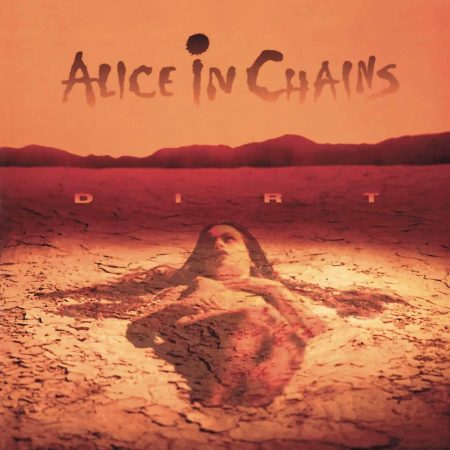
Alice in Chains Dirt – Available on Amazon
Get Alice in Chains Dirt (1992) on Amazon
Affiliate Disclosure: I am an Amazon affiliate and if you purchase through any Amazon links on this site I may earn a small commission at no extra charge to you. This helps support classicrockartists.com. Thank you for your support!
The Seattle quartet delivered thirteen tracks of crushing heaviness and melodic brilliance that would influence generations of musicians.
Building on the foundation established with Alice in Chains Facelift (1990), the band pushed their sound into even more uncompromising territory.
Table of Contents
Overview of Alice in Chains Dirt
Alice in Chains Dirt represents the pinnacle of early 1990s alternative metal, combining sludgy riffs with haunting vocal harmonies.
The album emerged during grunge’s commercial peak, yet it stood apart from its Seattle contemporaries.
Where Nirvana channeled punk energy and Pearl Jam embraced classic rock, Alice in Chains delved into Black Sabbath-inspired doom.
Layne Staley’s tortured vocals intertwined with Jerry Cantrell’s guitar work to create something genuinely disturbing and beautiful.
The album’s thematic focus on heroin addiction gave it an autobiographical weight that listeners could feel in every note.
Mike Starr’s bass lines provided a rumbling foundation while Sean Kinney’s drumming added both power and restraint.
The chemistry between Alice in Chains Members: Complete Story & Where Are They Now reached its creative zenith on this record.
Producer Dave Jerden captured the band’s raw intensity while maintaining sonic clarity throughout.
The album’s production balanced heaviness with melody in ways few metal or grunge records had achieved.
Each song flows into the next, creating a cohesive journey through darkness and despair.
The record’s unflinching honesty about addiction and mortality gave it a documentary-like quality.
Staley’s lyrics pulled no punches, describing the physical and psychological devastation of drug dependency.
Cantrell’s contributions added layers of personal trauma, particularly regarding his father’s Vietnam experiences.
Recording History and Production
The band entered Eldorado Recording Studios in Los Angeles during March 1992 with producer Dave Jerden.
Jerden had previously worked with Jane’s Addiction and brought a sophisticated understanding of heavy music.
The sessions proved challenging as Staley’s heroin addiction was already affecting his reliability and health.
Despite these struggles, the vocalist delivered some of the most powerful performances of his career.
Cantrell took on increased songwriting responsibilities, composing most of the album’s music and several lyrics.
The guitarist’s vision for a heavier, more metallic sound shaped the album’s sonic direction.
According to Wikipedia, the recording process took approximately four months to complete.
Jerden employed various techniques to capture the band’s crushing guitar tones and vocal harmonies.
The producer encouraged experimentation while maintaining the raw edge that defined the band’s identity.
Cantrell used his signature G&L Rampage guitar through Bogner amplifiers to achieve his distinctive tone.
The guitar sound combined drop-D tuning with thick distortion and precise palm-muting techniques.
Staley and Cantrell spent considerable time perfecting their vocal harmonies, which became the album’s signature element.
These harmonies created an eerie, almost otherworldly quality that enhanced the album’s dark themes.
The rhythm section recorded live in the studio to maintain organic energy and tightness.
Kinney’s drum sound featured deep, resonant toms and a powerful kick drum that anchored the heaviest passages.
Starr’s bass work provided melodic counterpoint to Cantrell’s riffs while reinforcing the low-end heaviness.
The album’s mix emphasized clarity despite the dense layers of guitars and vocals.
Columbia Records supported the project with a substantial budget, recognizing the band’s commercial potential.
Track-by-Track Highlights of Alice in Chains Dirt
The album opens with Alice in Chains Them Bones (1992), a ferocious statement of mortality and inevitability.
This track establishes the album’s themes immediately with its pummeling riff and Staley’s anguished vocals.
“Dam That River” follows with a more straightforward hard rock approach, showcasing Cantrell’s riff-writing prowess.
The song’s aggressive energy provides a contrast to the slower, more oppressive tracks that follow.
Alice in Chains Rain When I Die (1992) introduces a more psychedelic element with its swirling guitars and atmospheric production.
“Down in a Hole” stands as one of the album’s most emotionally devastating tracks.
Cantrell wrote this song about a failed relationship, and its melancholic melody cuts deep.
The vocal harmonies reach their peak effectiveness here, creating a sense of profound sadness.
“Sickman” delivers pure sonic punishment with its grinding riff and Staley’s descriptions of physical illness.
The track’s middle section features some of the album’s heaviest moments.
Alice in Chains Rooster: Jerry Cantrell’s Letter to His Father provides the album’s emotional centerpiece.
This tribute to Cantrell’s Vietnam veteran father became one of the band’s most enduring songs.
The track’s dynamics shift from quiet verses to explosive choruses with masterful control.
“Junkhead” confronts addiction with dark humor and self-awareness.
Staley’s lyrics describe the junkie lifestyle without glamorization or apology.
The song’s groove-oriented riff makes it one of the album’s most headbang-worthy moments.
“Dirt” strips everything down to its most primal elements.
The title track features minimal instrumentation and Staley’s most vulnerable vocal performance.
Its sparse arrangement creates maximum emotional impact.
“God Smack” pounds with tribal drumming and one of Cantrell’s most memorable riffs.
The song inspired the name of the band Godsmack, demonstrating its influence.
“Hate to Feel” showcases Staley’s range with its quiet verses and explosive choruses.
The lyrics describe the numbness of addiction with chilling accuracy.
Alice in Chains Angry Chair (1992) features one of the album’s most disturbing lyrical narratives.
Staley’s description of isolation and self-destruction remains deeply unsettling.
The song’s slow, grinding tempo enhances its oppressive atmosphere.
“Would?” closes the album with a question that remains unanswered.
Written about Mother Love Bone’s Andrew Wood, the song addresses loss and regret.
Its placement as the final track provides a powerful conclusion to the album’s journey.
Chart Performance of Alice in Chains Dirt
Alice in Chains Dirt debuted at number six on the Billboard 200 chart in October 1992.
This represented a significant commercial achievement for such an uncompromising album.
The record sold over 400,000 copies in its first month of release.
By the end of 1992, it had achieved platinum certification from the RIAA.
The album eventually reached quadruple platinum status in the United States.
Worldwide sales exceeded five million copies, making it the band’s best-selling release.
“Would?” became the album’s biggest single, reaching number 31 on the Billboard Hot 100.
The song performed even better on rock radio, topping the Mainstream Rock chart.
“Them Bones” reached number 24 on the Mainstream Rock chart.
“Rooster” climbed to number seven on the same chart, becoming a rock radio staple.
“Down in a Hole” peaked at number 10 on the Mainstream Rock chart.
The album’s success helped establish Alice in Chains as one of grunge’s biggest acts.
MTV provided significant support through heavy rotation of the album’s music videos.
The “Rooster” video received particular acclaim for its powerful imagery.
Critical reception was overwhelmingly positive, with many reviewers praising the album’s honesty.
Rolling Stone awarded it four out of five stars in their initial review.
The album remained on the Billboard 200 for over two years.
Its commercial longevity demonstrated the depth of its appeal beyond initial hype.
Legacy and Cultural Impact
Alice in Chains Dirt fundamentally altered perceptions of what heavy music could express emotionally.
The album’s unflinching portrayal of addiction influenced countless musicians in metal and alternative rock.
Bands like Godsmack, Breaking Benjamin, and Staind cite it as a primary influence.
The record’s combination of heaviness and melody became a template for post-grunge acts.
Modern metal bands continue to draw inspiration from its guitar tones and vocal harmonies.
The album’s themes proved tragically prophetic regarding Staley’s eventual fate.
His death from a drug overdose in 2002 cast the album in an even more somber light.
Retrospective reviews consistently rank it among the greatest albums of the 1990s.
Guitar World magazine placed it on their list of the 100 Greatest Guitar Albums.
The album’s influence extends beyond music into discussions about addiction and mental health.
Many listeners found solace in its honest depiction of struggle and pain.
The record demonstrated that commercial success and artistic integrity could coexist.
You can experience the album’s power through this YouTube playlist featuring its essential tracks.
The album’s production techniques influenced how heavy music was recorded in subsequent decades.
Dave Jerden’s work set a standard for clarity and power in metal production.
The vocal harmony approach became a signature element copied by numerous bands.
Anniversary reissues have introduced the album to new generations of listeners.
The record’s cultural significance was recognized when it was added to various “essential albums” lists.
Listener’s Note
When I first heard this album in 1992, I wasn’t prepared for its emotional intensity.
I had enjoyed the band’s debut, but this was something entirely different.
The opening riff of “Them Bones” immediately signaled that this would be a darker journey.
As the album progressed, I found myself both disturbed and mesmerized.
Staley’s vocals conveyed such genuine pain that it felt voyeuristic to listen.
Yet the music was so compelling that I couldn’t turn away.
“Rooster” hit me particularly hard with its vivid imagery and emotional weight.
I remember playing that song repeatedly, trying to absorb all its layers.
The album became a constant companion during a difficult period in my own life.
Its honesty about struggle made me feel less alone in my own challenges.
Years later, knowing Staley’s fate, the album takes on additional poignancy.
It stands as both a warning and a testament to artistic courage.
I still return to it regularly, finding new details in its dense sonic landscape.
The album rewards repeated listening with its subtle production touches and layered arrangements.
It remains one of the few albums I can listen to from start to finish without skipping tracks.
Affiliate Disclosure: I am an Amazon affiliate and if you purchase through any Amazon links on this site I may earn a small commission at no extra charge to you. This helps support classicrockartists.com and allows me to keep providing deep-dive content on the legends of rock. Thank you for your support!
Collector’s Corner
Alice in Chains Dirt remains widely available in multiple formats for collectors and new listeners alike.
The original CD pressing from 1992 features the classic jewel case packaging with full lyrics.
Vinyl reissues have become increasingly popular, with several editions released over the years.
The 2009 remastered version offers improved sound quality while maintaining the original mix’s character.
A deluxe edition released for the album’s anniversary includes bonus tracks and demos.
These additional recordings provide insight into the album’s development process.
Picture disc versions appeal to collectors seeking unique display pieces.
The album’s iconic cover art, featuring a distressed woman covered in dirt, remains striking.
Original promotional materials and posters from 1992 have become valuable collectibles.
The cassette version, once ubiquitous, now appeals to nostalgic collectors.
Purchase Alice in Chains Dirt on Amazon to experience this essential album in your preferred format.
Digital versions offer convenience while vinyl provides the warmest analog sound.
The album’s dynamic range benefits from high-quality playback systems.
Collectors should seek out first pressings for potential investment value.
The album’s enduring popularity ensures it will remain in print for years to come.
FAQ About Alice in Chains Dirt
What is Alice in Chains Dirt about?
Alice in Chains Dirt primarily explores themes of heroin addiction, depression, and mortality.
Layne Staley’s lyrics draw from his personal struggles with substance abuse.
Jerry Cantrell contributed songs about his father’s Vietnam experiences and failed relationships.
The album presents these dark subjects with unflinching honesty rather than glamorization.
Who produced Alice in Chains Dirt?
Dave Jerden produced Alice in Chains Dirt at Eldorado Recording Studios in Los Angeles.
Jerden had previously worked with Jane’s Addiction on their landmark albums.
His production balanced the album’s heaviness with clarity and melodic elements.
The collaboration between Jerden and the band resulted in their most sonically accomplished work.
What are the best songs on Alice in Chains Dirt?
“Rooster,” “Would?,” “Down in a Hole,” and “Them Bones” stand as the album’s most celebrated tracks.
Each of these songs received significant radio play and critical acclaim.
Deeper cuts like “Angry Chair” and “Rain When I Die” reward attentive listeners.
The album works best as a complete listening experience rather than individual tracks.
How many copies did Alice in Chains Dirt sell?
Alice in Chains Dirt has sold over five million copies worldwide.
In the United States alone, it achieved quadruple platinum certification.
The album debuted at number six on the Billboard 200 chart.
It remained on the charts for over two years following its release.
You Might Also Like
Alice in Chains Down in a Hole (1992)
Explore the emotional depth of one of Dirt’s most powerful ballads.
Alice in Chains Would? (1992)
Discover the story behind the album’s closing track and biggest hit.
Alice in Chains No Excuses (1994)
Learn about the band’s evolution on their follow-up EP Jar of Flies.
Alice in Chains Dirt remains an essential document of 1990s rock, a masterpiece that continues to resonate with listeners who appreciate uncompromising artistic vision and emotional honesty.