

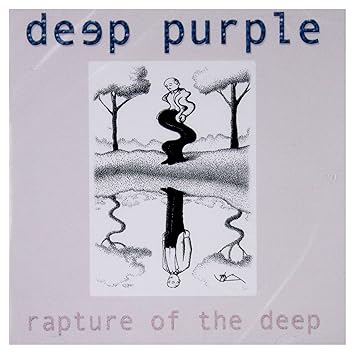
Rapture of the Deep by Deep Purple is the band’s 18th studio album, released on 24 October 2005 in Europe, and it stands as one of the strongest efforts of the Steve Morse era.
Affiliate Disclosure: I am an Amazon affiliate and if you purchase through any amazon links on this site i may earn a small commission at no extra charge to you.
📋 Table of Contents [+]
Rapture of the Deep by Deep Purple: Overview
Rapture of the Deep by Deep Purple arrived in October 2005 as the band’s 18th studio album and the second record from the Mark VIII lineup of Ian Gillan, Roger Glover, Steve Morse, Don Airey, and Ian Paice.
It followed 2003’s Bananas, which had divided fans, and the band entered these sessions with clear intent to make something heavier and more focused.
The result is an album that sounds like a band in command of its strengths: tight, varied, and confident without trying to recreate the Mark II era that made songs like Smoke on the Water immortal.
At 50 minutes across 10 tracks on the standard edition, it holds together better than almost anything the band had done in the previous two decades.
Background and Recording
Recording took place between March and June 2005 at Chunky Style Studios in Los Angeles, the same facility used for Bananas.
Producer Michael Bradford returned, giving the album sonic continuity with its predecessor while the performances themselves pushed harder.
Ian Gillan has said the band came off an 18-month Bananas tour and went straight into the studio while the chemistry between the five players was at its peak.
That live-band cohesion is audible throughout: Rapture of the Deep by Deep Purple feels like a band that had been playing together every night, not one assembled from separate studio sessions.
The album also marked a significant label change, with Deep Purple releasing in Europe for the first time on the German label Edel Records, while the US release came through Edel’s sub-label Eagle Records, ending their long relationship with EMI.
Personnel and Production
The lineup that recorded Rapture of the Deep by Deep Purple was: Ian Gillan on vocals, Steve Morse on guitars, Don Airey on keyboards, Roger Glover on bass, and Ian Paice on drums.
All compositions are credited collectively to all five members, continuing the democratic writing approach established on Bananas.
Michael Bradford produced and engineered the record at Chunky Style Studios, Los Angeles.
Mastering was handled by Andy Van Dette at Masterdisk in New York.
Don Airey, who had replaced Jon Lord in 2002, came into these sessions with significantly more confidence than on Bananas, asserting ideas more strongly and contributing the foundational riff that became the title track.
Full Tracklist
The standard edition of Rapture of the Deep by Deep Purple contains 10 tracks with a total running time of 50:53.
- Money Talks (5:31)
- Girls Like That (4:02)
- Wrong Man (4:53)
- Rapture of the Deep (5:58)
- Clearly Quite Absurd (5:25)
- Don’t Let Go (4:32)
- Back to Back (4:03)
- Kiss Tomorrow Goodbye (4:18)
- Junkyard Blues (5:32)
- Before Time Began (6:30)
A special edition and subsequent releases added “Things I Never Said” and “MTV,” along with studio rehearsal recordings.
Rapture of the Deep by Deep Purple: Track Highlights
“Money Talks” opens the album with a keyboard-driven riff that immediately signals a more assertive record than Bananas.
Gillan performs the widest vocal range heard on any Deep Purple recording on this track: a deep bass vocal on the bridge and a high-pitched scream in the coda that proves his voice had lost nothing.
“Wrong Man” delivers the classic groove Deep Purple does better than almost anyone: mid-tempo, heavy, and locked in between Morse’s riff and the Glover-Paice rhythm section, which remains one of the tightest partnerships in rock.
“Clearly Quite Absurd” is the album’s ballad, a slow-building piece with genuine melodic weight that belongs alongside “Sometimes I Feel Like Screaming” in the band’s catalog of quieter moments.
“Junkyard Blues” is a straight blues track with standout guitar work from Morse, whose lead playing on this track ranks among the most expressive of his tenure with the band.
“Before Time Began” closes the album over six minutes of shifting moods, starting spaciously and building into hard rock before pulling back again, an ambitious structural move the band pulls off.
Fans of the Highway Star era will find the most familiar ground on “Wrong Man” and the title track itself.
The Title Track Explained
The song “Rapture of the Deep” takes its name and concept from nitrogen narcosis, the psychological condition that affects scuba divers who descend below a certain depth.
Roger Glover described the concept: a diver in nitrogen narcosis experiences pure joy and bliss, falls in love with the deep water, removes their mask, and drowns. Rapture as danger dressed as euphoria.
That duality runs through Ian Gillan’s lyrics on the track, and through the album’s broader thematic content, which carries a spiritual and meditative thread across four or five songs.
According to Ian Paice, the title track began when Don Airey started playing a riff and Paice asked him to add something with a Turkish or Middle Eastern flavor to the tempo he had in mind.
The other members wandered in within minutes, began building on what Airey had started, and the basic track was recorded the following day.
The result is one of the strongest title tracks in the band’s catalog, with Morse and Airey locked in a riff interplay that echoes the Blackmore-Lord dynamic of the classic era without copying it.
Production and Sound
The original 2005 production of Rapture of the Deep by Deep Purple was widely compared to vinyl in its sonic character: tight, dry, and direct.
Some listeners found it too sharp and compressed, while others praised its clarity and punch compared to Bananas.
The production placed Steve Morse’s guitar front and center across most tracks, with Don Airey’s keyboards sitting underneath rather than competing for space.
Ian Paice’s drumming is mixed with significant weight throughout, and Roger Glover’s bass is audible as a distinct rhythmic force on every track rather than buried beneath the guitars.
The 2025 remix by Roger Glover addressed some criticisms of the original mix by opening up the low end and giving individual instruments more room, though reactions to the remix have been mixed, with some fans finding Glover’s remix added too much low-frequency weight to the drums and bass.
Chart Performance
Rapture of the Deep by Deep Purple charted in most European markets on release, reaching number 10 in Germany, number 11 in Finland, number 19 in Italy, number 20 in Austria, number 22 in Sweden, and number 16 in Switzerland.
In the UK it reached number 81 on the main album chart, number 8 on the UK Independent Albums chart, and number 3 on the UK Rock and Metal Albums chart.
The album peaked at number 43 on the US Billboard Top Independent Albums chart.
First-week sales were 3,500 copies in the UK and 2,500 in the US, modest figures that reflected the band’s position as a touring act rather than a mainstream chart contender by 2005.
Classic Rock magazine named it their 24th album of the year for 2005, placing it in respectable company for a band releasing their 18th studio record.
Critical Reception
Critical reception to Rapture of the Deep by Deep Purple was generally positive, with BBC Music giving it a favorable write-up and BW&BK awarding it a perfect 10/10.
Drowned in Sound was an outlier with a 5/10, and Terrorizer gave it 4/10, both publications reflecting skepticism about whether any 2005 Deep Purple album could matter.
Fan response was more enthusiastic, with many longtime listeners calling it the band’s strongest work since Perfect Strangers, the 1984 Mark II reunion record.
That comparison is reasonable: both albums share a quality of renewed focus and a tightness of execution that distinguishes them from the albums on either side.
Reviewers who covered the album seriously noted that the Steve Morse era had given Deep Purple a consistency the Mark II reunion period never quite achieved, and Rapture of the Deep is the clearest evidence for that argument.
Rapture of the Deep by Deep Purple: The Tour
The tour supporting Rapture of the Deep by Deep Purple became one of the most extensive in the band’s history, running from 2005 through 2011 and covering five continents in more than 50 countries.
Deep Purple played close to 500 shows across 28 legs during the Rapture of the Deep tour cycle, with venue sizes ranging from club halls to major arenas and stadiums.
In June 2006 the band headlined the Monsters of Rock festival at Milton Keynes Bowl in the UK in front of more than 30,000 people.
The band played seven tracks from Rapture of the Deep regularly during the tour: “Wrong Man,” “Rapture of the Deep,” “Back to Back,” “Kiss Tomorrow Goodbye,” “Junkyard Blues,” “Before Time Began,” and “Things I Never Said.”
Planet Rock listeners voted the Rapture of the Deep tour the sixth best tour of 2007.
A live recording from the 2006 Montreux Jazz Festival appearance was released as “Live at Montreux 2006,” capturing the band at the peak of the tour’s European leg.
20th Anniversary Edition (2025)
In August 2025, earMUSIC released a remixed and remastered 20th anniversary edition of Rapture of the Deep by Deep Purple.
The main release was expanded from 10 to 12 tracks, adding “Things I Never Said” and “MTV” to the standard tracklist, with a different running order from the original 2005 release.
A second disc contained five additional recordings from the original sessions, including studio rehearsal versions of several tracks.
The remix was handled by Roger Glover, who opened up the low end considerably compared to Michael Bradford’s original production.
A vinyl edition on azure blue 180-gram pressings was also produced, coming in a gatefold sleeve with premium linen texture card stock.
The anniversary edition became the highest-charting version of the album: in Germany it reached number 3 on the Pop Albums chart, and in Hungary it peaked at number 13 on the Physical Albums chart.
Legacy and Place in the Catalog
Rapture of the Deep by Deep Purple sits near the top of the Steve Morse era by most informed measures.
Where Purpendicular (1996) introduced Morse and showed what the new lineup could do, Rapture of the Deep showed a band that had fully absorbed the chemistry built across three albums and a decade of touring.
The album made a case that Deep Purple in 2005 were not a legacy act coasting on reputation but a working band capable of producing music worth hearing on its own terms.
Deep Purple continued recording after Rapture of the Deep, releasing Whoosh! in 2020 and “=1” in 2024, but this album remains the benchmark for the Morse-Airey configuration of the band.
Fans discovering the band through the classic Members of Deep Purple history should treat this album as essential listening for the modern era of the group.
People Also Ask
What is Rapture of the Deep by Deep Purple?
Rapture of the Deep is the 18th studio album by Deep Purple, released on 24 October 2005 in Europe and 1 November 2005 in the US. It was recorded at Chunky Style Studios in Los Angeles between March and June 2005, produced by Michael Bradford, and features the Mark VIII lineup of Ian Gillan, Steve Morse, Don Airey, Roger Glover, and Ian Paice. It is the second album from this lineup, following Bananas (2003).
What does “rapture of the deep” mean?
Rapture of the deep is an alternative name for nitrogen narcosis, a condition that affects scuba divers who descend below approximately 30 to 40 meters (100 to 120 feet). The excess nitrogen in the blood causes a state of euphoria and disorientation similar to intoxication. The danger is that the affected diver feels intense bliss and may remove their breathing apparatus, which can be fatal. Roger Glover chose the title for its duality: rapture as both joy and mortal danger.
Who wrote the songs on Rapture of the Deep?
All songs on Rapture of the Deep are credited collectively to all five members of Deep Purple: Ian Gillan, Roger Glover, Steve Morse, Don Airey, and Ian Paice. This collective approach to songwriting was established on Bananas and continued here, with individual members initiating ideas that the band developed together in the studio. Don Airey originated the riff that became the title track, and Ian Paice contributed the rhythmic concept behind it.
Did Rapture of the Deep chart?
Yes. Rapture of the Deep charted in most European markets on release, reaching number 10 in Germany, number 11 in Finland, number 19 in Italy, number 20 in Austria, and number 16 in Switzerland. In the UK it reached number 3 on the Rock and Metal Albums chart and number 81 on the main album chart. In the US it peaked at number 43 on the Billboard Top Independent Albums chart.
Is there a 20th anniversary edition of Rapture of the Deep?
Yes. earMUSIC released a remixed and remastered 20th anniversary edition in August 2025. The main release was expanded to 12 tracks, including “Things I Never Said” and “MTV” from the original special edition, with a second disc of five additional session recordings. Roger Glover handled the remix. A vinyl edition on azure blue 180-gram pressings was also released in a gatefold sleeve. In Germany, the anniversary edition reached number 3 on the Pop Albums chart.
How long was the Rapture of the Deep tour?
The Rapture of the Deep tour ran from 2005 through 2011, making it one of the longest and most extensive tours in Deep Purple’s history. The band played close to 500 shows across 28 legs in more than 50 countries, covering five continents. Planet Rock listeners voted it the sixth best tour of 2007. A highlight was their headlining appearance at the Monsters of Rock festival at Milton Keynes Bowl in June 2006, in front of more than 30,000 people.
Watch: Rapture of the Deep by Deep Purple
Shop Deep Purple Albums
Affiliate Disclosure: I am an Amazon affiliate and if you purchase through any amazon links on this site i may earn a small commission at no extra charge to you. This helps support classicrockartists.com and allows me to keep providing deep-dive content on the legends of rock. Thank you for your support!
As an Amazon Associate, I earn from qualifying purchases.
Rapture of the Deep (20th Anniversary 2CD)
2005 / 2025 reissue
The definitive edition with Roger Glover’s 2025 remix and bonus disc from the original sessions.
Includes “Things I Never Said,” “MTV,” and five studio rehearsal recordings.

Perfect Strangers
1984 — remastered CD
The Mark II reunion album and the record Rapture of the Deep is most often compared to.
Contains “Knocking at Your Back Door” and the title track, two of the band’s finest later-era recordings.

Machine Head
1972 — remastered CD
The peak of the Mark II era and one of the most important hard rock albums ever made.
Contains “Highway Star,” “Smoke on the Water,” “Space Truckin,” and “Lazy.”

The Very Best of Deep Purple
Compilation CD
The definitive single-disc introduction to Deep Purple’s catalog across all eras.
Covers the essential tracks from the 1960s through the Steve Morse era in one collection.
You Might Also Like
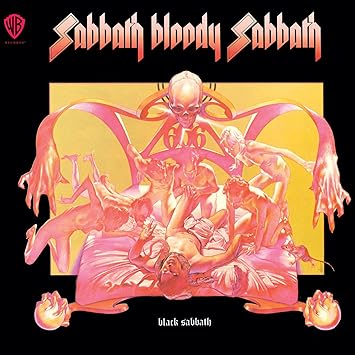
Sabbath Bloody Sabbath by Black Sabbath
Black Sabbath’s most critically acclaimed album, born from a creative crisis in a haunted castle.
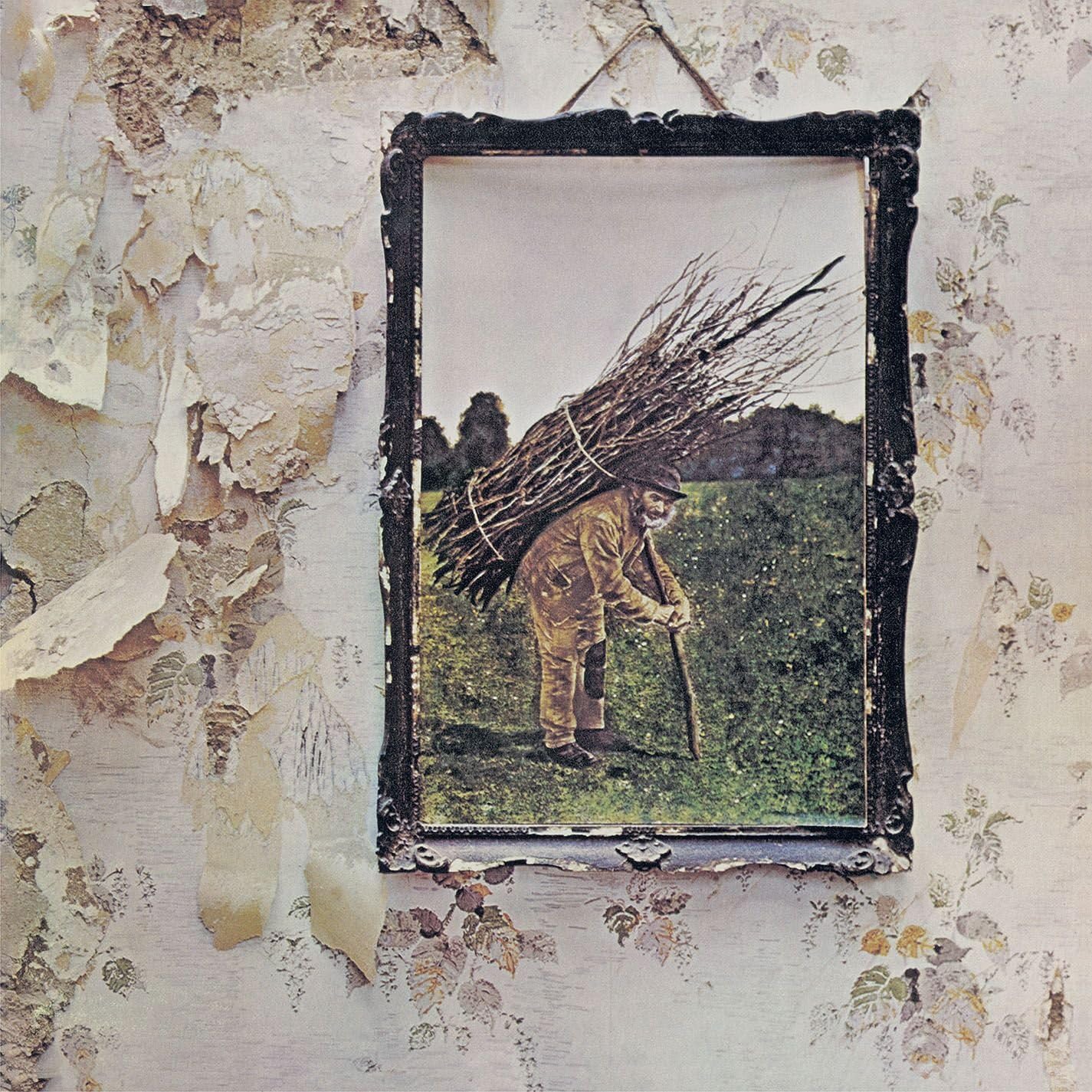
Led Zeppelin IV
The untitled masterpiece featuring Stairway to Heaven, Black Dog, and Rock and Roll.
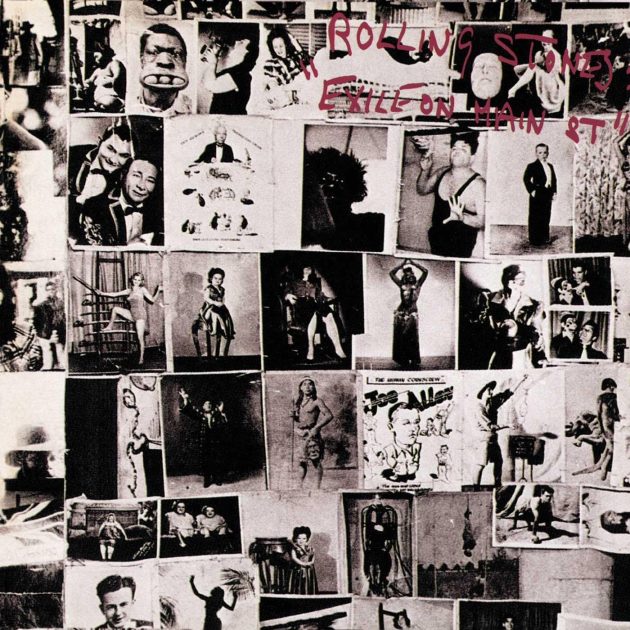
Exile on Main St by The Rolling Stones
The definitive double album, recorded in a basement in the South of France in 1971.
Rapture of the Deep by Deep Purple remains one of the most complete and convincing studio statements the band made in the modern era, and it deserves a place in any serious collection of hard rock from the 2000s.