

Heart of Glass by Blondie is one of the most daring reinventions in rock history, a song that took a New York punk band straight into the heart of the disco era and came out with a number one hit on both sides of the Atlantic.
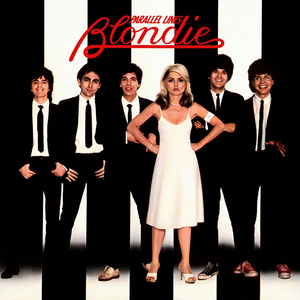
Released as a single in January 1979 from the landmark album Parallel Lines, Heart of Glass remains the defining moment in Blondie’s career and one of the most recognizable songs of the late 1970s.
Affiliate Disclosure: I am an Amazon affiliate and if you purchase through any amazon links on this site i may earn a small commission at no extra charge to you.
With its pulsing Roland CR-78 drum machine beat, shimmering synthesizer line, and Debbie Harry‘s cool, detached vocal, the track captured something entirely new at the crossroads of rock and dance music.
The song had been sitting in Blondie’s live repertoire since the mid-1970s under the working title Once I Had a Love, dismissed by the band as too dancey for their punk-influenced sound.
Producer Mike Chapman convinced them it had hit potential, pushed them into a studio arrangement built around a drum machine, and helped shape it into the sleek, modern recording the world knows today.
The result was not just a chart-topper but a genre statement that showed rock bands could embrace dance music without losing their identity.
| Song Title | Heart of Glass |
| Artist | Blondie |
| Album | Parallel Lines (1978) |
| Released | 1979 (US single) |
| Written By | Debbie Harry, Chris Stein |
| Producer | Mike Chapman |
| Label | Chrysalis Records |
| Chart Peak | #1 US Billboard Hot 100, #1 UK Singles Chart |
Table of Contents
- What Is Heart of Glass About?
- The Vibe: Genre, Mood, and Search Intent
- Behind the Lyrics: The Story of Heart of Glass
- Technical Corner: The Gear Behind Heart of Glass
- Legacy and Charts: Why Heart of Glass Still Matters
- Listener’s Note: A Personal Take on Heart of Glass
- Collector’s Corner: Own a Piece of Rock History
- Frequently Asked Questions About Heart of Glass
What Is The Song About?
It is about the painful experience of falling in love and watching it fade into indifference.
Written by Debbie Harry and Chris Stein, the lyrics describe the disillusionment that follows early romance, the moment when passion cools and a relationship becomes hollow.
The delivery is deliberately detached, matching the emotional numbness the song describes.
The Vibe: Genre, Mood, and Search Intent
The song glides on a frictionless groove from the opening bars, blending the crisp attack of new wave guitars with the hypnotic pulse of a drum machine and a vocal that floats above it all with effortless cool.
- Genre: New Wave, Disco, Pop Rock
- Mood: Cool, Melancholy, Danceable
- Tempo: Midtempo (~116 BPM)
- Best For: Late-night playlists, new wave collections, 1970s dance classics
- Similar To: Blondie “Call Me”, Debbie Harry solo work, 1979 new wave crossover hits
- Fans Also Search: Blondie Parallel Lines album, Debbie Harry biography, new wave disco crossover songs
Behind the Lyrics: The Story of Heart of Glass
Debbie Harry and Chris Stein first wrote the song in the mid-1970s when Blondie was playing the downtown New York club circuit, originally calling it Once I Had a Love or The Disco Song.
The band tried it in several different styles over the years, including a reggae arrangement, but it never quite clicked.
When producer Mike Chapman came aboard for Parallel Lines in 1978, he heard commercial potential in the melody and encouraged the band to commit fully to a disco-influenced production.
The decision caused friction within the band and drew criticism from some in the punk community who saw it as a sellout.
The backlash did not last long.
It shot to number one in the UK in November 1978, then hit the top spot on the US Billboard Hot 100 in February 1979, becoming one of the biggest crossover hits of the era.
For anyone trying to understand how the late 1970s produced such strange and fertile pop music, the story of the song is a perfect case study in artistic instinct overcoming genre loyalty.
Technical Corner: The Gear Behind Heart of Glass
The sonic foundation is the Roland CR-78 drum machine, one of the first programmable rhythm machines and a relatively new piece of studio technology in 1978.
Mike Chapman locked the arrangement around its mechanical, unwavering pulse, giving the track a precision that live drums could not have matched.
The CR-78 pattern was layered with real percussion to give it warmth, but the machine sits at the center of the mix throughout.
Chris Stein’s guitar work is minimal and deliberate, serving the groove rather than fighting it.
The synthesizer line that runs through the track was played by keyboardist Jimmy Destri, adding a cool, slightly melancholy shimmer that complements Debbie Harry’s vocal perfectly.
Chapman’s production on Parallel Lines overall was immaculate, capturing Blondie at their most polished while keeping enough edge to avoid sounding anonymous.
The tune in particular benefits from his instinct for space, the arrangement never clutters, and every element earns its place in the mix.
Legacy and Charts: Why it Still Matters
It reached number one on the UK Singles Chart in November 1978 and number one on the US Billboard Hot 100 in February 1979, making Blondie an international superstar act almost overnight.
The track also topped charts in Australia, Canada, Ireland, and several European countries.
Parallel Lines, the album it came from, went on to sell over twenty million copies worldwide and is now widely considered one of the greatest albums of its era.
The song’s lasting significance goes beyond its chart performance.
This song was one of the first major rock crossovers into disco-influenced production at a time when the two worlds were fiercely opposed, and its success helped open the door for the dance-rock fusion that would define the early 1980s.
It influenced artists from Madonna to the Yeah Yeah Yeahs and continues to appear in films, television shows, and advertisements decades after its release.
Rolling Stone ranked it among the greatest songs ever recorded, and its combination of emotional coolness and infectious groove remains as effective today as it was in 1979.
Listener’s Note: A Personal Take on Heart of Glass
The first time this song makes full sense is not the first time you hear it but somewhere around the fifth or sixth, when the arrangement stops being background music and starts being the whole point.
There is something almost architectural about how the track is built, each element placed so precisely that removing any one of them would make the whole thing collapse.
Debbie Harry’s vocal is the masterstroke.
She sounds completely unbothered, which is exactly the emotional register the song requires, because indifference is the subject and she embodies it without a single forced note.
What stays with you long after the song ends is that combination of a genuinely sad lyric delivered over music designed to make you move.
Heart of Glass is a dance floor song about heartbreak, and that contradiction is precisely what makes it timeless.
Watch: Heart of Glass by Blondie
Collector’s Corner: Own a Piece of Rock History
Blondie: Parallel Lines (1978)
Own the album that gave the world Heart of Glass. Original Chrysalis pressings, remastered editions, and coloured vinyl releases all available.
Frequently Asked Questions
Who wrote Heart of Glass?
It was written by Debbie Harry and Chris Stein of Blondie. The song had existed in various forms since the mid-1970s before being recorded for the Parallel Lines album in 1978.
What is Heart of Glass about?
The song is about romantic disillusionment, the experience of falling deeply in love and watching that feeling dissolve into indifference. The detached vocal delivery reinforces the emotional numbness described in the lyrics.
Did the tune reach number one?
Yes. It reached number one on the US Billboard Hot 100 in February 1979 and number one on the UK Singles Chart in November 1978. It also topped charts in Australia, Canada, Ireland, and several European countries.
Who produced Heart of Glass?
This song was produced by Mike Chapman, who produced the entire Parallel Lines album. Chapman encouraged Blondie to embrace the disco-influenced arrangement and brought in the Roland CR-78 drum machine that defines the track’s sound.
What drum machine is used on the song?
This tune features the Roland CR-78, one of the first programmable drum machines, released in 1978. Its precise, mechanical pulse gives the track its distinctive rhythm and was central to Mike Chapman’s production vision for the song.
What album is Heart of Glass on?
It appears on Parallel Lines, Blondie’s third studio album, released on Chrysalis Records in September 1978. The album went on to sell over twenty million copies worldwide and is considered one of the greatest rock albums of the 1970s.
Did Blondie’s punk fans dislike this song?
Yes. Some fans from Blondie’s early punk and new wave following criticised the disco-influenced sound as a commercial sellout. The backlash was short-lived as the song’s massive commercial success and enduring quality eventually won over even its sceptics.
Has Heart of Glass been covered or sampled?
Yes, it has been covered and referenced by dozens of artists across multiple genres since 1979. Its melody, groove, and vocal style have influenced pop, dance, and rock music for over four decades, and the track continues to appear in film and television soundtracks worldwide.
You Might Also Like
Blondie: Call Me (1980)
Blondie’s follow-up smash from the American Gigolo soundtrack, Call Me hit number one in the US and proved that song was no fluke for the band.
The Clash: London Calling (1979)
Released the same year as Heart of Glass, London Calling showed the other side of 1979 rock, raw, urgent, and politically charged, making it a perfect companion to Blondie’s polished crossover hit.
AC/DC: Highway to Hell (1979)
Another 1979 landmark, Highway to Hell captured hard rock at its most visceral. Alongside this tune, it shows just how wide the spectrum of great rock music was in a single year.
Decades on, Heart of Glass by Blondie remains an untouchable pop rock classic, a song that broke rules, crossed boundaries, and still sounds as fresh and irresistible as the day it was recorded.