

The Lindsey Buckingham Law And Order album stands as a pivotal moment in the guitarist’s solo career, released in 1981 during a period of creative exploration away from Fleetwood Mac.
This debut solo effort showcased Buckingham’s ability to craft intricate pop-rock compositions entirely on his own terms.
The album arrived at a time when Buckingham was seeking artistic independence following the massive success of Fleetwood Mac Tusk Album.
His vision for Law and Order was to create something distinctly personal and experimental.
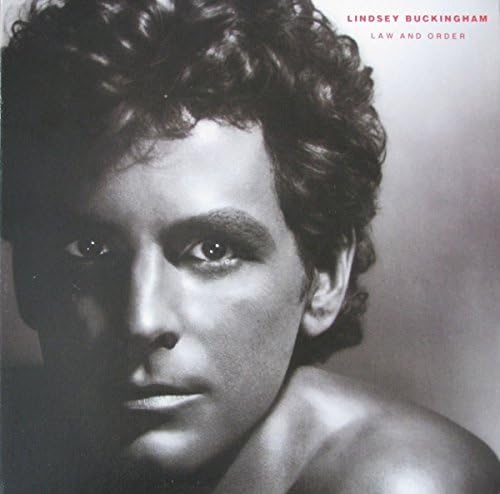
Lindsey Buckingham Law And Order – Available on Amazon
Get Lindsey Buckingham Law and Order on Vinyl or CD at Amazon
Affiliate Disclosure: I am an Amazon affiliate and if you purchase through any Amazon links on this site I may earn a small commission at no extra charge to you. This helps support classicrockartists.com. Thank you for your support!
Table of Contents
Click to expand
Overview of Lindsey Buckingham Law And Order
Lindsey Buckingham Law And Order represents the artist’s first complete statement outside the Fleetwood Mac framework.
Released on September 15, 1981, through Asylum Records, the album demonstrated Buckingham’s multi-instrumental prowess.
He played nearly every instrument on the record, creating a sonic landscape that was both familiar and adventurous.
The production aesthetic leaned heavily into new wave influences while maintaining Buckingham’s signature guitar work.
His approach to songwriting on this album was more experimental than his contributions to Fleetwood Mac Mirage Album.
The album’s title track became its most recognizable song, featuring angular guitar riffs and propulsive rhythms.
Buckingham’s vocal delivery throughout the album showcased a rawer edge than his Fleetwood Mac performances.
The overall sound reflected the early 1980s production trends while maintaining timeless melodic sensibilities.
Critics noted the album’s cohesive vision and Buckingham’s willingness to take creative risks.
The record served as a blueprint for his subsequent solo work throughout the decade.
Buckingham’s guitar techniques on Law and Order influenced countless alternative rock musicians in later years.
The album’s production quality was exceptional, with each layer of instrumentation carefully considered.
His use of studio technology was innovative for the time, incorporating drum machines and synthesizers.
The emotional content ranged from introspective ballads to energetic rockers.
Buckingham’s artistic vision was uncompromised, resulting in a distinctly personal statement.
Recording History and Production
The recording sessions for Lindsey Buckingham Law And Order took place primarily at Buckingham’s home studio.
This intimate setting allowed him complete creative control over every aspect of the production process.
Buckingham served as his own producer, a role he had increasingly embraced during his Fleetwood Mac tenure.
The album was recorded during breaks from Fleetwood Mac activities in 1980 and early 1981.
According to Wikipedia, Buckingham played most of the instruments himself, with minimal outside assistance.
His approach was meticulous, often spending hours perfecting individual guitar parts and vocal harmonies.
The drum programming was handled by Buckingham, who embraced the emerging technology of the era.
He utilized a LinnDrum machine on several tracks, giving them a distinctive mechanical precision.
The guitar tones were achieved through a combination of his signature fingerpicking style and electric experimentation.
Buckingham’s production philosophy emphasized clarity and separation between instrumental elements.
He layered multiple guitar tracks to create dense, textured soundscapes throughout the album.
The vocal arrangements featured intricate harmonies that Buckingham recorded himself in multiple passes.
His engineering choices reflected a desire to create a modern sound while honoring traditional songcraft.
The mixing process was equally detailed, with Buckingham spending considerable time balancing each element.
He worked with engineer Ken Caillat, who had previously collaborated on Fleetwood Mac projects.
The studio environment was deliberately kept small and controlled to maintain artistic focus.
Buckingham’s perfectionist tendencies resulted in numerous takes and revisions of each song.
The final mastering was completed at specialized facilities to ensure optimal sound quality.
The entire recording process reflected Buckingham’s evolution as a self-sufficient artist and producer.
His willingness to experiment with new recording techniques set this album apart from his previous work.
Track-by-Track Highlights of Lindsey Buckingham Law And Order
The opening track “Bwana” immediately establishes the album’s experimental tone with its driving rhythm.
Buckingham’s guitar work on this song is aggressive and angular, setting a bold precedent.
The track features layered vocals that create an almost tribal chant effect.
“Trouble” became one of the album’s standout moments, later explored in depth on Lindsey Buckingham Trouble.
This song showcased Buckingham’s ability to craft infectious pop hooks with sophisticated arrangements.
The chorus is instantly memorable, with a melodic structure that stays with listeners long after.
“Mary Lee Jones” offers a more introspective moment with its acoustic foundation and personal lyrics.
Buckingham’s fingerpicking technique shines on this track, demonstrating his classical guitar influences.
The song builds gradually, adding electric elements that complement the acoustic base.
“I’ll Tell You Now” features a bouncing rhythm and playful vocal delivery.
The production on this track is particularly dense, with multiple guitar overdubs creating a wall of sound.
“September Song” slows the pace with a contemplative ballad structure.
Buckingham’s vocal performance here is tender and vulnerable, revealing emotional depth.
The instrumental arrangement is sparse, allowing the melody and lyrics to take center stage.
The title track “Law and Order” is the album’s centerpiece and most commercially successful song.
Its new wave influences are most apparent here, with synthesizers and programmed drums prominent.
The guitar riff is instantly recognizable and became a signature element of Buckingham’s solo identity.
The lyrics address themes of control and societal structure with clever wordplay.
“Shadow of the West” returns to a more organic sound with live-sounding drums.
The track features some of Buckingham’s most impressive guitar soloing on the album.
His tone is warm and expressive, contrasting with the more mechanical elements elsewhere.
“That’s How We Do It in L.A.” closes the album with an upbeat, almost celebratory feel.
The song captures the energy of the Los Angeles music scene that Buckingham inhabited.
The production is polished yet retains a sense of spontaneity and fun.
Each track on Lindsey Buckingham Law And Order contributes to a cohesive artistic statement.
The sequencing creates a dynamic listening experience with well-placed peaks and valleys.
Chart Performance of Lindsey Buckingham Law And Order
Lindsey Buckingham Law And Order achieved moderate commercial success upon its release.
The album peaked at number 32 on the Billboard 200 chart in the United States.
This performance was respectable for a debut solo effort from a member of an established band.
The title track “Trouble” became the album’s biggest single, reaching number nine on the Billboard Hot 100.
This chart success demonstrated Buckingham’s viability as a solo artist beyond Fleetwood Mac.
The song received significant airplay on both rock and pop radio formats.
MTV also embraced the music video for “Trouble,” giving it regular rotation during the channel’s early years.
The visual presentation helped introduce Buckingham to a younger audience unfamiliar with his Fleetwood Mac work.
In Canada, the album performed similarly, reaching the top 40 on the national charts.
International markets showed varied interest, with stronger performance in territories where Fleetwood Mac was popular.
The album’s sales were solid enough to earn gold certification in the United States.
This achievement validated Buckingham’s decision to pursue solo projects alongside his band commitments.
Radio programmers appreciated the album’s polished production and accessible melodies.
Album-oriented rock stations particularly embraced the deeper cuts beyond the singles.
The commercial performance exceeded Asylum Records’ initial expectations for the project.
Critics noted that the album’s chart success proved Buckingham’s songwriting could stand independently.
The momentum from Law and Order helped establish Buckingham’s solo career trajectory for the 1980s.
Subsequent solo releases would build on the commercial foundation this album established.
The album remained on the charts for several months, demonstrating sustained listener interest.
Concert tours supporting the album were well-attended, further boosting its profile and sales.
Legacy and Cultural Impact
The legacy of Lindsey Buckingham Law And Order extends far beyond its initial chart performance.
The album established Buckingham as a credible solo artist capable of creating compelling work independently.
His production techniques on this record influenced numerous artists in the alternative and indie rock movements.
The combination of organic instrumentation with electronic elements became a template for 1980s production.
Musicians have cited Buckingham’s guitar work on this album as particularly innovative and inspiring.
His fingerpicking style, prominently featured throughout, became a signature sound that others attempted to emulate.
The album demonstrated that Fleetwood Mac members could successfully pursue individual artistic visions.
This paved the way for other band members to release their own solo projects with greater confidence.
The experimental nature of Law and Order showed Buckingham’s willingness to take creative risks.
This adventurous spirit would later inform his work on Fleetwood Mac Tango in the Night.
Critics have retrospectively praised the album for its forward-thinking production choices.
The record sounds remarkably fresh decades after its release, a testament to its timeless qualities.
You can experience the album’s enduring appeal through this YouTube video featuring key tracks.
The album’s influence can be heard in the work of bands like R.E.M. and The Smiths.
Buckingham’s approach to layering guitars and vocals became a studied technique in recording schools.
The album helped define the sound of intelligent pop-rock in the early 1980s.
Its commercial success proved that artistic ambition and mainstream appeal could coexist.
Subsequent Buckingham solo albums would reference the sonic palette established on Law and Order.
The record remains a touchstone for discussions about successful transitions from band to solo work.
Modern reissues have introduced the album to new generations of listeners and musicians.
The album’s cultural impact continues to grow as its innovations are better understood and appreciated.
Listener’s Note
When I first heard this album, I was struck by how different it sounded from Buckingham’s Fleetwood Mac work.
The opening moments of “Bwana” immediately signaled that this was going to be an adventurous listening experience.
I found myself drawn to the intricate guitar work that revealed new details with each listen.
The production felt both intimate and expansive, a difficult balance that Buckingham achieved masterfully.
What impressed me most was how cohesive the album sounded despite being essentially a one-man project.
The emotional range across the tracks kept me engaged from start to finish.
I appreciated how Buckingham wasn’t trying to recreate the Fleetwood Mac sound but was forging his own path.
The title track became an instant favorite, with its infectious energy and clever arrangement.
I noticed how the album rewarded repeated listening, with subtle details emerging over time.
The guitar tones throughout the record were particularly noteworthy, ranging from crystalline to gritty.
I found myself returning to “September Song” whenever I needed a moment of quiet reflection.
The album’s pacing felt deliberate and thoughtful, never rushing or dragging.
I was surprised by how well the electronic elements aged compared to other early 1980s productions.
The vocal harmonies reminded me why Buckingham was such an essential part of Fleetwood Mac’s sound.
I could hear the influence of this album in so much music that came after it.
The album made me appreciate Buckingham’s contributions to his band work even more.
I found the album’s experimental moments balanced perfectly with its accessible pop sensibilities.
Listening to Law and Order remains a rewarding experience that reveals Buckingham’s artistic depth.
Affiliate Disclosure: I am an Amazon affiliate and if you purchase through any Amazon links on this site I may earn a small commission at no extra charge to you. This helps support classicrockartists.com and allows me to keep providing deep-dive content on the legends of rock. Thank you for your support!
Collector’s Corner
For collectors and enthusiasts, Lindsey Buckingham Law And Order offers several interesting variants worth seeking.
The original 1981 vinyl pressing on Asylum Records remains the most desirable format for purists.
These first pressings often feature superior sound quality compared to later reissues.
Japanese pressings are particularly prized for their exceptional manufacturing quality and bonus inserts.
The album was also released on cassette, which was the dominant portable format of the era.
Early CD releases from the mid-1980s are now collectible, though they lack the remastering of later editions.
Some promotional copies included unique cover variations or special inserts for radio stations.
The album artwork itself is distinctive, featuring Buckingham in a contemplative pose that reflects the music’s introspective nature.
Signed copies occasionally appear on the collector’s market and command premium prices.
Modern vinyl reissues have been released, offering improved pressing quality for contemporary turntables.
Digital remasters have made the album more accessible while preserving its original sonic character.
For those looking to add this essential album to their collection, Amazon offers various formats including vinyl, CD, and digital downloads.
The availability of multiple formats ensures that listeners can experience the album in their preferred medium.
Collectors should note that condition is crucial for vinyl copies, as the album’s quiet passages reveal surface noise.
Original promotional materials, including posters and press kits, are rare but occasionally surface at auctions.
The album represents an important piece of rock history and deserves a place in any serious collection.
FAQ About Lindsey Buckingham Law And Order
When was Lindsey Buckingham Law And Order released?
Lindsey Buckingham Law And Order was released on September 15, 1981.
The album came out through Asylum Records, Buckingham’s label at the time.
It marked his first solo album release while still being an active member of Fleetwood Mac.
Did Lindsey Buckingham play all the instruments on Law And Order?
Buckingham played the vast majority of instruments on the album himself.
He handled guitars, bass, keyboards, and programmed most of the drum parts.
A few tracks featured additional musicians, but the album was predominantly a solo effort.
This approach gave Buckingham complete creative control over the final sound.
What was the biggest hit from Lindsey Buckingham Law And Order?
The song “Trouble” became the album’s biggest commercial success.
It reached number nine on the Billboard Hot 100 chart in 1981.
The track received extensive radio airplay and MTV rotation.
Its success helped establish Buckingham as a viable solo artist beyond his Fleetwood Mac identity.
How does Law And Order compare to Buckingham’s work with Fleetwood Mac?
Law And Order is more experimental and new wave-influenced than most Fleetwood Mac material.
The album allowed Buckingham to explore sounds and production techniques that wouldn’t fit the band’s aesthetic.
While maintaining his signature guitar style, the solo work featured more electronic elements and programmed drums.
The album represents a more personal artistic vision compared to the collaborative nature of Fleetwood Mac records.
You Might Also Like
Lindsey Buckingham Go Insane (1984)
Explore Buckingham’s follow-up solo single that continued his experimental approach to pop-rock songwriting.
Fleetwood Mac Go Your Own Way (1977)
Discover the story behind one of Buckingham’s most powerful contributions to Fleetwood Mac during the Rumours era.
Fleetwood Mac 1975 Album
Revisit the album that introduced Buckingham to the Fleetwood Mac lineup and changed the band’s direction forever.
The Lindsey Buckingham Law And Order album remains an essential listen for anyone interested in the evolution of intelligent pop-rock and the artistic development of one of rock’s most innovative guitarists and producers.