

The Christine McVie 1984 album stands as a defining moment in the career of Fleetwood Mac’s beloved keyboardist and vocalist, showcasing her ability to craft sophisticated pop-rock outside the confines of her legendary band.
Released during a period when Fleetwood Mac members were exploring solo ventures, this self-titled effort demonstrated McVie’s songwriting prowess and her capacity to collaborate with top-tier musicians beyond her usual creative partners.
The album arrived at a pivotal time in the mid-1980s music landscape, blending McVie’s classic melodic sensibilities with contemporary production techniques that defined the era.
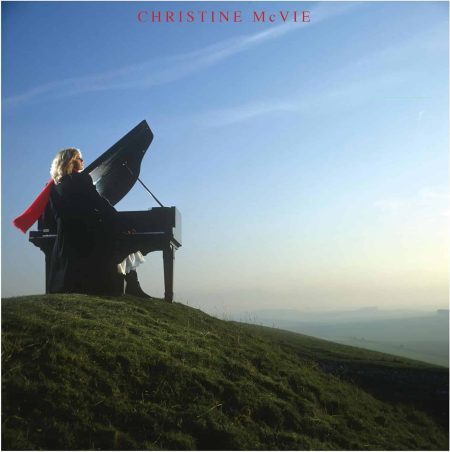
Christine Mcvie 1984 album – Available on Amazon
Get Christine McVie Solo Album 1984 on Vinyl or CD at Amazon
Affiliate Disclosure: I am an Amazon affiliate and if you purchase through any Amazon links on this site I may earn a small commission at no extra charge to you. This helps support classicrockartists.com. Thank you for your support!
Table of Contents
Overview of Christine Mcvie 1984 album
Christine McVie’s 1984 self-titled album represented her second solo venture, following her 1970 debut released under her maiden name Christine Perfect.
The album showcased a departure from the organic, band-oriented sound of Fleetwood Mac, embracing the polished production aesthetics that dominated mid-1980s radio.
McVie assembled an impressive roster of collaborators, including Steve Winwood, Eric Clapton, and Todd Sharp, bringing diverse musical perspectives to her compositions.
The record balanced McVie’s signature melodic warmth with contemporary synthesizer textures and drum programming that characterized the era’s production trends.
Unlike the emotionally turbulent narratives that defined Fleetwood Mac You Make Loving Fun during the Rumours sessions, this solo effort explored more optimistic romantic themes.
The album’s sonic palette reflected McVie’s willingness to experiment while maintaining the melodic sophistication that made her one of rock’s most respected songwriters.
Warner Bros. Records released the album in January 1984, positioning it to capitalize on the continued commercial success of Fleetwood Mac’s brand.
The production values emphasized clarity and radio-friendly arrangements, with each instrument occupying its own sonic space in the mix.
McVie’s vocals remained the centerpiece throughout, her distinctive contralto delivering each lyric with understated emotional intelligence.
Recording History and Production
The Christine McVie 1984 album was recorded primarily in Los Angeles during 1983, utilizing state-of-the-art studio technology available at the time.
Producer Russ Titelman, known for his work with James Taylor and George Harrison, brought a sophisticated pop sensibility to the project.
The recording sessions benefited from McVie’s established relationships within the music industry, allowing her to recruit exceptional talent for specific tracks.
Steve Winwood’s contributions proved particularly significant, co-writing several songs and providing keyboards and vocals that complemented McVie’s style perfectly.
Eric Clapton added guitar work to select tracks, bringing his blues-inflected phrasing to McVie’s pop-oriented compositions.
The production approach differed markedly from the collaborative democracy that characterized Fleetwood Mac Mirage Album sessions two years earlier.
According to Wikipedia’s documentation of the album, the recording process allowed McVie complete creative control over her musical vision.
Drum programming and synthesizers featured prominently, reflecting the technological shift occurring in popular music production during the early 1980s.
The studio environment provided McVie freedom to explore musical directions that might not have fit within Fleetwood Mac’s established sound.
Titelman’s production emphasized vocal clarity and melodic hooks, ensuring each song possessed immediate commercial appeal.
The mixing process balanced vintage warmth with modern precision, creating a sonic signature that sounded contemporary without sacrificing timeless qualities.
Session musicians brought technical excellence to the recordings, executing McVie’s arrangements with professional polish.
The album’s sonic character reflected a deliberate attempt to position McVie as a solo artist capable of commercial success independent of her band affiliation.
Track-by-Track Highlights of Christine Mcvie 1984 album
The album opens with “Love Will Show Us How,” a mid-tempo track featuring Steve Winwood that establishes the record’s optimistic romantic tone.
The song’s arrangement builds gradually, layering synthesizers and guitars to create a lush sonic backdrop for McVie’s vocals.
“The Challenge” follows, showcasing McVie’s piano work alongside contemporary production elements that defined 1984’s radio landscape.
This track demonstrated her ability to craft compelling melodies within the constraints of commercial pop formatting.
The standout single Christine McVie Got a Hold on Me became the album’s biggest commercial success, reaching the top ten on multiple charts.
Its infectious chorus and polished production exemplified McVie’s talent for creating radio-friendly material without compromising artistic integrity.
“Who’s Dreaming This Dream” features Eric Clapton’s guitar work, adding bluesy textures to McVie’s sophisticated pop composition.
The collaboration between these two British music legends produced one of the album’s most musically interesting moments.
“One in a Million” slows the tempo, allowing McVie’s emotive vocal delivery to take center stage over sparse instrumental accompaniment.
This ballad showcased her ability to convey vulnerability and strength simultaneously, a quality that defined her best work.
“Ask Anybody” returns to uptempo territory, driven by programmed drums and layered keyboards that create an energetic foundation.
The song’s arrangement reflects the influence of contemporary pop production while maintaining McVie’s melodic sensibilities.
“The Smile I Live For” features another collaboration with Steve Winwood, their voices blending seamlessly on the chorus.
This track highlighted the natural chemistry between the two musicians, both veterans of British rock’s most successful acts.
“I’m the One” showcases McVie’s piano playing prominently, grounding the electronic production elements with organic instrumentation.
The balance between traditional and contemporary sounds represented the album’s overall aesthetic approach.
“So Sincere” closes the album with a reflective tone, McVie’s vocals conveying genuine emotion over understated musical backing.
The final track provided a satisfying conclusion to an album that successfully balanced commercial appeal with artistic credibility.
Chart Performance of Christine Mcvie 1984 album
The Christine McVie 1984 album achieved respectable commercial success, reaching number 26 on the Billboard 200 chart in the United States.
This performance demonstrated that McVie possessed commercial viability as a solo artist, though not matching Fleetwood Mac’s blockbuster sales figures.
The lead single “Got a Hold on Me” became the album’s biggest hit, peaking at number 10 on the Billboard Hot 100.
This top ten placement marked McVie’s highest-charting solo single, validating her decision to pursue independent projects.
The song also performed well on adult contemporary radio, reaching number 4 on that format’s chart.
Follow-up single “Love Will Show Us How” achieved moderate success, reaching number 30 on the Hot 100.
While not matching the first single’s performance, it demonstrated the album contained multiple commercially viable tracks.
In the United Kingdom, the album’s chart performance proved more modest, reflecting different musical tastes in McVie’s home country.
The album’s commercial trajectory benefited from McVie’s established reputation and the quality of the material itself.
Radio programmers embraced the singles, recognizing McVie’s name value and the songs’ compatibility with contemporary formats.
The album achieved gold certification in the United States, indicating sales exceeding 500,000 copies.
This commercial achievement positioned the record as a successful solo venture, even if it didn’t reach platinum status.
The chart performance compared favorably to other Fleetwood Mac members’ solo efforts during the same period.
MTV provided moderate support for the album’s videos, though the visual medium never became McVie’s primary promotional vehicle.
Legacy and Cultural Impact
The Christine McVie 1984 album occupies a unique position in the artist’s catalog, representing her most commercially successful solo statement.
The record demonstrated that McVie could function effectively outside Fleetwood Mac’s collaborative framework while maintaining her artistic identity.
Critics generally praised the album for its melodic sophistication and polished production, though some noted it lacked the raw emotional power of Fleetwood Mac’s best work.
The album’s influence can be heard in subsequent pop-rock releases that balanced contemporary production with classic songwriting values.
McVie’s approach to solo work differed significantly from the experimental direction explored in Fleetwood Mac Tusk Album, favoring accessibility over avant-garde tendencies.
The album’s success encouraged McVie to continue balancing solo projects with her Fleetwood Mac commitments throughout the 1980s.
Retrospective assessments have been kind to the album, recognizing its quality even as musical fashions have changed dramatically since 1984.
The collaboration with Steve Winwood proved particularly fruitful, their musical partnership producing some of the album’s strongest material.
Fans can experience the album’s sound through this YouTube presentation that captures its distinctive character.
The record’s production aesthetic influenced McVie’s contributions to Fleetwood Mac’s subsequent album, bringing contemporary elements to the band’s sound.
The album demonstrated McVie’s versatility as a musician, proving she could adapt to changing musical trends without abandoning her core strengths.
Modern listeners discovering the album often appreciate its time-capsule quality, capturing a specific moment in 1980s pop-rock evolution.
The record’s legacy extends beyond its commercial performance, representing an important chapter in McVie’s artistic development.
The album’s influence on McVie’s later work with Fleetwood Mac became evident in tracks like Fleetwood Mac Little Lies, which shared similar production sensibilities.
Listener’s Note
When I first heard this album, I was struck by how different it sounded from the Fleetwood Mac records I had grown up loving.
The synthesizers and drum machines initially seemed jarring compared to the organic warmth of Rumours or Tusk.
But repeated listens revealed the essential Christine McVie qualities that made her such a vital songwriter: impeccable melody, emotional honesty, and sophisticated harmonic sense.
“Got a Hold on Me” became an instant favorite, its infectious energy impossible to resist despite the very 1980s production.
I found myself appreciating McVie’s willingness to embrace contemporary sounds rather than retreating into nostalgia or attempting to recreate past glories.
The collaborations with Steve Winwood particularly resonated, their voices blending beautifully on tracks like “The Smile I Live For.”
What impressed me most was how McVie maintained her artistic identity while working within the commercial pop framework of mid-1980s radio.
The album never feels cynical or calculated, despite its obvious commercial aspirations.
Each song contains genuine emotion and craftsmanship, qualities that transcend the dated production elements.
Listening to this album alongside Fleetwood Mac Tango in the Night reveals how McVie’s solo experiments influenced the band’s subsequent direction.
I’ve come to view this record as an essential piece of McVie’s artistic journey, documenting her evolution as a songwriter and performer.
The album rewards patient listening, revealing subtle details and melodic nuances that aren’t immediately apparent on first exposure.
For anyone who appreciates McVie’s work with Fleetwood Mac, this solo effort provides valuable insight into her creative process and musical influences.
Affiliate Disclosure: I am an Amazon affiliate and if you purchase through any Amazon links on this site I may earn a small commission at no extra charge to you. This helps support classicrockartists.com and allows me to keep providing deep-dive content on the legends of rock. Thank you for your support!
Collector’s Corner
The original 1984 vinyl pressing of Christine McVie’s self-titled album remains highly collectible among fans of the artist and Fleetwood Mac enthusiasts.
First pressings on Warner Bros. Records feature distinctive label designs and packaging that appeal to serious collectors.
The album has been reissued on CD multiple times, with varying sound quality depending on the mastering approach used.
Some reissues include bonus tracks or alternate mixes, though the original album sequence remains the definitive listening experience.
Vinyl copies in excellent condition command premium prices, particularly those with original inner sleeves and inserts intact.
The album’s cover artwork, featuring a glamorous portrait of McVie, has become iconic among collectors of 1980s rock memorabilia.
Promotional copies sent to radio stations often feature unique label variations that increase their collectibility.
For those seeking the best audio quality, the original vinyl pressing generally offers superior sound compared to early CD transfers.
Add this essential Christine McVie album to your collection through Amazon, where various formats remain available for purchase.
The album pairs well with other Fleetwood Mac solo projects from the era, creating a comprehensive picture of the band members’ individual artistic visions.
Collectors should verify pressing details and condition carefully when purchasing vintage copies, as wear and storage conditions significantly affect value.
FAQ About Christine Mcvie 1984 album
Was the Christine McVie 1984 album her first solo record?
No, Christine McVie released her first solo album in 1970 under her maiden name Christine Perfect, before joining Fleetwood Mac.
The 1984 self-titled album represented her return to solo work after more than a decade focused primarily on Fleetwood Mac.
This second solo effort benefited from her established reputation and access to high-profile collaborators unavailable to her in 1970.
Who played on the Christine McVie 1984 album?
The album featured an impressive roster of guest musicians including Steve Winwood, Eric Clapton, and Todd Sharp.
Steve Winwood co-wrote several tracks and provided keyboards and vocals throughout the record.
Eric Clapton contributed guitar work to specific songs, adding his distinctive blues-influenced style to McVie’s pop compositions.
Session musicians handled drums, bass, and additional instrumentation, bringing professional polish to the recordings.
Did any Fleetwood Mac members appear on the album?
No Fleetwood Mac members performed on the Christine McVie 1984 album, marking a deliberate departure from her band work.
McVie chose to collaborate with musicians outside her usual creative circle, seeking fresh perspectives and different musical approaches.
This decision allowed her to establish a distinct solo identity separate from Fleetwood Mac’s established sound and dynamics.
The absence of bandmates gave McVie complete creative control over the album’s direction and final sound.
How did the album influence Fleetwood Mac’s later work?
The contemporary production techniques McVie explored on this solo album influenced Fleetwood Mac’s approach to their next studio record.
Elements like synthesizers and programmed drums became more prominent in the band’s sound on subsequent releases.
McVie’s successful integration of modern production with classic songwriting provided a template for the band’s evolution.
The polished pop sensibility of tracks like Fleetwood Mac Everywhere reflected lessons learned during the solo album sessions.
You Might Also Like
Lindsey Buckingham Christine McVie Album
Explore the collaborative album between Christine McVie and her longtime Fleetwood Mac partner Lindsey Buckingham, showcasing their enduring creative chemistry.
Fleetwood Mac 1975 Album
Discover the album that introduced Christine McVie to American audiences and launched Fleetwood Mac’s most successful era.
Fleetwood Mac The Dance Album
Experience the triumphant 1997 reunion that brought Christine McVie back together with the classic Fleetwood Mac lineup for an unforgettable live performance.
The Christine McVie 1984 album remains an essential document of one of rock’s most talented songwriters stepping confidently into the solo spotlight, balancing commercial appeal with artistic integrity in a way that few artists of the era managed to achieve.