
Released in February 1992, the Alice in Chains SAP EP arrived as a haunting interlude between the band’s breakthrough debut and their monumental sophomore album.
This five-track acoustic-driven collection showcased a vulnerable side of the Seattle grunge giants that few expected.
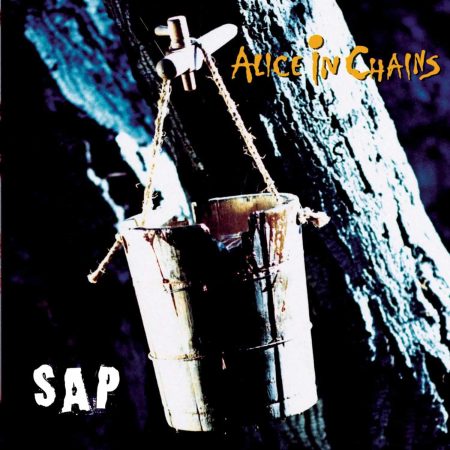
Alice in Chains SAP – Available on Amazon
Get Alice in Chains SAP EP (1992) on Amazon
Affiliate Disclosure: I am an Amazon affiliate and if you purchase through any Amazon links on this site I may earn a small commission at no extra charge to you. This helps support classicrockartists.com. Thank you for your support!
The Alice in Chains SAP release demonstrated the band’s willingness to experiment beyond the heavy riffs that defined their sound.
Coming off the success of Alice in Chains Facelift (1990), the band took a bold creative risk with this intimate EP.
The title itself, SAP, stood as both an acronym and a statement about the raw emotional content within.
Table of Contents
Overview of Alice in Chains SAP
The Alice in Chains SAP EP represented a dramatic departure from the band’s established sonic template.
While their debut album had established them as masters of heavy, sludgy grunge, this release explored quieter territories.
The EP featured five tracks that emphasized acoustic instrumentation and vocal harmonies.
Jerry Cantrell and Layne Staley’s vocal interplay reached new heights of emotional resonance on these recordings.
The band enlisted several guest musicians to enhance the acoustic textures throughout the EP.
Ann Wilson and Nancy Wilson from Heart contributed backing vocals to several tracks.
This collaboration brought a Pacific Northwest rock royalty stamp of approval to the project.
The EP’s stripped-down approach allowed the darkness of the lyrics to shine through with greater clarity.
Themes of isolation, addiction, and emotional pain permeated every song on the release.
The production choices emphasized intimacy over aggression, creating an unsettling vulnerability.
This artistic direction would later influence the band’s approach to Alice in Chains Jar of Flies (1994), their fully acoustic EP.
Recording History and Production
The Alice in Chains SAP sessions took place at London Bridge Studio in Seattle during late 1991.
The band worked with producer Rick Parashar, who had previously helmed Pearl Jam’s Ten.
Dave Jerden, who produced Facelift, was not involved in these particular sessions.
The recording process was notably quick, with most tracks captured in just a few takes.
This spontaneous approach preserved the raw emotional quality the band sought.
According to Wikipedia, the EP was recorded between tours supporting their debut album.
The band members were exhausted from constant touring but channeled that weariness into the performances.
Jerry Cantrell brought several acoustic compositions he had been developing on the road.
The studio environment allowed for experimentation with layered vocal harmonies and subtle instrumentation.
Mike Inez had not yet joined the band, so Mike Starr played bass on all tracks.
Sean Kinney’s drumming took on a more restrained, jazz-influenced quality throughout the EP.
The Wilson sisters’ involvement came through their friendship with the band and mutual respect.
Their harmonies added a haunting dimension that complemented Staley and Cantrell’s voices perfectly.
The production emphasized space and dynamics rather than the wall-of-sound approach of grunge.
This created an eerie, almost chamber-music quality to several tracks.
Track-by-Track Highlights of Alice in Chains SAP
The EP opens with “Brother,” a gentle acoustic piece featuring the Wilson sisters prominently.
The song’s lyrics explore themes of familial connection and unconditional support.
Cantrell’s fingerpicked guitar work establishes the intimate tone immediately.
The vocal harmonies between Staley, Cantrell, and the Wilson sisters create an almost gospel-like atmosphere.
“Got Me Wrong” became the EP’s most commercially successful track.
This song features a more upbeat tempo compared to the other tracks.
The lyrics deal with misunderstanding and the frustration of being misjudged.
Staley’s vocal delivery shifts between vulnerable verses and defiant choruses.
The track would later gain renewed attention through its inclusion on MTV Unplugged.
“Right Turn” stands as the EP’s most experimental composition.
The song features guest vocals from Chris Cornell of Soundgarden and Mark Arm of Mudhoney.
This Seattle supergroup collaboration was credited to “Alice Mudgarden.”
The track’s droning, hypnotic quality creates a meditative yet unsettling mood.
Cornell’s distinctive wail blends seamlessly with Staley’s tortured vocals.
“Am I Inside” showcases some of the darkest lyrical content on the EP.
The song explores themes of self-doubt and existential questioning.
Cantrell’s guitar work incorporates subtle Eastern influences in the melodic phrasing.
The track builds gradually from whispered verses to anguished climaxes.
The EP closes with “Love Song,” a brief but devastating finale.
Despite its title, the lyrics drip with bitter irony and emotional pain.
The stripped-down arrangement features just acoustic guitar and layered vocals.
This closing track leaves listeners in a state of emotional rawness.
Chart Performance of Alice in Chains SAP
The Alice in Chains SAP EP achieved impressive commercial success for an experimental release.
It debuted on the Billboard 200 chart in March 1992.
The EP eventually peaked at number 27 on the Billboard 200.
This performance was remarkable considering the acoustic nature of the material.
The release was certified Gold by the RIAA within a year of its release.
It later achieved Platinum certification, selling over one million copies in the United States.
“Got Me Wrong” received significant airplay on alternative rock radio stations.
The song charted on the Billboard Mainstream Rock Tracks chart.
Its popularity increased substantially after the band’s MTV Unplugged performance in 1996.
The EP’s success helped build anticipation for Alice in Chains Dirt (1992), released later that year.
Critics praised the band’s willingness to explore softer dynamics without losing their edge.
The commercial performance proved that Alice in Chains fans appreciated artistic experimentation.
The EP remained on the charts for several months, demonstrating sustained interest.
International sales were also strong, particularly in Canada and Australia.
Legacy and Cultural Impact
The Alice in Chains SAP EP established a template for acoustic grunge that influenced countless bands.
It demonstrated that heavy bands could explore vulnerability without sacrificing authenticity.
The EP paved the way for MTV Unplugged sessions that became defining moments for grunge bands.
Nirvana, Pearl Jam, and Stone Temple Pilots all followed with their own acoustic explorations.
The collaboration with Heart’s Wilson sisters bridged generational gaps in Seattle rock.
This connection highlighted the continuity of the Pacific Northwest music scene.
The “Alice Mudgarden” collaboration on “Right Turn” became legendary among grunge fans.
It represented the collaborative spirit that defined the Seattle music community.
The EP’s success gave the band confidence to pursue the fully acoustic Alice in Chains Jar of Flies (1994).
That subsequent release became the first EP to debut at number one on the Billboard 200.
Music critics have retrospectively recognized SAP as a pivotal moment in the band’s evolution.
The EP showcased the songwriting depth that would define their entire catalog.
Fans can experience the haunting beauty of these tracks through this YouTube playlist featuring the complete EP.
The emotional honesty of SAP influenced the confessional songwriting that became prevalent in alternative rock.
Modern acoustic rock bands still cite this EP as a formative influence.
Listener’s Note
When I first heard this album in 1992, I was completely unprepared for its emotional intensity.
I had expected something closer to the heavy sound of Facelift.
Instead, I encountered a band willing to strip away all pretense and expose raw vulnerability.
The opening notes of “Brother” immediately established a different atmosphere.
I remember being struck by how the Wilson sisters’ voices complemented Layne Staley’s perfectly.
There was something almost sacred about the harmonies they created together.
“Got Me Wrong” became a personal anthem during a difficult period in my life.
The lyrics about being misunderstood resonated deeply with my own experiences.
I played that track repeatedly, finding new layers of meaning with each listen.
The “Alice Mudgarden” collaboration on “Right Turn” felt like witnessing something historic.
Hearing Chris Cornell’s voice blend with Layne Staley’s created goosebumps.
These were two of the greatest rock vocalists of the era on one track.
The EP’s brevity worked in its favor, leaving me wanting more rather than feeling exhausted.
I often played it on repeat, letting the entire sequence wash over me multiple times.
Years later, this EP still holds up as one of the most emotionally honest releases of the grunge era.
Affiliate Disclosure: I am an Amazon affiliate and if you purchase through any Amazon links on this site I may earn a small commission at no extra charge to you. This helps support classicrockartists.com and allows me to keep providing deep-dive content on the legends of rock. Thank you for your support!
Collector’s Corner
The original 1992 CD release of the Alice in Chains SAP EP has become a sought-after collector’s item.
First pressings featured distinctive artwork that differs slightly from later reissues.
The vinyl release is particularly prized among collectors for its superior sound quality.
The acoustic nature of the recordings translates beautifully to the analog format.
Several limited edition colored vinyl variants have been released over the years.
These special editions often command premium prices in the secondary market.
The EP has been included in various box sets chronicling the band’s career.
These compilations often feature remastered versions with enhanced audio clarity.
For those looking to add this essential EP to their collection, Amazon offers various formats.
Purchase Alice in Chains SAP on vinyl, CD, or digital format through Amazon to experience these haunting acoustic performances.
The EP pairs perfectly with the band’s later acoustic work for a complete listening experience.
Owning both SAP and Jar of Flies provides insight into the band’s acoustic evolution.
FAQ About Alice in Chains SAP
What does SAP stand for in the Alice in Chains EP title?
The acronym SAP officially stands for “Sarcastic Acronym Pending” according to the band.
However, it also references the emotional rawness and vulnerability of the material.
The word “sap” suggests someone who is overly sentimental or emotional.
This dual meaning reflects the band’s tendency toward dark humor alongside genuine emotion.
Who are the guest musicians on the Alice in Chains SAP EP?
Ann Wilson and Nancy Wilson from Heart provide backing vocals on several tracks.
Chris Cornell of Soundgarden and Mark Arm of Mudhoney appear on “Right Turn.”
This collaboration was credited to the fictional supergroup “Alice Mudgarden.”
These guest appearances added significant prestige and musical depth to the EP.
How does SAP compare to Alice in Chains’ other acoustic work?
SAP served as the experimental precursor to the more polished Jar of Flies EP.
While SAP features five tracks with a raw, intimate quality, Jar of Flies expanded the concept.
The later EP incorporated more diverse instrumentation and production techniques.
Both releases demonstrate the band’s mastery of dynamics and emotional expression beyond heavy rock.
The approach established on SAP influenced Alice in Chains Self Titled Album (1995), which balanced acoustic and electric elements.
Why was the Alice in Chains SAP EP so commercially successful?
The EP arrived at a perfect moment when alternative rock was gaining mainstream acceptance.
Fans appreciated the band’s willingness to show vulnerability and artistic range.
The acoustic format made the music accessible to listeners who might have found Facelift too heavy.
Strong word-of-mouth and critical acclaim helped drive sales beyond initial expectations.
You Might Also Like
Alice in Chains Members: Complete Story & Where Are They Now
Explore the complete history of all Alice in Chains members and discover where they are today.
Alice in Chains Rooster: Jerry Cantrell’s Letter to His Father
Discover the powerful story behind one of Alice in Chains’ most emotionally resonant songs.
Alice in Chains Black Gives Way to Blue (2009)
Read about the band’s triumphant return after years of silence following Layne Staley’s death.
The Alice in Chains SAP EP remains an essential document of grunge’s acoustic side and a testament to the band’s artistic courage.