

When Jerry Cantrell stepped away from Alice in Chains to record his debut solo album, Jerry Cantrell Boggy Depot emerged as a powerful statement of artistic independence and creative vision.
Released in 1998 during a period of uncertainty for Alice in Chains, this album showcased Cantrell’s ability to craft compelling rock music beyond the confines of his legendary band.
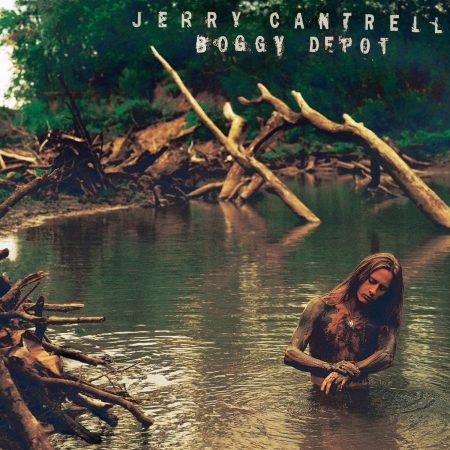
Jerry Cantrell Boggy Depot – Available on Amazon
Get Jerry Cantrell Boggy Depot (1998) on Amazon
Affiliate Disclosure: I am an Amazon affiliate and if you purchase through any Amazon links on this site I may earn a small commission at no extra charge to you. This helps support classicrockartists.com. Thank you for your support!
The album arrived at a crucial moment when grunge’s commercial peak had passed but its artistic influence remained potent.
Cantrell had already proven himself as one of rock’s most distinctive guitarists and songwriters through his work on Alice in Chains Dirt (1992), and this solo venture allowed him to explore new sonic territories.
The album’s title referenced Boggy Depot, Oklahoma, a small town near where Cantrell’s father grew up, connecting the music to his family roots.
Table of Contents
Overview of Jerry Cantrell Boggy Depot
Jerry Cantrell Boggy Depot represents a fascinating chapter in the guitarist’s career, bridging the gap between Alice in Chains’ established sound and his personal artistic ambitions.
The album features thirteen tracks that blend heavy rock, acoustic introspection, and experimental textures.
Cantrell handled all guitar work and lead vocals, a departure from sharing vocal duties with Layne Staley.
His voice carries a weathered quality that perfectly complements the album’s themes of isolation, struggle, and redemption.
The musical approach maintains the heavy, sludgy guitar tones Alice in Chains fans expected while incorporating more diverse influences.
Country, blues, and Southern rock elements surface throughout the album, reflecting Cantrell’s Oklahoma heritage.
The production emphasizes raw power over polish, creating an authentic and immediate listening experience.
Cantrell assembled an impressive roster of collaborators, including members of Primus, Pantera, and Faith No More.
This collaborative spirit brought fresh energy to the sessions while maintaining Cantrell’s singular vision.
The album artwork featured stark, desert imagery that reinforced the album’s themes of desolation and perseverance.
Recording History and Production
The recording of Jerry Cantrell Boggy Depot began in 1997 at various studios in Los Angeles and Seattle.
Cantrell produced the album alongside Toby Wright, who had previously worked on Alice in Chains Self Titled Album (1995).
Wright’s familiarity with Cantrell’s sonic preferences helped create a comfortable creative environment.
The sessions took place during a difficult period for Alice in Chains, as Layne Staley’s struggles with addiction had effectively put the band on hiatus.
Rather than waiting indefinitely, Cantrell channeled his creative energy into this solo project.
Les Claypool of Primus played bass on several tracks, bringing his distinctive playing style to songs like “Dickeye.”
Rex Brown from Pantera contributed bass to other tracks, adding a different flavor to the low-end foundation.
Mike Bordin of Faith No More handled drums on most of the album, providing powerful and precise rhythmic support.
According to Wikipedia, the album was recorded at Studio X in Seattle and Ocean Studios in Burbank.
Cantrell wrote all the material himself, demonstrating his complete command of songwriting without collaborative input.
The recording process allowed Cantrell to experiment with arrangements and sounds that might not have fit Alice in Chains’ aesthetic.
He layered multiple guitar tracks to create dense, textured soundscapes that showcased his technical abilities.
The production emphasized organic sounds over digital manipulation, maintaining a live feel throughout.
Cantrell’s vocal performances were captured with minimal processing, highlighting the emotional rawness of his delivery.
The mixing process balanced the album’s heavy moments with its quieter, more introspective passages.
Track-by-Track Highlights of Jerry Cantrell Boggy Depot
The album opens with “Dickeye,” a thunderous rocker featuring Les Claypool’s unmistakable bass work.
The song establishes the album’s heavy credentials immediately, with crushing riffs and aggressive vocals.
“Cut You In” became the album’s lead single, showcasing Cantrell’s gift for memorable hooks.
The track features a driving rhythm and a chorus that burrows into the listener’s consciousness.
Its music video received significant airplay on MTV, helping introduce Cantrell as a solo artist.
“My Song” slows the pace with a more contemplative approach, featuring acoustic guitars and introspective lyrics.
The song demonstrates Cantrell’s versatility beyond heavy rock, recalling the acoustic moments from Alice in Chains Jar of Flies (1994).
“Settling Down” continues the mellower vibe with country-tinged guitars and reflective vocals.
This track reveals Cantrell’s Southern roots more explicitly than most of his Alice in Chains work.
“Breaks My Back” returns to heavier territory with a grinding riff and aggressive delivery.
The song’s dynamics shift between crushing verses and slightly more open choruses.
“Jesus Hands” stands as one of the album’s most powerful tracks, both musically and lyrically.
The song builds from a quiet introduction to a massive, cathartic climax.
Cantrell’s guitar work on this track ranks among his finest solo performances.
“Devil by His Side” features a bluesy swagger that sets it apart from the album’s heavier moments.
The track’s groove-oriented approach showcases Cantrell’s rhythmic sensibilities.
“Keep the Light On” offers another acoustic-based composition with heartfelt vocals.
The song’s vulnerability contrasts effectively with the album’s more aggressive material.
“Satisfy” brings back the heavy riffs with a vengeance, featuring some of the album’s most intense guitar work.
“Hurt a Long Time” explores mid-tempo territory with a memorable melodic hook.
The song’s emotional weight comes through in Cantrell’s vocal delivery.
“Between” serves as a brief instrumental interlude, showcasing Cantrell’s atmospheric guitar textures.
“Cold Piece” returns to full-band arrangements with a driving, relentless energy.
The album closes with “Crazy or Not,” a fitting conclusion that balances heaviness with melody.
The final track leaves listeners with a sense of completion while wanting more.
Chart Performance of Jerry Cantrell Boggy Depot
Jerry Cantrell Boggy Depot debuted at number 28 on the Billboard 200 chart in April 1998.
This respectable chart position demonstrated Cantrell’s drawing power as a solo artist.
The album sold approximately 46,000 copies in its first week of release.
While not matching Alice in Chains’ commercial heights, these numbers exceeded expectations for a debut solo album from a band member.
The lead single “Cut You In” reached number 5 on the Mainstream Rock Tracks chart.
This strong showing on rock radio helped maintain Cantrell’s visibility during Alice in Chains’ hiatus.
The second single “My Song” also charted, though it didn’t achieve the same level of success.
The album performed particularly well in markets where Alice in Chains had strong followings.
Seattle radio stations embraced the album enthusiastically, supporting their hometown hero’s solo venture.
By the end of 1998, the album had sold over 150,000 copies in the United States.
International sales added to the album’s overall success, particularly in Europe and Japan.
The album’s commercial performance validated Cantrell’s decision to pursue solo work.
Critics generally praised the album, noting Cantrell’s ability to maintain his signature sound while exploring new directions.
The positive reception helped establish Cantrell as more than just Alice in Chains’ guitarist.
Legacy and Cultural Impact
Jerry Cantrell Boggy Depot occupies an important place in the late 1990s rock landscape.
The album arrived when many grunge-era musicians were exploring solo projects or new bands.
Cantrell’s approach differed from some contemporaries by maintaining stylistic continuity with his band work.
Rather than drastically reinventing himself, he refined and expanded his established sound.
This authenticity resonated with fans who appreciated the album’s honest, straightforward approach.
The album demonstrated that Cantrell was the primary creative force behind many Alice in Chains songs.
His songwriting, guitar work, and vocal abilities all shone through without the collaborative dynamic of the band.
The project also kept Cantrell’s name in the public consciousness during a difficult period for Alice in Chains.
When the band eventually reunited years later, Cantrell’s solo work had maintained his relevance.
Musicians and critics have cited the album as an underrated gem from the late 1990s.
Its influence can be heard in subsequent solo projects by other band members from the grunge era.
The album’s blend of heavy rock and acoustic introspection became a template for similar projects.
Fans continue to discover the album decades after its release, appreciating its craftsmanship and emotional depth.
You can experience the album’s power through this YouTube video featuring key tracks.
The album paved the way for Cantrell’s second solo album, “Degradation Trip,” released in 2002.
Looking back, Jerry Cantrell Boggy Depot represents an artist confidently stepping into the spotlight alone.
Listener’s Note
When I first heard this album in 1998, I wasn’t sure what to expect from Jerry Cantrell without the full Alice in Chains lineup.
The opening track “Dickeye” immediately put those concerns to rest with its crushing heaviness.
What struck me most was how Cantrell’s voice carried the songs without Layne Staley’s harmonies.
His weathered, earnest delivery brought a different emotional quality to the material.
The album’s pacing impressed me, balancing heavy rockers with quieter, more reflective moments.
Songs like “Jesus Hands” and “My Song” revealed depths to Cantrell’s songwriting I hadn’t fully appreciated before.
The guitar work throughout the album showcased his technical abilities and creative vision.
I found myself returning to tracks like “Cut You In” and “Satisfy” repeatedly, drawn by their memorable hooks.
The album’s production felt raw and immediate, avoiding the over-polished sound that plagued some late-90s rock.
Listening to it now, the album has aged remarkably well compared to many of its contemporaries.
The themes of struggle and perseverance remain timeless and relatable.
I appreciate how Cantrell didn’t try to chase trends or reinvent himself drastically.
Instead, he delivered an honest, powerful rock album that stood on its own merits.
The album deepened my respect for Cantrell as a complete artist, not just a talented guitarist.
It remains a go-to album when I want something heavy yet melodic, aggressive yet thoughtful.
Affiliate Disclosure: I am an Amazon affiliate and if you purchase through any Amazon links on this site I may earn a small commission at no extra charge to you. This helps support classicrockartists.com and allows me to keep providing deep-dive content on the legends of rock. Thank you for your support!
Collector’s Corner
Jerry Cantrell Boggy Depot remains available in various formats for collectors and new listeners alike.
The original CD release features the complete thirteen-track album with full artwork and liner notes.
Vinyl editions have become increasingly sought after by collectors in recent years.
The album’s warm, heavy tones translate particularly well to the vinyl format.
Some pressings include additional artwork and enhanced packaging that appeals to serious collectors.
Digital versions offer convenience while maintaining the album’s sonic integrity.
For those seeking the best listening experience, the remastered editions provide improved clarity and dynamics.
The album pairs well with Cantrell’s follow-up solo work and Alice in Chains releases from the same era.
Owning this album provides essential context for understanding Cantrell’s artistic evolution.
Add Jerry Cantrell Boggy Depot to your collection today through Amazon and experience this underrated classic in its full glory.
FAQ About Jerry Cantrell Boggy Depot
When was Jerry Cantrell Boggy Depot released?
Jerry Cantrell Boggy Depot was released on April 7, 1998.
The album arrived during Alice in Chains’ hiatus due to Layne Staley’s personal struggles.
It marked Cantrell’s first full-length solo release after years of work with Alice in Chains.
Who played on Jerry Cantrell Boggy Depot?
The album featured an impressive roster of guest musicians.
Les Claypool of Primus played bass on several tracks including “Dickeye.”
Rex Brown from Pantera contributed bass to other songs.
Mike Bordin of Faith No More handled drums on most of the album.
Cantrell himself performed all guitars and lead vocals throughout.
What does Boggy Depot mean?
Boggy Depot is a small town in Atoka County, Oklahoma.
The town is located near where Jerry Cantrell’s father grew up.
Cantrell chose the name to honor his family heritage and Oklahoma roots.
The title connects the album’s themes to Cantrell’s personal history and Southern background.
How did Jerry Cantrell Boggy Depot perform commercially?
The album debuted at number 28 on the Billboard 200 chart.
It sold approximately 46,000 copies in its first week.
The lead single “Cut You In” reached number 5 on the Mainstream Rock Tracks chart.
By the end of 1998, the album had sold over 150,000 copies in the United States.
You Might Also Like
Alice in Chains Rooster: Jerry Cantrell’s Letter to His Father
Explore the deeply personal story behind one of Jerry Cantrell’s most powerful compositions, written as a tribute to his father’s Vietnam War experience.
Alice in Chains Facelift (1990)
Discover the album that launched Alice in Chains into the spotlight and established Jerry Cantrell as one of rock’s premier guitarists and songwriters.
Alice in Chains Heaven Beside You (1995): Jerry Cantrell’s Guitar Showcase
Dive into this standout track that highlighted Cantrell’s melodic sensibilities and guitar prowess during Alice in Chains’ self-titled era.
Jerry Cantrell Boggy Depot stands as a testament to one musician’s determination to create meaningful art during uncertain times, delivering a powerful solo debut that continues to resonate with rock fans today.