Alice in Chains Heaven Beside You appeared as the second single from the 1995 self-titled album and revealed a side of Jerry Cantrell that had rarely stood this far forward in the band’s recorded work.
The song stepped back from the slow, crushing pressure of opener Grind and offered something more melodic, more personal, and more openly emotional in its place.

Affiliate Disclosure: As an Amazon Associate I earn from qualifying purchases. This helps support the site at no extra cost to you.
Quick Navigation
- Alice in Chains Heaven Beside You: Cantrell Steps Forward
- The Self-Titled Album’s Second Single
- Written from Personal Pain: A Breakup After Seven Years
- Alice in Chains Heaven Beside You Lyrics and Themes
- The Guitar Work: Cantrell at His Most Melodic
- Alice in Chains Heaven Beside You Charts at Number Three
- Frank Ockenfels III and the Music Video
- Cantrell Sings Lead: A Role Reversal That Changed the Song
- Alice in Chains Heaven Beside You in the Context of 1995 Rock
- Gold Certification and Lasting Legacy
Alice in Chains Heaven Beside You: Cantrell Steps Forward
Alice in Chains Heaven Beside You gave Jerry Cantrell his most prominent vocal role in the band’s catalog to that point, with Cantrell singing lead while Layne Staley moved to harmonies beneath him.
That reversal was a deliberate creative choice, one that gave the song a texture different from anything Alice in Chains had released in the four years since their commercial breakthrough.
In late 1995 and early 1996, rock fans paying close attention would have noticed the shift immediately: this was Cantrell’s song in a way that most Alice in Chains singles had not been.
The complete story of every creative dynamic that shaped the band across every era is in the Alice in Chains complete member story.
The song was released as a single on January 29, 1996, a few months after the self-titled album arrived in November 1995.
The Self-Titled Album’s Second Single
The Alice in Chains self-titled album had opened with Grind’s slow, oppressive riff as its lead single, and Alice in Chains Heaven Beside You followed with something built for a different kind of listener.
Where Grind dug in and refused to move, this song moved, breathed, and opened up a space that the heavier tracks on the record did not provide.
The album had debuted at number one on the Billboard 200 in November 1995, and the success of Heaven Beside You as a follow-up single extended the record’s commercial presence into early 1996.
Both singles showed two distinct faces of the same band: the slow, grinding weight of Grind followed by the melodic, reflective openness of Heaven Beside You.
The pairing gave radio programmers options and gave rock audiences in early 1996 a clear picture of what the album contained.
Written from Personal Pain: A Breakup After Seven Years
Cantrell wrote the lyrics entirely on his own, drawing directly from the end of his seven-year relationship with Courtney Clarke.
In interviews he described the song as a direct response to the breakup, saying he still cared about her but recognized that his nature as a performer had made the relationship impossible to maintain.
That honesty in the source material is audible throughout the song, which carries the specific weight of someone writing about a real loss rather than a general emotional state.
Cantrell and bassist Mike Inez co-wrote the music, with Inez contributing to the chord structure that gives the verse its feeling of reluctant resignation.
The collaboration gave the track a slightly different sonic character from songs where Cantrell worked on the music alone.
Alice in Chains Heaven Beside You Lyrics and Themes
Alice in Chains Heaven Beside You is built around the idea of recognizing that a relationship has ended not because of a single failure but because of who you fundamentally are.
Cantrell’s lyrics describe guilt, genuine care, and the particular helplessness of knowing that you would repeat the same choices if given another chance.
The emotional territory sits in a different place from the addiction themes in Would? and the quiet surrender of Nutshell, but it carries the same refusal to dress the truth in more comfortable language.
The song addresses the person who was left behind rather than placing the narrator at the center as the one suffering most.
That outward turn toward someone else rather than inward gave the song an emotional directness that listeners in 1996 responded to immediately and consistently.
The Guitar Work: Cantrell at His Most Melodic
The guitar arrangement on Alice in Chains Heaven Beside You leans toward melody in a way that contrasts sharply with the riff-driven approach of much of the self-titled album.
Cantrell’s playing across the record showed considerable range, and this track represents the end of that range furthest from the heaviness of songs like Angry Chair.
The mid-tempo arrangement gave the guitar parts room to breathe, and Cantrell used that space to write lines that support the vocal rather than compete with it for attention.
His solo on the track is measured and melodic, built for feeling rather than technical display, which matches the personal stakes of the lyrics precisely.
It is the kind of playing that had been present in the band’s acoustic work on Jar of Flies, filtered back through a full electric arrangement without losing any of its warmth.
Alice in Chains Heaven Beside You Charts at Number Three
Alice in Chains Heaven Beside You reached number three on the Mainstream Rock chart upon its January 1996 release.
That position landed it among the highest-charting rock singles of the winter of 1996, at a moment when grunge’s commercial grip was loosening and the format was diversifying.
The success came without the immediate shock value of earlier band highlights like Man in the Box, which had announced the band in 1991 through raw distorted impact.
Heaven Beside You earned its chart position through a different quality entirely: warmth, regret, and melodic craft that held up across repeated radio plays in a way that heavier material often cannot.
The single was certified gold by the RIAA, confirming that the audience for this side of Alice in Chains was substantially larger than the band’s heaviest work alone could have reached.
Frank Ockenfels III and the Music Video
The music video was directed by Frank W. Ockenfels III, a photographer and director who had built strong visual relationships with rock artists throughout the 1990s.
His approach was more restrained than the surreal puppet imagery that had defined earlier Alice in Chains videos, matching the more direct emotional register of the song.
The Heaven Beside You clip focused on performance and atmosphere, keeping its visual tone in close alignment with the honesty of the lyrics.
It received MTV rotation at a moment when the network’s alternative and rock programming was under considerable competitive pressure from pop and hip-hop formats.
The video helped sustain the single’s commercial momentum through the early months of 1996, extending the album’s profile well past its November 1995 release date.
Cantrell Sings Lead: A Role Reversal That Changed the Song
One of the most notable elements of Alice in Chains Heaven Beside You within the band’s catalog is the vocal arrangement.
Cantrell takes lead vocals throughout, a role that Layne Staley occupied on the vast majority of the band’s recorded output across every album before 1995.
Staley moves to backing and harmony vocals on the track, providing the layered texture that defined Alice in Chains while placing his voice in a supporting role on a major commercial single for the first time.
The pairing of Cantrell lead vocals with Staley harmonies had appeared in acoustic contexts before, including on No Excuses and I Stay Away from the Jar of Flies period.
On a full electric arrangement released as a commercial single, however, the dynamic carried a different weight and gave the song a character that sits apart from every other Alice in Chains single that preceded it.
Alice in Chains Heaven Beside You in the Context of 1995 Rock
Alice in Chains Heaven Beside You arrived at a specific moment when rock radio in early 1996 was absorbing multiple new directions at once.
Post-grunge was beginning to define itself as a genre distinct from the Seattle sound, and melodic, personal rock songs were finding more airplay than they had during grunge’s heaviest commercial years.
The emotional openness of the song fit that shifting landscape more comfortably than Grind, without abandoning the integrity that had defined Down in a Hole and every Alice in Chains recording before it.
Alice in Chains had never chased trends, and this song was not a concession to the changing market: it was what Cantrell needed to write at that specific point in his life.
The fact that it connected commercially was a product of its honesty rather than any effort to engineer a hit single for a changing radio format.
Gold Certification and Lasting Legacy
The gold certification confirmed what chart performance and radio play had already suggested: the song had reached an audience that extended well beyond Alice in Chains’ core rock following.
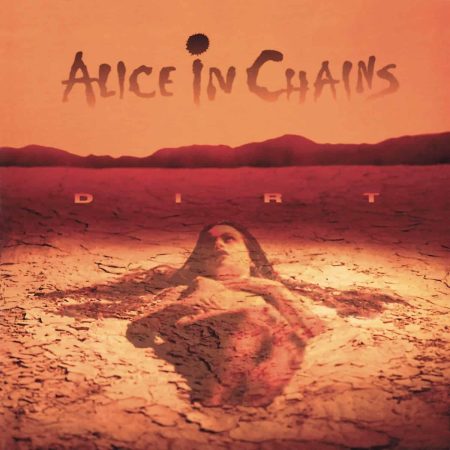
The song continues to appear in discussions of the band’s most emotionally direct recordings, alongside the acoustic material from Jar of Flies and the heavier catalog from Dirt.
It represents a side of Cantrell’s artistry that is less commonly discussed than his riff work, and it rewards attention from anyone willing to sit with it on its own terms.
Thirty years after its release, Alice in Chains Heaven Beside You still sounds like a man standing in the aftermath of something real, telling the truth about it without softening the edges or looking away.