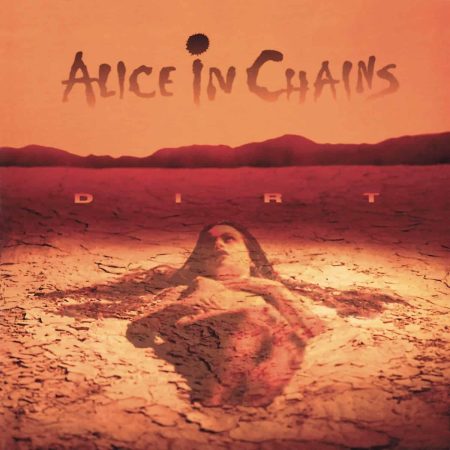

Alice in Chains Grind opens the band’s 1995 self-titled album with a slow, heavy riff that makes clear the acoustic period of Jar of Flies is finished.
The song does not ease you in or offer a gradual approach: it drops the full weight of the band’s sound on the first note and holds it there for the duration.
Affiliate Disclosure: As an Amazon Associate I earn from qualifying purchases. This helps support the site at no extra cost to you.
Quick Navigation
- Alice in Chains Grind: Opening the Self-Titled Album
- The Self-Titled Album and the Weight of 1995
- Jerry Cantrell’s Riff and the Slow Crush of Sound
- Alice in Chains Grind Lyrics: What the Song Is About
- Recording the Album Around Layne Staley’s Condition
- Alice in Chains Grind Hits Number One
- Mark Pellington and the Music Video
- The Self-Titled Album: A Different Kind of Heavy
- Alice in Chains Grind at the End of the Grunge Era
- Legacy and What Came After
Alice in Chains Grind: Opening the Self-Titled Album
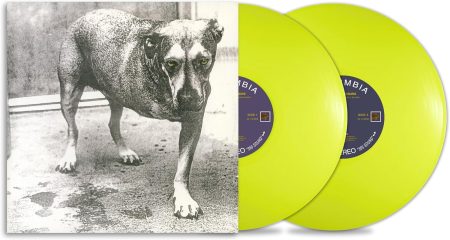
Alice in Chains Grind was the first thing audiences heard when they pressed play on the band’s 1995 self-titled record, widely known as the Dog Album.
That opening placement was not accidental: the song’s slow, descending riff was a statement that the gentler textures of Jar of Flies had served their purpose and the band was returning to something heavier.
The self-titled album was released November 7, 1995, and debuted at number one on the Billboard 200.
The complete story of how the band arrived at that point, across every lineup and era, is in the Alice in Chains complete member story.
Grind set the tone for an album that felt like the final statement of a group that understood, on some level, they were running out of time.
The Self-Titled Album and the Weight of 1995
The Alice in Chains self-titled album arrived at a complicated moment in rock history.
Grunge as a commercial force was fading by late 1995: the genre’s dominance had loosened after April 1994, and the rock landscape was fracturing in several directions at once.
Alice in Chains Grind and the album surrounding it felt less like a bid for radio dominance and more like the band finishing a statement that had to be made regardless of what the market was doing.
Production, handled by Toby Wright alongside the band, kept the sound dense and uncompromising from the opening riff to the final track.
No effort was made to smooth the edges or make the record more accessible than the songs themselves required.
Jerry Cantrell’s Riff and the Slow Crush of Sound
Cantrell built the song on a descending riff that moves at a pace designed to feel like weight accumulating rather than energy being released.
By 1995, he had established himself as one of rock’s most distinctive guitar voices, and Alice in Chains Grind represents that voice at its most deliberately oppressive.
The guitar tone on the track is thick and downtuned, placing it in a different sonic register from the heavier moments on Dirt without losing any of that record’s darkness.
Where songs like Angry Chair had used distortion as a weapon to be swung, this song used it as a slow pressure applied steadily until it became impossible to ignore.
The riff does not resolve into release: it stays in its groove and grinds, which is exactly what the title promises from the first second.
Alice in Chains Grind Lyrics: What the Song Is About
Alice in Chains Grind carries lyrics that sit in the space between exhaustion and defiance, describing the act of continuing to function when everything inside you has worn down to almost nothing.
Staley’s delivery on the track is low-register and deliberate, matching the pace of the riff rather than pulling against it.
The song describes something anyone familiar with the band’s story at that point could read as a direct account of what daily life had become for Staley by 1995.
The emotional terrain shares ground with the long, deliberate suffering that runs through Would? and the quiet surrender of Nutshell, though Grind approaches it from a heavier and more physically grinding direction.
Where those songs withdrew into acoustic restraint, this one plants itself in the distortion and refuses to move.
Recording the Album Around Layne Staley’s Condition
By 1995, recording with Layne Staley had become a significant logistical and emotional challenge for everyone involved in the sessions.
His heroin addiction had reached a stage that made sustained studio work difficult, and the album was constructed in fragments around his availability and condition on any given day.
Toby Wright has spoken about the care required to capture Staley’s performances, moving quickly when he was present and capable, then pausing to wait when he was not.
The I Stay Away era had shown what the band could produce at their most acoustic and gentle: the 1995 album showed they could hold together under entirely different and heavier pressure.
The performances Staley delivered on the record, including the opening vocal on Alice in Chains Grind, remain some of the most striking of his career precisely because of the circumstances under which they were made.
Alice in Chains Grind Hits Number One
Alice in Chains Grind was released as the lead single from the self-titled album and reached number one on the Mainstream Rock chart.
The chart success was a clear signal that the band’s audience had waited through the acoustic period and was ready for whatever direction came next.
Radio programmers who had built their 1991 rotation around Man in the Box were now playing something measurably slower and more worn down, and it performed just as well at the top of the chart.
The run confirmed that Alice in Chains did not need to chase a shifting trend to maintain their commercial position: they only needed to finish the album they were already making.
That kind of audience loyalty in the middle of a changing rock landscape says something precise about the depth of the connection the band had built since 1990.
Mark Pellington and the Music Video
Director Mark Pellington, who had worked with Alice in Chains on earlier videos including the haunting puppet imagery of I Stay Away, shot the clip for Grind.
His approach to the band’s visuals consistently matched the emotional register of the songs rather than softening or explaining them for a general audience.
The Grind video reflected the song’s slow accumulation of pressure, building images that occupied the same headspace as the riff without attempting to decorate it.
It received rotation on MTV at a moment when the network’s rock programming was under increasing competition from pop and hip-hop for prime scheduling slots.
The video’s MTV presence contributed to the single’s commercial profile across the months that followed the album’s November 1995 release.
The Self-Titled Album: A Different Kind of Heavy
Alice in Chains Grind sits at the front of an album that approaches heaviness differently from Dirt.
Where Dirt was dense with raw aggression and imagery of physical decay, the 1995 record feels slower and more worn, as if the anger had not disappeared but the energy required to sustain it had diminished significantly.
The period of No Excuses and the Jar of Flies era had shown the band’s acoustic side operating at full strength: the 1995 album brought them back to electric guitars without reverting to the attack of 1992.
The result felt like a band at the far end of a long road, playing out the final notes of a chapter they had been writing since Rooster appeared on Dirt.
Alice in Chains had always operated outside the louder conventions of the genre, and the 1995 record was perhaps the clearest statement of that independence they ever made.
Alice in Chains Grind at the End of the Grunge Era
Alice in Chains Grind arrived in a rock landscape that was already shifting around it and would shift further within months of the album’s release.
By November 1995, Britpop had taken much of the cultural space that grunge had occupied on the other side of the Atlantic, and American alternative rock was diversifying in directions that had little to do with Seattle.
A song as deliberately slow and heavy as this one had no interest in adapting to those shifts, and it did not need to: it debuted at number one and held its position.
The Down in a Hole era had shown the band at their most melancholic: Alice in Chains Grind proved they could still go in the opposite direction with the same authority and conviction.
The song marked the last time a new Alice in Chains studio recording with Layne Staley would reach the top of the rock charts.
Legacy and What Came After
The 1995 self-titled album is the last studio record Alice in Chains made with Layne Staley, and Alice in Chains Grind is its opening statement.
Staley died in April 2002, and the band did not release another studio album until 2009, when they returned with William DuVall as lead vocalist.
The song has remained in setlists across both eras of the band, a reminder that the hardest and most deliberate recordings do not require updating to hold their place in the catalog.
Thirty years on from its release, Alice in Chains Grind still sounds like a band bearing the full weight of everything they had been through, unwilling to look away from any of it.