Alice in Chains Again appeared as the third single from the 1995 self-titled album and hit radio in early 1996 with a riff heavy enough to silence any remaining doubt about where the band stood.
The song earned a Grammy nomination, an MTV VMA nomination, and the distinction of being the last music video Layne Staley would ever film with Alice in Chains.
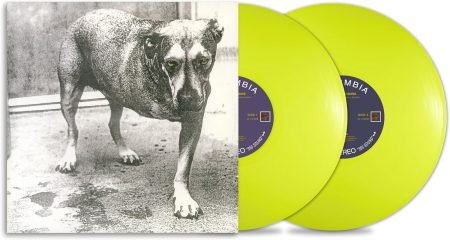
Affiliate Disclosure: As an Amazon Associate I earn from qualifying purchases. This helps support the site at no extra cost to you.
Quick Navigation
- Alice in Chains Again: The Third Strike From the Dog Album
- Three Singles, Three Sides of the Same Album
- Layne Staley Writes the Lyrics on Again
- Alice in Chains Again Lyrics: Addiction Without Apology
- Jerry Cantrell’s Riff and the Song’s Relentless Drive
- Alice in Chains Again Charts and Earns a Grammy Nomination
- Staley Co-Directs His Final Music Video
- The MTV VMA Nomination and Rock’s Last Grunge Moment
- Alice in Chains Again in the Band’s Closing Chapter
- Legacy: Greatest Hits and the Essential Catalog
Alice in Chains Again: The Third Strike From the Dog Album
Alice in Chains Again followed Grind and Heaven Beside You as the third single from the self-titled record, completing a run of three commercially distinct sides of the same album.
Where Grind had crushed with slow, relentless weight and Heaven Beside You had opened up with Cantrell’s melodic lead vocal, this song returned to something more direct and physically demanding.
The self-titled album had debuted at number one on the Billboard 200 in November 1995, and each successive single extended its presence on rock radio through the winter and spring of 1996.
The complete story of how the band arrived at this album, and every creative decision that preceded it, is in the Alice in Chains complete member story.
Alice in Chains Again gave the album a third identity in rock radio rotation: the heavy, uncompromising closer to a remarkable commercial run.
Three Singles, Three Sides of the Same Album
The sequencing of singles from the self-titled record told a story across the months it stayed commercially active on radio.
Grind arrived first and set a tone of slow, grinding heaviness that put the album on the map before the end of 1995.
Heaven Beside You followed in January 1996 with the album’s most melodic and personal track, reaching a different segment of the rock audience with Cantrell’s lead vocal.
Alice in Chains Again then landed in early 1996 to close out the single cycle, returning to the heavier end of the record without retreating entirely to the grinding weight of the opener.
The three singles together represented the full range of what the self-titled album contained, giving each type of listener on rock radio at least one clear point of entry into the record.
Layne Staley Writes the Lyrics on Again
One of the most notable creative facts about the song is that the lyrics were written by Layne Staley rather than Jerry Cantrell.
Cantrell composed the music, as he did on the vast majority of the band’s recorded output, but the words came entirely from Staley on this particular track.
Cantrell and Staley had a long-established creative division, but Staley writing a complete set of lyrics for a major commercial single was less common in their catalog than it might appear.
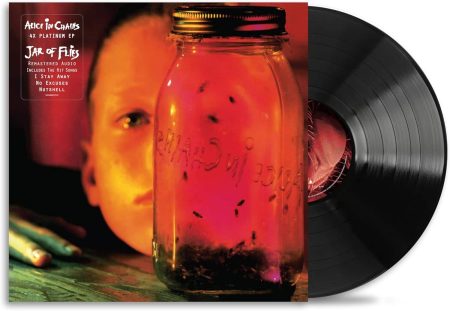
The result sits in the same emotional territory Staley occupied on Nutshell and across the Jar of Flies period, brought back into a heavier electric arrangement that suits his delivery differently.
The combination of Cantrell’s physically demanding riff and Staley’s introspective words gave the song two layers that work in productive contrast throughout its running time.
Alice in Chains Again Lyrics: Addiction Without Apology
Alice in Chains Again carries lyrics that deal with the cyclical pull of addiction, the returning compulsion that the title names directly and without euphemism.
The word “again” functions as both the song’s title and its central idea: the repetition of a destructive pattern despite the damage it causes with each return.
Staley’s delivery on the track is raw and controlled at once, matching the physicality of the riff without losing the precision of the words underneath it.
The emotional honesty in lines about returning to the same destruction sits alongside earlier Staley writing in tracks like Angry Chair, though the heavy arrangement here makes the theme feel more present and less internal.
By 1996, rock audiences hearing Alice in Chains Again on radio understood, even without an interview context, that they were listening to something autobiographical rather than performed.
Jerry Cantrell’s Riff and the Song’s Relentless Drive
The guitar work on Alice in Chains Again reflects Cantrell at his most direct and least interested in melodic accommodation.
The main riff drives forward with a momentum that does not pause or pivot toward the more reflective territory he explored on Heaven Beside You.
Recorded at Bad Animals Studio in Seattle across sessions from April through August 1995, the track received the same production treatment as the rest of the album: Toby Wright working alongside the band throughout.
Wright’s production keeps the low end heavy and the guitar tone present without burying Staley’s vocal, which sits forward in the mix and demands attention throughout.
The balance gives the song its tension: a physically demanding arrangement underneath a performance that rewards you for listening to what is actually being said inside it.
Alice in Chains Again Charts and Earns a Grammy Nomination
Alice in Chains Again reached number eight on the Mainstream Rock chart, adding another successful single to an album that had already placed two tracks higher up the same chart.
The Grammy nomination for Best Hard Rock Performance in 1997 confirmed that the wider music industry had taken the song seriously as a piece of craft, not merely as a commercial product.
The nomination placed the band alongside the heaviest and most critically regarded rock acts of the mid-1990s at the height of the format’s awards recognition.
Rock programmers who had rotated Man in the Box in 1991 as the band’s hard rock calling card were now rewarding music that came from a much darker and more exhausted place five years on.
The chart run and award recognition together confirmed that Alice in Chains had held their core audience through a period of considerable personal difficulty and significant commercial change.
Staley Co-Directs His Final Music Video
The music video for Again was directed by George Vale, with Layne Staley serving as co-director alongside him, an arrangement that gave Staley a creative investment in the clip beyond his performance.
The Again video was released in March 1996 and stands as the last music video Layne Staley would ever film with Alice in Chains.
That finality was not known at the time of filming, but it gives the footage a weight that becomes impossible to ignore once you understand what it represents.
Staley’s role as co-director suggests a man still engaged with the creative process and invested in how his performances were presented to the audience watching at home.
Looking back at the footage now, knowing it was the last time, turns what was produced as a commercial rock video into something that feels much closer to a document.
The MTV VMA Nomination and Rock’s Last Grunge Moment
Alice in Chains Again received a nomination for Best Hard Rock Video at the 1996 MTV Video Music Awards, placing it among the most recognized rock clips of that calendar year.
By 1996, the VMAs were reflecting a music landscape that had shifted considerably since grunge’s commercial peak, and rock nominations carried a different kind of weight in that changed context.
The nomination confirmed that the video had connected with the network’s audience at a level that put it in direct competition with the strongest rock work released in 1996.
Alice in Chains received that recognition at a moment when the band’s ability to continue making new work was already under serious question behind the scenes.
In that context, the VMA nomination functioned as both a measure of the song’s quality and a farewell gesture from an industry saying goodbye to a particular and unrepeatable era of rock.
Alice in Chains Again in the Band’s Closing Chapter
Alice in Chains Again appeared at a moment when the band’s ability to continue as an active unit was increasingly precarious behind the scenes.
The sessions for the self-titled album had been difficult, constructed around Staley’s availability, and the tour activity that normally followed a major release did not materialize at the same level.
The acoustic honesty of No Excuses and the quiet weight of Would? had already shown listeners what was underneath: this song delivered the same truth through volume and aggression instead of restraint.
By the time Alice in Chains Again was receiving Grammy and VMA nominations through 1996 and 1997, the band had effectively stopped functioning as a touring and recording unit.
The song became part of a catalog already being assessed retrospectively rather than built forward, even as neither the band nor its audience fully acknowledged that at the time.
Legacy: Greatest Hits and the Essential Catalog
Again was included on the 1999 compilation Nothing Safe: Best of the Box, then on the 2001 Greatest Hits and the 2006 Essential Alice in Chains package.
That consistent placement across more than a decade of compilations confirmed the song’s status as one of the defining tracks of the self-titled period, not a deep cut or an afterthought.
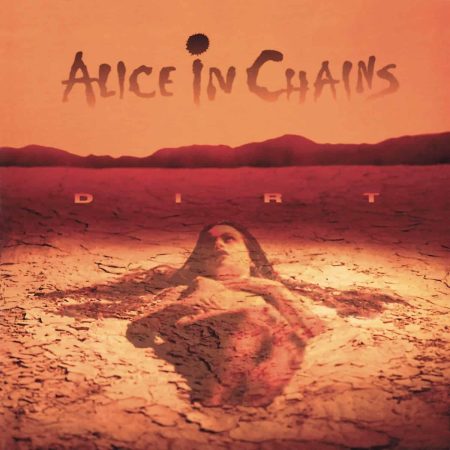
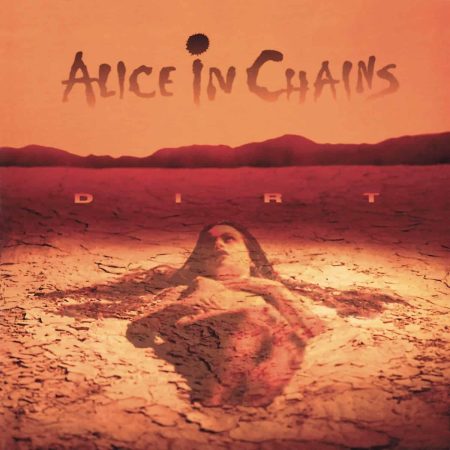
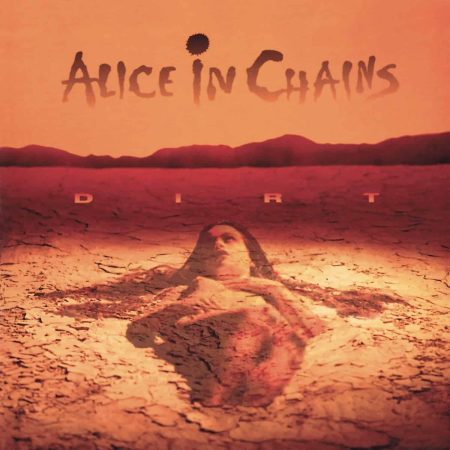
The song sits alongside the melodic catalog of Down in a Hole and the grinding weight across Dirt, showing a range that Alice in Chains maintained consistently through every phase of their work with Layne Staley.
Thirty years on from its release, Alice in Chains Again still carries the full weight of the moment it came from: a band making the best work they could in the time they had left.