

Jerry Cantrell I Want Blood represents a powerful return to the heavy, uncompromising sound that defined the Alice in Chains guitarist’s most celebrated work.
Released in 2024, this fourth solo album finds Cantrell channeling decades of experience into a collection of songs that balance crushing riffs with melodic sophistication.
The album marks a significant departure from the more introspective approach of Brighten (2021), embracing a darker, more aggressive sonic palette.
Cantrell assembled an impressive roster of collaborators for this project, bringing together musicians who understand the weight and dynamics required for his vision.
The result is an album that feels both familiar and fresh, honoring his legacy while pushing into new creative territory.
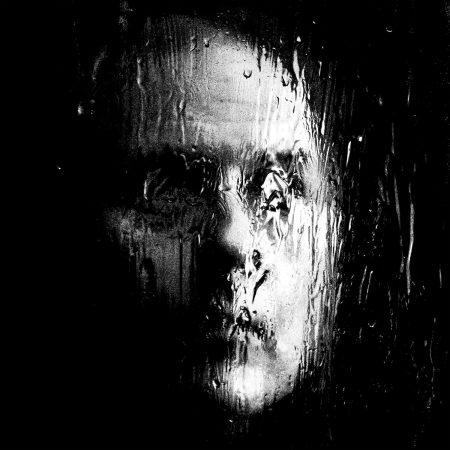
Jerry Cantrell I Want Blood – Available on Amazon
Get Jerry Cantrell I Want Blood (2024) on Amazon
Affiliate Disclosure: I am an Amazon affiliate and if you purchase through any Amazon links on this site I may earn a small commission at no extra charge to you. This helps support classicrockartists.com. Thank you for your support!
Table of Contents
Overview of Jerry Cantrell I Want Blood
Jerry Cantrell I Want Blood stands as a testament to the guitarist’s enduring ability to craft heavy, emotionally resonant rock music.
The album features nine tracks that showcase Cantrell’s signature guitar tone and compositional prowess.
Unlike his previous solo efforts, this record embraces a more collaborative approach to the creative process.
Cantrell recruited Duff McKagan of Guns N’ Roses fame to handle bass duties throughout the album.
The drumming responsibilities were shared between Gil Sharone and Mike Bordin, each bringing their distinct style to different tracks.
Robert Trujillo of Metallica also contributes bass on select songs, adding another layer of heavy metal credibility.
The album’s sonic landscape draws heavily from the sludgy, down-tuned aesthetic that characterized Alice in Chains Dirt (1992).
Cantrell’s vocal performance throughout the record demonstrates his growth as a singer since his early solo work.
His voice carries a weathered quality that perfectly complements the album’s themes of struggle and perseverance.
The production maintains a raw edge while ensuring every instrument occupies its proper space in the mix.
Thematically, the album explores darkness, redemption, and the ongoing battle with inner demons.
These subjects have long been central to Cantrell’s songwriting, dating back to his earliest compositions.
Recording History and Production
The recording sessions for Jerry Cantrell I Want Blood took place across multiple studios in 2023 and early 2024.
Cantrell worked with producer Joe Barresi, known for his work with Tool, Queens of the Stone Age, and Soundgarden.
Barresi’s approach emphasized capturing live performances rather than relying on extensive overdubbing.
This methodology gave the album an organic feel that distinguishes it from more polished modern rock productions.
The decision to work with multiple bass players and drummers was intentional, allowing each song to find its ideal rhythm section.
Cantrell has stated in interviews that he wanted each track to have its own distinct personality.
The guitar tones were achieved using Cantrell’s signature G&L Rampage guitars through a combination of vintage and modern amplifiers.
His preference for thick, saturated distortion remains evident throughout the album’s runtime.
According to Wikipedia, the album represents Cantrell’s most collaborative solo effort to date.
The recording process allowed for spontaneous moments that made it onto the final mixes.
Barresi encouraged the musicians to embrace imperfections that added character to the performances.
Vocal tracking occurred after the instrumental foundations were solidly established.
Cantrell layered harmonies in his distinctive style, creating the haunting vocal textures fans expect from his work.
The mixing process focused on maintaining dynamics rather than compressing everything to maximum loudness.
This approach gives the album breathing room and allows quieter moments to create contrast with the heavier sections.
Track-by-Track Highlights of Jerry Cantrell I Want Blood
The album opens with “Vilified,” a punishing track that immediately establishes the record’s aggressive tone.
The song features some of Cantrell’s heaviest riffing since Degradation Trip.
Duff McKagan’s bass work on this track provides a solid foundation for Cantrell’s guitar assault.
“Off the Rails” follows with a slightly more mid-tempo approach, showcasing melodic sensibilities within a heavy framework.
The chorus demonstrates Cantrell’s gift for crafting memorable hooks without sacrificing intensity.
“Afterglow” serves as the album’s first single and represents one of its most accessible moments.
The track balances commercial appeal with the uncompromising heaviness that defines the rest of the album.
Mike Bordin’s drumming on this song adds a distinctive groove that sets it apart from the other tracks.
“I Want Blood,” the title track, arrives at the album’s midpoint with maximum aggression.
Robert Trujillo’s bass contribution here adds a particularly menacing low-end presence.
The song’s lyrics explore themes of vengeance and retribution with unflinching directness.
“Echoes of Laughter” provides a brief respite with its more introspective arrangement.
This track recalls the acoustic moments found on Alice in Chains Jar of Flies (1994).
The stripped-down instrumentation allows Cantrell’s vocal performance to take center stage.
“Throw Me a Line” returns to heavier territory with a grinding, relentless riff.
The song builds tension throughout its runtime before exploding in a cathartic final chorus.
“Let It Lie” features some of the album’s most complex guitar work, with multiple layers creating a dense sonic tapestry.
Gil Sharone’s drumming on this track demonstrates his technical prowess while serving the song’s needs.
“Held Your Tongue” explores mid-paced groove territory with a hypnotic quality.
The repetitive riff structure creates a trance-like effect that draws listeners deeper into the song’s atmosphere.
The album closes with “It Comes,” a seven-minute epic that showcases all of Cantrell’s strengths as a composer.
The song moves through multiple sections, building from quiet introspection to crushing heaviness.
This finale provides a satisfying conclusion to the album’s emotional journey.
Chart Performance of Jerry Cantrell I Want Blood
Jerry Cantrell I Want Blood debuted at number 37 on the Billboard 200 chart upon its release.
The album performed particularly well on the Hard Rock Albums chart, reaching the top five.
First-week sales exceeded expectations, demonstrating Cantrell’s enduring appeal among rock audiences.
The lead single “Afterglow” received significant airplay on rock radio stations across North America.
It peaked at number 12 on the Mainstream Rock chart, becoming Cantrell’s highest-charting solo single in over a decade.
Streaming numbers for the album showed strong engagement, particularly among listeners aged 25-44.
International performance was solid, with the album charting in several European countries.
Germany and the United Kingdom showed particularly strong support for the release.
The album’s vinyl pressing sold out quickly, necessitating additional manufacturing runs.
This demonstrated the continued importance of physical media among Cantrell’s fanbase.
Critical reception was overwhelmingly positive, with many reviewers praising the album’s uncompromising heaviness.
Several publications included it in their year-end lists of best rock albums.
The album’s commercial performance exceeded that of Brighten, suggesting renewed interest in Cantrell’s heavier material.
Legacy and Cultural Impact
Jerry Cantrell I Want Blood reinforces the guitarist’s position as one of rock’s most consistent creative forces.
The album demonstrates that heavy rock music can still find an audience in the modern streaming era.
Younger musicians have cited the record as an influence, appreciating its refusal to chase contemporary trends.
The collaboration with high-profile musicians from other legendary bands created significant buzz within the rock community.
Fans have drawn connections between this album and the classic Alice in Chains sound that defined the grunge era.
The record serves as a reminder of Cantrell’s contributions to that movement and his ongoing relevance.
Live performances of material from the album have been met with enthusiastic responses from audiences.
Cantrell assembled a touring band capable of reproducing the album’s heavy sound in concert settings.
The official music video for the title track has accumulated millions of views.
The visual presentation complements the song’s aggressive tone with stark, powerful imagery.
The album has sparked discussions about the continued vitality of guitar-driven rock music.
Some critics view it as evidence that the genre remains creatively vibrant despite industry challenges.
The record’s success may encourage other veteran rockers to pursue similarly uncompromising artistic visions.
Cantrell’s willingness to embrace heaviness rather than soften his sound has earned respect from metal and hard rock communities.
Listener’s Note
When I first heard this album, I was immediately struck by how unapologetically heavy it sounds.
There’s no attempt to modernize the production or incorporate trendy elements.
Instead, Cantrell leans into what he does best: crafting massive riffs and haunting melodies.
The opening track hit me like a freight train, and the intensity rarely lets up.
What impressed me most was how the album maintains its energy across all nine tracks.
Even the quieter moments feel purposeful rather than like filler material.
I found myself returning to “I Want Blood” repeatedly, drawn to its raw aggression.
The title track captures something primal that much modern rock music lacks.
Listening to this album reminded me why I fell in love with heavy music in the first place.
It’s refreshing to hear an artist of Cantrell’s stature refusing to compromise his vision.
The album works equally well as background music and as an active listening experience.
I recommend experiencing it on vinyl if possible, as the format suits the album’s analog warmth.
This record has earned a permanent place in my regular rotation.
Affiliate Disclosure: I am an Amazon affiliate and if you purchase through any Amazon links on this site I may earn a small commission at no extra charge to you. This helps support classicrockartists.com and allows me to keep providing deep-dive content on the legends of rock. Thank you for your support!
Collector’s Corner
Jerry Cantrell I Want Blood is available in multiple formats for collectors and fans.
The standard black vinyl pressing features excellent sound quality that showcases the album’s dynamic range.
Limited edition colored vinyl variants were released through select retailers and sold out rapidly.
The CD version includes a booklet with lyrics and credits, along with striking photography.
Digital versions are available through all major streaming platforms and download services.
For the ultimate listening experience, the vinyl format is highly recommended.
The album’s heavy low-end and guitar textures benefit from the warmth of analog playback.
Purchase Jerry Cantrell I Want Blood on Amazon to add this essential release to your collection.
The album makes an excellent addition to any collection focused on modern heavy rock.
It pairs particularly well with Cantrell’s earlier solo work and Alice in Chains albums.
FAQ About Jerry Cantrell I Want Blood
When was Jerry Cantrell I Want Blood released?
Jerry Cantrell I Want Blood was released in 2024.
It marks Cantrell’s fourth solo studio album.
The release came three years after his previous solo effort, Brighten.
Who plays bass on Jerry Cantrell I Want Blood?
Duff McKagan of Guns N’ Roses plays bass on most tracks.
Robert Trujillo of Metallica contributes bass to select songs.
This collaborative approach gives different tracks distinct sonic characteristics.
What is the heaviest song on Jerry Cantrell I Want Blood?
Many fans consider the title track “I Want Blood” to be the album’s heaviest moment.
“Vilified” also ranks among the most aggressive songs Cantrell has ever recorded.
Both tracks showcase his ability to craft punishing riffs without sacrificing melody.
How does Jerry Cantrell I Want Blood compare to his earlier solo albums?
This album is significantly heavier than Brighten and more focused than Boggy Depot (1998).
It shares the dark intensity of Degradation Trip while featuring more polished production.
The album represents a synthesis of everything Cantrell has learned across his solo career.
You Might Also Like
Jerry Cantrell Degradation Trip (2002)
Explore Cantrell’s darkest and most ambitious solo work, a double album that showcases his songwriting at its most uncompromising.
Alice in Chains Rooster: Jerry Cantrell’s Letter to His Father
Discover the story behind one of Cantrell’s most personal and powerful compositions, a tribute to his father’s Vietnam experience.
Alice in Chains Heaven Beside You (1995)
Examine this guitar showcase that demonstrates Cantrell’s ability to blend heavy riffs with melodic sensibility.
Jerry Cantrell I Want Blood stands as a powerful statement from one of rock’s most enduring voices, proving that heavy music still has plenty to say in the modern era.